
Plants
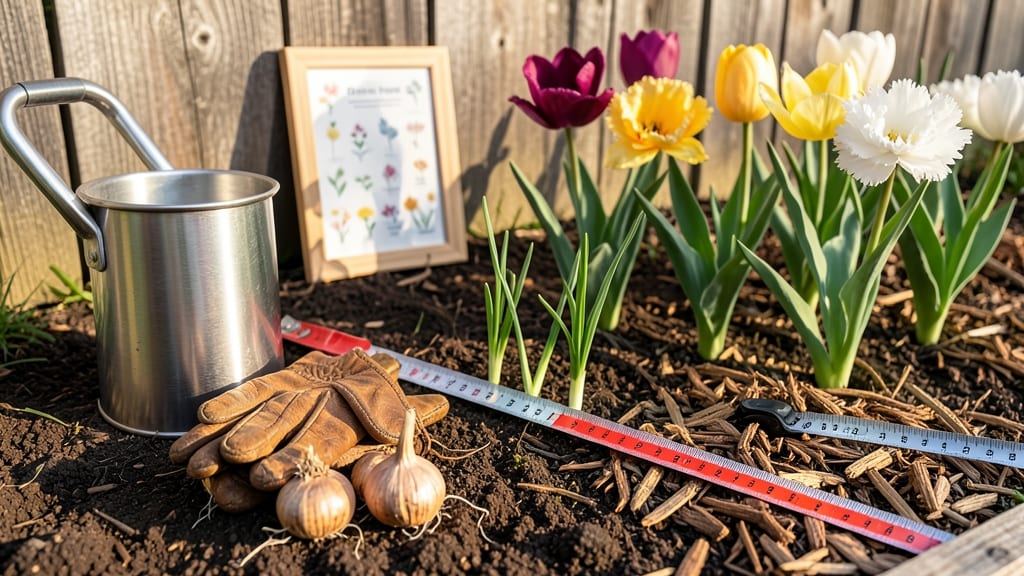
Planting tulips in Tennessee at the wrong time can mean weak blooms or bulbs that never return—especially in Heat Zones 7a/7b where winters are mild but frost still lingers.
The key to vibrant 🌷 tulips next spring lies in timing your bulbs 4-6 weeks before the ground freezes, usually between mid-October and December.
Unlike cooler climates, Tennessee’s unpredictable frost dates make this window critical. Skip the guesswork with a heat-zone-specific timeline that accounts for early freezes or late warm spells—both of which can sabotage your tulips before they even sprout.
In this guide, I’ll break down the exact month-by-month planting schedule for Tennessee, plus soil prep tricks to shield your bulbs from frost. Whether you’re a first-time gardener or a veteran, these steps will ensure your tulips thrive year after year.
Ready to transform your garden into a springtime spectacle? Let’s get those bulbs in the ground the right way—before the first frost hits.
Optimal tulip planting timeline for Tennessee’s heat zones 7a/7b
Tennessee’s Heat Zones 7a/7b create a unique challenge for tulip growers. Unlike colder regions, our mild winters and variable frost dates demand precise timing to ensure bulbs establish roots before winter sets in.
Plant too early, and they’ll rot; too late, and frost will damage them. The key is planting 4-6 weeks before the ground freezes, typically between mid-October and early December.
For Zone 7a (average 0-5°F winters), aim for October 15-November 15. In Zone 7b (average 5-10°F winters), extend your window to November 1-December 1. This timing lets bulbs develop strong root systems before winter dormancy.
Always check your local frost calendar—Tennessee’s microclimates can vary by 1-2 weeks even within cities.
📋 SUMMARY TABLE: Tennessee Tulip Planting Timeline
| Zone | Ideal Planting Window | Frost Risk | Soil Temp | Notes |
|---|---|---|---|---|
| 7a | October 15 – November 15 | High (first frost: Oct 15-Nov 1) | 50-60°F | Use cold-hardy varieties (Darwin Hybrids). |
| 7b | November 1 – December 1 | Moderate (first frost: Nov 1-Nov 15) | 55-65°F | Plant deeper (8 inches) for insulation. |
| Both | Spring (Jan-Feb) | Low (emerges after frost) | 40-50°F | Weaker blooms; reserve for late-season varieties. |
Spring planting (January-February) is possible but risky in Tennessee. While tulip bulbs can survive mild winters, they’ll produce smaller, weaker blooms because they lack the root development of fall-planted bulbs.
If you must plant in spring, choose early-blooming varieties like Fosteriana or Greigii, which tolerate warmer soils better. However, fall planting remains the gold standard for vibrant, long-lasting tulips.
Adjust your timeline if Tennessee’s weather throws curveballs. An early frost in October? Plant earlier (even September) if soil temps stay above 50°F. A mild November? Hold off until late November to avoid rot.
Use a soil thermometer to confirm temps—60°F is ideal for root growth before dormancy. Pro tip: Plant 1-2 weeks earlier in mountain regions (e.g., East Tennessee) where frosts arrive sooner.
Don’t overlook soil preparation—Tennessee’s clay-heavy soils in many areas can suffocate bulbs. Amend with compost or sand to improve drainage, and plant in well-draining beds or raised areas.
A 2-inch layer of mulch after planting insulates bulbs and retains moisture. This is especially critical in Zone 7a, where winters can still dip below 10°F.
For container gardening, follow the same timeline but use larger pots (12+ inches deep) to accommodate roots. Place containers in protected spots (e.g., against a south-facing wall) to shield bulbs from winter winds.
If you’re in a warmer microclimate (e.g., Nashville’s urban heat islands), plant 1-2 weeks later than rural areas—heat lingers longer in cities, delaying frost.
What if you miss the fall window? Don’t panic—tulip bulbs can be stored in a cool, dark place (32-40°F) until next fall. Keep them in paper sleeves (not plastic) to prevent rot.
Label varieties and replant by December 1 at the latest. Remember: bulbs need chill hours to bloom, so storing them too warm (above 50°F) will result in no flowers the following spring.
Finally, mark your calendar for spring cleanup. Once tulips finish blooming, leave foliage until it yellows—this feeds the bulb for next year’s flowers. In Tennessee’s humid climate, deadhead spent blooms to prevent seed production, which weakens bulbs.
Fertilize lightly in early spring with a balanced bulb food (5-10-10) to encourage robust growth before the next planting season.
With Tennessee’s unpredictable weather, flexibility is key. Stay ahead of frost dates, amend your soil, and choose
How to choose the best tulip varieties for Tennessee’s climate
Tennessee’s Heat Zones 7a/7b bring mild winters that can trick gardeners into planting the wrong 🌷 tulip varieties. Some bulbs freeze back, while others flop in summer heat. The key? Picking cold-hardy varieties that thrive in Tennessee’s 50-70°F winters and hot summers without wilting.
Not all tulips are created equal—Darwin Hybrids and Fosteriana stand out for their resilience. These varieties bloom later, avoiding Tennessee’s unpredictable spring freezes, and their sturdy stems handle summer humidity better than delicate Parrot tulips.
Here’s how to match your garden’s conditions with the perfect tulip types. The right choice means fewer weak stems, more vibrant blooms, and bulbs that return year after year.
🌱 Comparison Table: Best Tulip Varieties for Tennessee
| Variety | Cold Hardiness (Zone) | Bloom Time | Height (ft) | Tennessee Fit |
|---|---|---|---|---|
| Darwin Hybrid | 4-8 | Mid-April to May | 1.5-2.5 | ✅ Best for heat, late blooms |
| Fosteriana | 3-8 | Early April | 2-2.5 | ✅ Early blooms, frost-resistant |
| Parrot Tulip | 5-8 | Late April | 1.5-2 | ⚠️ Needs summer shade |
| Greigii | 3-8 | Early April | 1-1.5 | ✅ Drought-tolerant, early blooms |
| Dwarf Gem | 4-8 | Late April | 0.5-1 | ✅ Container-friendly, low-maintenance |
For Tennessee’s climate, Darwin Hybrids and Fosteriana are my top picks—they handle heat and humidity better than most. Their late blooms also avoid spring freezes that can damage delicate stems. If you love early color, Greigii tulips bloom in April and thrive in Tennessee’s Zone 7a/7b.
Avoid Parrot tulips unless you’re willing to provide afternoon shade—they wilt faster in Tennessee’s summer heat. Instead, opt for Dwarf Gem varieties if you’re planting in containers or small garden beds. These stay compact and bloom reliably year after year.
Pro tip: Mix early bloomers like Fosteriana with late bloomers like Darwin Hybrids for a continuous spring show. Just remember—plant them all in well-draining soil and full sun to prevent rot and ensure strong stems.