
Plants
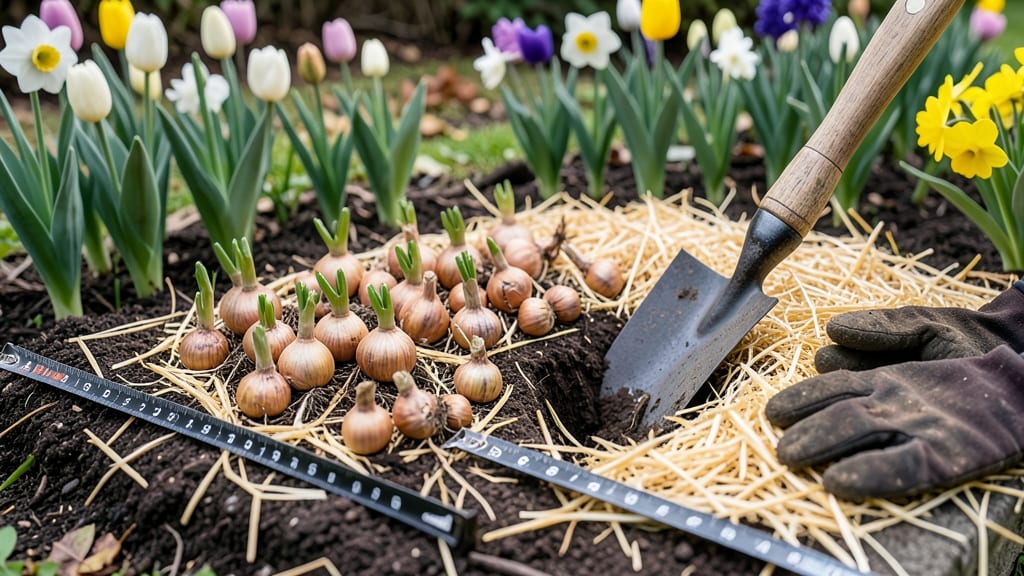
Planting your 🌷 Spring Flowering Bulbs at the wrong time in New England can turn your garden dreams into a frozen disappointment—but getting the timing right is easier than you think.
Most gardeners in zones 5a-6b know fall is the season for bulbs, but the exact window matters more than you’d expect. Whether you’re in coastal Maine or inland Vermont, the 6-8 week rule before the ground freezes is your golden ticket to vibrant blooms next spring.
I’ll show you exactly when to plant in New England’s tricky climate, how to read your soil’s signals, and even how to push the deadline if you’re late to the game. No more guessing—just science-backed timing for zero-frost success.
Ready to transform your yard into a springtime spectacle? Let’s dive into the perfect planting schedule for your region.
New England bulb planting zones: when to plant by region and microclimate
New England’s diverse climate—from coastal Maine to inland Vermont—means bulb planting deadlines vary by just weeks. Whether you’re in USDA Zone 3 (northern New Hampshire) or Zone 7 (southern Connecticut), timing depends on frost dates, soil temperature, and even elevation shifts.
Miss the window, and your tulips or daffodils may never bloom—or worse, rot before winter sets in.
Most gardeners focus on calendar months, but microclimates (like coastal warmth vs. inland cold snaps) can shift planting by 2–4 weeks.
For example, Portland, ME (Zone 5) might see first frost by October 15, while Hartford, CT (Zone 6) holds off until November 1. Elevation adds another layer: a mountaintop garden in Vermont could freeze 3 weeks earlier than a valley below.
Here’s the golden rule: Plant spring-flowering bulbs (like tulips and daffodils) 6–8 weeks before the ground freezes, and fall-planted bulbs (like hyacinths and crocuses) 4–6 weeks before first frost. But don’t guess—use local frost averages and soil thermometers to fine-tune your schedule.
🌱
Inland: Sep 15–Oct 15
Mountains: Aug 30–Sep 15
Boston: Sep 25–Oct 25
Inland: Sep 30–Oct 20
For spring-flowering bulbs (like tulips and daffodils), the fall planting window is your best bet. These bulbs need 6–8 weeks of cool soil before winter to establish roots.
In Zone 3, that means late August to mid-October, while Zone 7 gardeners can wait until early November. Hyacinths and
5 Critical signs your New England soil is ready for bulb planting (and when to wait)
New England’s unpredictable fall weather can turn even the most eager gardener into a second-guesser. While the 6-8 week rule before frost is your baseline, your soil tells the real story.
I’ve learned the hard way—planting too early in warm, residual-heat soil can stunt root growth, while waiting too long risks frozen bulbs. The key? Reading your soil’s temperature, moisture, and seasonal cues.
Don’t rely on the calendar alone. Instead, watch for these five critical signs that your New England soil is finally ready for bulbs—or when you should hit pause. These clues will help you adjust for unusually warm or cold years, ensuring your tulips, daffodils, and hyacinths thrive next spring.
-
Soil Temperature Drops Below 60°F
Use a soil thermometer to confirm. Most bulbs need consistent cool soil (50–60°F) to trigger root growth. If temps hover above 60°F, wait—warm soil = wasted energy for your bulbs. -
Leaf Drop Signals Autumn’s Arrival
When maple, oak, or birch leaves begin falling (usually late Sept–early Oct in most of New England), it’s your cue. This marks consistent nighttime cooling, ideal for bulb planting. -
Moisture Levels Stabilize After Summer Rains
Soil should be damp but not soggy. If it’s bone-dry, water deeply 24 hours before planting. Avoid muddy conditions—compacted soil = poor root development. -
Grass Stops Growing Actively
Observe your lawn. When grass growth slows dramatically (late Sept–Oct), it’s a sign the soil is cooling. This aligns with bulbs’ dormancy needs. -
Frost Dates Are 6–8 Weeks Away
Check your local last-frost date (e.g., Nov 15 in Boston). Plant bulbs 6–8 weeks before this date. For late summers, test for residual heat by burying a thermometer at 6" depth—if it’s above 50°F, delay planting.
If your soil still feels unseasonably warm in late October, don’t panic. Some hardy bulbs like crocuses can handle cooler soils, but tulips and daffodils need that 60°F threshold. For a quick fix, plant in shaded areas or use mulch to cool the soil faster.
Pro tip: In unusually warm years (like 2023’s delayed autumn), prioritize shallots and garlic—they’re more flexible with timing. For early bloomers like snowdrops, stick to the soil temp rule—they’re picky about cold.
When in doubt, test your soil. A $10 thermometer is your best friend. Planting bulbs at the right time isn’t just about the date—it’s about listening to your land. Your future spring blooms will thank you.