
Plants
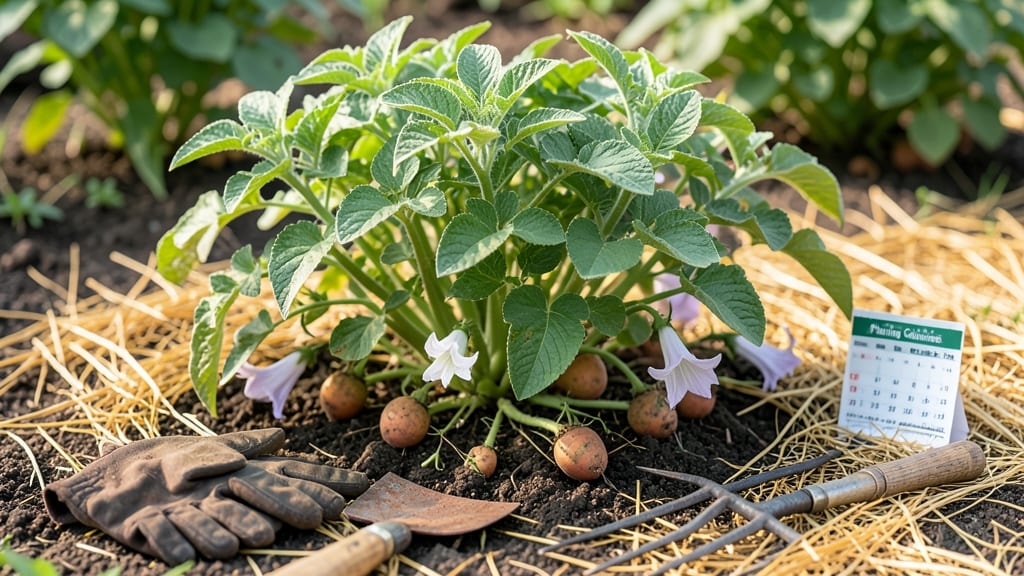
Timing when do you plant potatoes in Virginia isn’t just about the calendar—it’s about outsmarting the state’s tricky microclimates. Plant too early in the Piedmont, and frost will nip your sprouts; wait too long in the Tidewater, and your harvest shrinks.
The key? Aligning your variety with your zone’s last frost date—whether that’s mid-March in the mountains or early February near the coast.
You don’t need a degree in agriculture to get this right, but you do need to know which varieties thrive in Virginia’s 7a-8a zones—and when to tuck them into the soil.
Early plantings of Yukon Golds can start as soon as January for a June harvest, while late varieties like Kennebec wait until April to avoid blight. The difference between these windows? A 30-day jump in yield potential.
Here’s the game-changer: soil temperature matters more than air temperature. Aim for 45°F before sticking those seed potatoes 4 inches deep, and adjust for your local frost quirks.
I’ll walk you through the exact planting schedule for Virginia’s three regions, plus pro tips to stretch your season—whether you’re growing for mashed potatoes or fresh salads all summer.
Ready to turn your Virginia garden into a potato powerhouse? Let’s dive into the best months, varieties, and soil secrets that’ll have you digging up golden spuds like a local farmer—without the guesswork.
Virginia potato planting calendar by region (Tidewater vs Piedmont vs Mountains)
Virginia’s three distinct climate zones—Tidewater, Piedmont, and Mountains—create wildly different conditions for growing potatoes. In Tidewater (USDA 8a-8b), milder winters and longer growing seasons let you plant 2-3 weeks earlier than inland areas.
Meanwhile, the Mountains (USDA 7a) have shorter seasons, requiring earlier starts and cold-hardy varieties. Let’s break down the exact planting windows for each zone, including soil temperature requirements and frost date adjustments.
For all regions, aim to plant seed potatoes when soil temperatures hit 45°F (7°C)—this ensures strong root development before last frost dates. In Virginia, this typically means February-March for early varieties, with late March-April for main-season crops.
But your exact timing depends on which zone you’re in, as Tidewater gardeners can start as early as January under row covers, while Mountain growers may wait until late March to avoid frost damage.
Here’s a side-by-side comparison of planting schedules, frost dates, and soil temperature targets for Virginia’s three potato-growing regions:
| Region | USDA Zone | Last Frost Date | Ideal Planting Window | Soil Temp Requirement | Best Varieties |
|---|---|---|---|---|---|
| Tidewater | 8a-8b | March 1-15 | Jan 15 - Mar 1 (early) Mar 15 - Apr 15 (main) |
45°F (7°C) | Yukon Gold, Red LaSoda, Kennebec |
| Piedmont | 7b-8a | March 15-30 | Feb 15 - Mar 15 (early) Mar 30 - Apr 15 (main) |
45°F (7°C) | Kennebec, Red Pontiac, Fingerling |
| Mountains | 7a | April 1-15 | Mar 1 - Mar 15 (early) Apr 1 - Apr 15 (main) |
45°F (7°C) | Red LaSoda, Kennebec, Purple Viking |
In Tidewater, where winters are milder, you can start early varieties as soon as mid-January under protective covers or in a greenhouse. This gives you a 60-90 day head start on the growing season.
For main-season potatoes, aim to plant by mid-April to ensure harvests before summer heat sets in. The Yukon Gold variety thrives here due to its adaptability to warmer soils.
For Piedmont gardeners, the last frost date is typically March 15-30, so plan to plant 4-6 weeks before that date. This means late February to mid-March for early varieties like Red Pontiac, which matures in 70-90 days.
If you’re growing main-season varieties (like Kennebec), wait until late March to mid-April to avoid blight risks from prolonged humidity.
In the Mountains, where frost lingers longer, prioritize cold-hardy varieties like Red LaSoda or Purple Viking. Start planting early varieties in March and main-season crops by mid-April.
Soil temperatures in this region often lag behind Tidewater by 2-3 weeks, so use black plastic mulch to warm the soil faster. Elevation also plays a role—gardeners above 2,000 feet may need to adjust planting dates 1-2 weeks later.
Regardless of your region, soil temperature is the most critical factor for potato success. Use a soil thermometer to confirm readiness—potatoes won’t sprout reliably below 45°F (7°C). If temperatures are too cold, delay planting or use row covers to protect young shoots.
In Tidewater, you might even get two harvests per year by planting early varieties in January and late varieties in June for a fall crop.
One pro tip for all Virginia gardeners: Chit your seed potatoes (expose them to light for 2-4 weeks before planting) to jumpstart sprouting. This is especially useful in cooler Mountain zones, where slower soil warming can delay germination. Pair
Best potato varieties for Virginia gardens & their ideal planting windows
Choosing the right potato variety for Virginia’s climate is key to a bountiful harvest. The state’s USDA zones 7a-8a support both early and late varieties, but timing matters—plant Yukon Golds too late, and you’ll miss their creamy texture; Red LaSoda needs cooler soil to thrive.
Let’s break down the top 5 varieties and their perfect planting windows for Virginia gardens.
For early harvests, prioritize short-season varieties like Red Norland or Kennebec. These mature in 90-100 days and handle Virginia’s cooler springs beautifully. Plant them February-March in Tidewater or March-April in the Piedmont/Mountains. Their disease resistance also gives them an edge against Virginia’s humid summers.
Mid-season varieties like Yukon Gold and Red LaSoda are crowd-pleasers but need precise timing. Yukon Golds, with their buttery flesh, thrive when planted March-April in USDA 7a (Mountains) or April-May in USDA 8a (Tidewater). Red LaSoda, a Virginia Cooperative Extension favorite, prefers cooler soil—aim for late March in inland areas to avoid heat stress.
| Variety | Planting Window (VA) | Days to Maturity | Best For | Virginia Notes |
|---|---|---|---|---|
| Red Norland | Feb-Mar (Tidewater) Mar-Apr (Piedmont) |
90-100 | Early harvests | Disease-resistant; great for humid summers. |
| Yukon Gold | Mar-Apr (Mountains) Apr-May (Tidewater) |
100-110 | Buttery texture | Needs well-draining soil; avoid late planting. |
| Red LaSoda | Late Mar (inland) Apr (coastal) |
90-100 | Storage quality | Loves cooler soil; avoid heat stress. |
| Kennebec | Feb-Mar (all zones) | 110-120 | Long storage | Tolerates Virginia’s late frosts; plant early. |
| Adirondack Red | Mar-Apr (all zones) | 85-90 | Early harvests | Cold-hardy; ideal for Mountains. |
If you’re aiming for a fall harvest, consider late varieties like Kennebec, which can be planted as late as May in Virginia’s cooler Mountain regions. These long-season potatoes thrive with consistent moisture and even soil temperatures, making them perfect for Piedmont gardens where summers stretch long.
Pro tip: Chit your seed potatoes (sprout them indoors) 4-6 weeks before planting to jumpstart growth. This 2-3 week head start is especially helpful for Tidewater’s warmer winters, where soil warms faster. Pair this with mulching to retain moisture—Virginia’s clay-heavy soils can dry out quickly in spring.
For organic gardeners, focus on disease-resistant varieties like Red Norland or Adirondack Red. These handle Virginia’s humid summers better and require fewer fungicide treatments. Always rotate planting locations yearly to prevent soil-borne diseases like late blight, which can devastate late-season crops.