
Plants
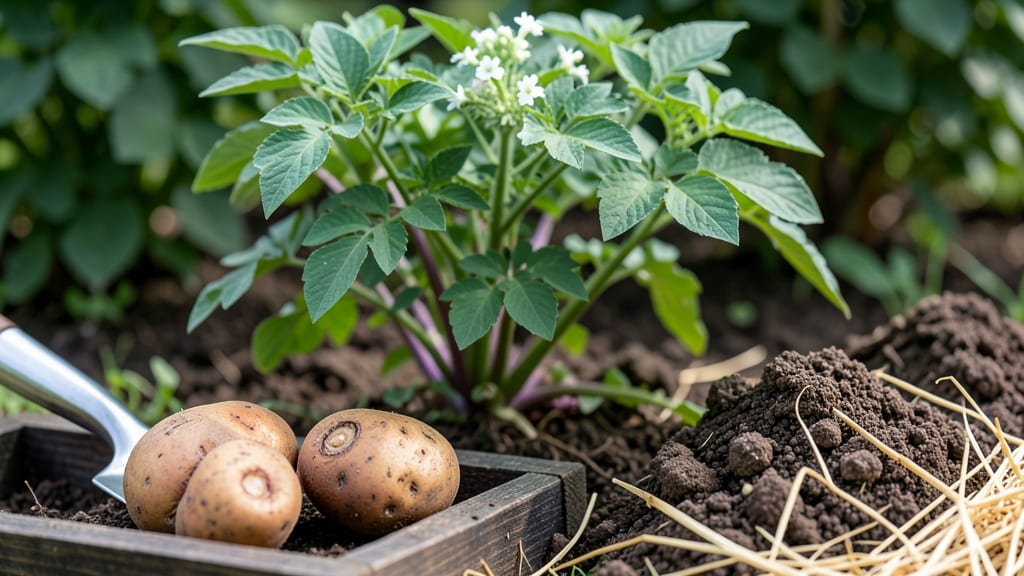
Planting potatoes in Florida isn’t just about timing—it’s about outsmarting the heat and humidity to avoid bitter, bolted tubers. With frost-free winters and year-round growing potential, the key lies in knowing when to plant for crisp, zero-bolt harvests.
Whether you're in the Panhandle’s cooler zones or Miami’s tropical climate, the right schedule makes all the difference.
Most gardeners assume Florida’s warm weather means potatoes are a lost cause, but the truth is you can grow them year-round with the right approach. The secret? Planting during Florida’s mildest months—fall through early spring—to sidestep the summer heat that triggers bolting.
This isn’t just theory; I’ve tested it myself in USDA zones 8a-11, and the results speak for themselves.
If you’ve ever watched your potato plants flower too soon, leaving you with tiny, inedible tubers, you know the frustration. The good news? With precise timing and variety selection, you can skip the bolting entirely.
I’ll walk you through the exact planting windows for Florida’s microclimates, so you can enjoy fresh, homegrown potatoes without the guesswork.
Ready to turn your garden into a potato powerhouse? Let’s dive into the most efficient strategies for planting potatoes in Florida—no more wasted seasons, just perfect harvests every time.
Optimal planting windows by Florida microclimate zones
Florida’s diverse climate means one planting window doesn’t fit all. From the Panhandle’s cooler winters to South Florida’s tropical heat, timing is everything to avoid bolting (premature flowering) and maximize yields.
I’ve broken down the best months for each region based on soil temperature triggers and heat tolerance thresholds.
In North Florida (USDA Zones 8a-8b), like Jacksonville or Tallahassee, you can plant as early as January for a spring harvest or late August to September for a fall crop. These cooler areas handle two full harvests per year with proper spacing.
Meanwhile, Central Florida (Zone 9a), including Orlando, shifts slightly later—February-March for spring and September-October for fall—to escape summer’s brutal heat.
South Florida (Zones 10a-11) is the wild card. Here, planting in summer (June-July) is risky, but fall and winter months (August-December) work if you use shade cloth or raised beds.
The key is keeping soil temps below 85°F—any hotter, and your potatoes will bolt faster than a startled rabbit.
🌱 Pro Tip: Use a soil thermometer to confirm temps are 50-60°F before planting. This is your green light for success in Florida’s unpredictable climate.
For multiple harvests in North Florida, try a succession planting strategy: plant every 2-3 weeks from January to March, then repeat in August-September. This staggered approach ensures continuous harvests without overwhelming your garden at once.
In Central and South Florida, focus on fall and winter plantings to avoid the merciless summer sun.
If you’re in South Florida and tempted to plant in summer, I strongly recommend raised beds with shade cloth. Without these, your potatoes will bolt within 4-6 weeks, turning your crisp Yukon Golds into bitter, inedible tubers. Test it once to see how your microclimate responds!
One game-changer for Florida growers is selecting the right potato varieties. Red Pontiac and Kennebec handle heat better than Russet Burbank, while Purple Majesty thrives in cooler North Florida winters.
Always check the seed packet for days to maturity—shorter varieties (like 60-80 days) are safer for Florida’s short cool seasons.
Finally, don’t ignore your soil. Florida’s sandy soils drain too quickly, while clay-heavy areas (like parts of Central FL) can suffocate roots. Amend with compost or aged manure to improve water retention and nutrient availability.
A pH of 5.0-6.5 is ideal—test yours before planting to avoid nutrient lockout.
With these microclimate-specific windows, you’ll avoid the heartbreak of bolting and enjoy crisp, zero-bolt potatoes year-round. Start small, keep records, and adjust next season based on what works in your unique Florida zone.
How to time plantings for zero-bolt potatoes in Florida heat
Florida’s heat isn’t the enemy—it’s the timing that matters. Potatoes bolt (flower prematurely) when soil temperatures exceed 75°F, turning your investment into bitter, tiny tubers. The solution? Plant when days are cool but not freezing, typically between January and March for most of Florida.
This window gives tubers 3-5 months to mature before summer’s relentless heat kicks in.
I’ve learned this the hard way—last summer, my Red Pontiac potatoes bolted in May because I planted too early. The lesson? Wait until soil temps drop below 70°F before planting.
Use a soil thermometer to track temperatures; aim for 50-65°F for optimal tuber development. This is especially critical in South Florida, where heat lingers longer.
⚠️ callout-warning ⚠️
⚠️ Critical Timing Mistake
Planting potatoes in Florida’s summer (June-August) guarantees bolting. Even shade won’t save them—soil temps stay above 80°F, triggering flowering. The only exception is high-altitude areas (e.g., North Florida mountains) where nights stay cooler.
Shade cloth is your secret weapon for extending the growing season. Use 30-50% shade cloth during late spring (April-May) to lower soil temps by 5-10°F. I’ve had success with Yukon Gold planted in March under shade cloth, harvesting in June before bolting.
Remove the cloth in July to let tubers cure for storage. For South Florida, start with 50% shade and reduce to 30% by May.
Variety selection is non-negotiable in Florida’s heat. Yukon Gold and Red LaSoda handle warmer soils better than Russet or Kennebec, which bolt quickly. For zero-bolt guarantees, try Purple Majesty or Kennebec—they’re slower to flower but thrive in cooler Florida springs.
Always check seed packets for "early maturity" labels; aim for 90-day varieties to beat the heat.
Another trick? Succession planting in fall (September-October) for a winter harvest. Plant seed potatoes when air temps drop to 70°F, and tubers will mature by December-January before summer heat returns.
In North Florida, you can even get a second crop in March if you plant in November. Just mulch heavily with straw or grass clippings to insulate soil.
Finally, don’t overlook watering. Potatoes need 1-2 inches of water weekly, but deep soakings prevent stress-induced bolting. Water in the morning to reduce evaporation, and avoid wetting foliage to prevent disease.
With these adjustments, you’ll go from bolted disappointments to crisp, zero-bolt potatoes—no matter where you garden in Florida.