
Companion Plants
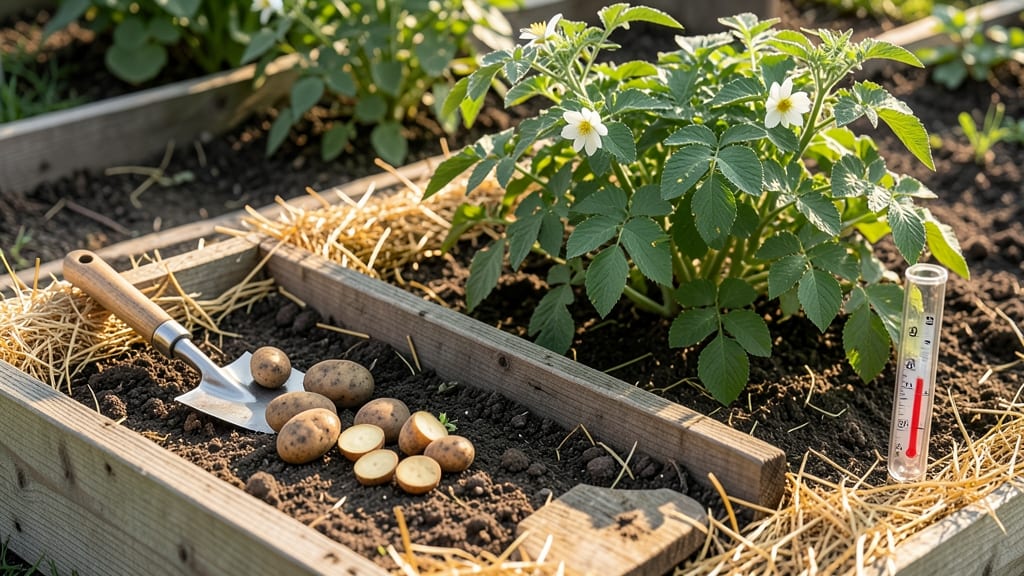
To plant potatoes in Pennsylvania at the perfect time means the difference between a bountiful harvest and wasted effort. Unlike warmer climates, PA’s USDA zones 5a-7a demand careful timing—too early, and frost will kill tender sprouts; too late, and your crop won’t mature before winter sets in.
Most gardeners here aim for early spring planting (March-April), but the exact window depends on your elevation and last-frost date. In colder Zone 5a areas, you might start as early as late February for fast-maturing varieties, while Zone 7a gardeners can wait until April.
The key? Soil temperatures above 45°F and a reliable frost-free forecast.
I’ve learned the hard way that microclimates matter—urban heat islands can push planting dates earlier, while highland areas may need to wait. Whether you’re in Pittsburgh’s Piedmont zone or the rural Highland region, local frost data is your best guide.
Let’s break down the exact dates and strategies that work for your corner of PA.
Ready to avoid common mistakes? You’ll discover how to time your planting for maximum yield, choose the right varieties for your zone, and even adjust for late starts. No more guessing—just proven techniques for Pennsylvania’s unpredictable spring.
Pennsylvania potato planting dates by elevation zones (2024 guide)
Pennsylvania's diverse elevation zones create dramatically different planting windows for potatoes. The Lowland regions (like Erie) can start as early as late February, while Highland areas (Poconos) often wait until mid-April. These differences stem from soil warming rates and last-frost averages that vary by 500+ feet in elevation.
For successful potato growth, your planting window hinges on two critical factors: soil temperature (must reach 45°F) and frost-free probability. In Zone 5a (common in Highlands), you risk frost damage if planting before April 15, while Zone 7a (Lowlands) gardeners can start 6 weeks earlier.
This guide breaks down the exact windows for each zone.
Pro Tip: Use a soil thermometer to verify readiness—potatoes won't sprout until soil hits 50°F. In Piedmont regions (like Harrisburg), this often means waiting until mid-March, even if your neighbor in Philadelphia starts in February.
| Elevation Zone | Avg. Last Frost | Ideal Planting Window | Soil Temp Threshold | Microclimate Note |
|---|---|---|---|---|
| Lowland (Erie, Pittsburgh) | March 15 - April 1 | Late February - Early March | 45°F (7°C) minimum | Urban areas warm faster; rural cooler |
| Piedmont (Harrisburg, Lancaster) | April 1 - April 15 | Mid-March - Early April | 50°F (10°C) for sprouting | Humidity delays soil warming |
| Highland (Poconos, Allegheny) | May 1 - May 15 | Mid-April - Early May | 55°F (13°C) required | Short season; prioritize early varieties |
In Lowland Pennsylvania, where cities like Erie experience earlier soil warming, you can plant early varieties like 'Yukon Gold' as soon as late February.
These areas benefit from urban heat islands that raise soil temperatures 2-3°F warmer than rural counterparts. However, avoid planting too early—cold soil can stunt tuber formation.
For Piedmont regions (USDA Zones 6b-7a), the April 1 last-frost average means your planting window opens March 15. This is prime time for mid-season varieties like 'Kennebec', which thrive in the 60-70 day growing season typical of this zone. The humid climate here demands well-draining soil to prevent rot.
Highland gardeners face the shortest windows—planting after April 15 risks late frosts that can kill emerging shoots. Use row covers if planting early, and choose early-maturing varieties like 'Red Norland' (70 days). The thin air at higher elevations also reduces yields by 15-20% if planted too late.
Adjust your timeline based on microclimates: South-facing slopes warm 1-2 weeks earlier than north-facing areas. In urban gardens, pavement radiates heat, letting you plant 10-14 days sooner than rural neighbors. Always check local frost records—your county extension office has precise data.
If you're unsure about timing, use the 50°F soil rule: Wait until the 7-inch depth reaches this temperature for 3 consecutive days. This ensures roots establish before summer heat arrives. In Pennsylvania's variable climate, this simple check prevents blight risks from wet springs.
For container growing, plant 2-3 weeks later than in-ground—pots cool faster. Use black plastic mulch to warm soil 5-7°F faster in cool zones. And remember: Potatoes hate heat—plant early varieties by June 1 to avoid tuber sunburn.
🌱
How to adjust planting for Pennsylvania’s microclimates (urban vs. rural)
Your neighbor’s potato planting date might seem perfect—but if they’re in a Piedmont valley while you’re on a Highland ridge, their schedule could ruin your crop. Pennsylvania’s microclimates create wildly different growing conditions within just a few miles.
Urban areas like Philadelphia often experience heat islands that push planting dates earlier, while rural highlands near State College may need to wait weeks longer for safe soil temperatures.
Even within the same city, wind exposure and urban heat retention can shift your ideal planting window by 2-3 weeks. That’s why I always check local frost-free calculators (like the Almanac’s Frost Calculator) instead of relying on generic PA planting guides.
A 3°F temperature difference can mean the difference between thriving sprouts and frost-killed tubers.
⚠️ WARNING: Common Mistakes That Waste Your Potatoes ⚠️
Cold-soaked seed potatoes in Zone 5a (like Erie) can rot before sprouting. I’ve seen gardeners in urban heat pockets (like Pittsburgh’s downtown) plant 4 weeks early—only to have their Highland neighbors struggle with late frosts. Soil temperature below 45°F halts growth entirely.
High-wind areas (like Allegheny Plateau) dry out soil faster, requiring earlier watering and deeper planting (6+ inches). Without adjustments, your potatoes may bolt prematurely or develop scab disease from stress.
The USDA’s last-frost date for Harrisburg (April 15) doesn’t apply to State College’s highland zone (May 1). Always cross-check with local weather stations—I use NOAA’s Climate Data for my Zone 6a area in Lancaster.
To adjust for your microclimate, start by identifying your local heat zone. Urban areas can be 5-10°F warmer than rural zones just 5 miles away. For example, Philadelphia’s Center City might safely plant Yukon Golds by March 20, while nearby Chester County farms wait until April 5.
Use the Almanac’s Planting Zone Finder and overlay it with your local heat map (available from Penn State Extension).
Wind exposure is another game-changer. If your garden faces prevailing westerlies (common in PA), plant potatoes on the leeward side of fences or use windbreaks like cornstalks.
In highland areas, I’ve seen Kennebec potatoes mature 10 days earlier when sheltered from 30+ mph winds that scour moisture from the soil. For windy sites, till in extra compost to retain moisture and plant 1 inch deeper than usual.
Pro tip: Use row covers for 2-3 weeks post-planting in high-wind zones. This buys you 14 extra frost-free days and protects tender sprouts. I’ve extended my Zone 5a planting window by 3 weeks using floating row covers—just remove them when tuber formation begins (when flowers appear).
For urban gardeners, black plastic mulch can warm soil 5°F faster than bare earth, letting you plant Katahdins 2 weeks earlier.
Finally, never plant based on calendar dates. Instead, use a soil thermometer—wait until readings hit 45°F at 4-inch depth for 3 consecutive days. In my Piedmont garden, this often means April 10, while my highland neighbor waits until April 25.
Pair this with your local frost probability tool (like FrostWatch), and you’ll nail your planting window every time. Your potatoes will thank you with bigger, disease-resistant tubers and a harvest that beats your neighbors’ by weeks.