
Plants
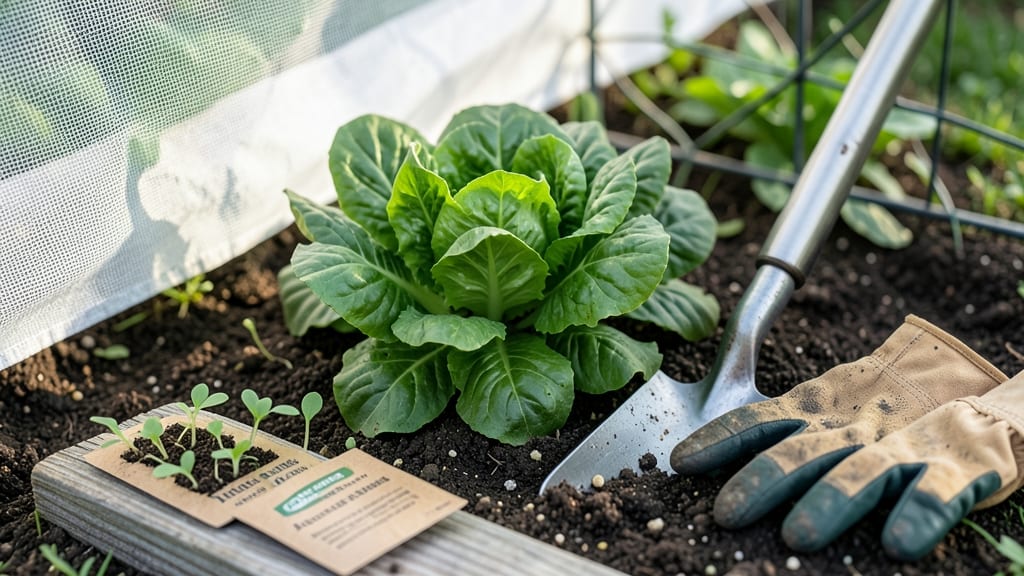
Planting lettuce in Texas feels like playing a high-stakes game of timing—get it wrong, and your crisp 🥬 turns bitter or bolts into seed before you can harvest.
The difference between a thriving fall garden and a sad, wilted mess often comes down to knowing exactly when to start seeds or set out transplants in your specific heat zone.
If you've ever watched your lettuce turn into a sad, bolting mess under Texas sun, you're not alone. The key to success lies in understanding your local frost dates and heat patterns.
Whether you're in North Texas or the Gulf Coast, planting at the right time means cooler temperatures, slower growth, and that perfect balance of flavor and texture we all crave.
I've spent years perfecting my Texas lettuce schedule, and what works for me in Zone 9a might not be ideal for your Zone 8a neighbors. The good news?
With the right timing—fall for cool-season varieties and early spring for heat-tolerant types—you can enjoy fresh lettuce from October through May without the stress.
Let me show you exactly when to plant, how to protect your crops from Texas heat, and which varieties thrive in our unique climate.
By the end, you'll have a foolproof schedule that keeps your lettuce crisp, your harvests bountiful, and your dinner table stocked with homegrown goodness all season long.
Texas heat Zone planting calendar for lettuce (avoid bolting disaster)
Texas gardeners know the struggle: plant lettuce too early, and it bolts from the heat; too late, and you miss the winter harvest. But timing it perfectly—using Texas heat zones—can mean crisp, flavorful lettuce all season long.
The key is understanding your USDA zones (8a-10b) and planting during the coolest months when temperatures stay below 75°F. In North Texas (Zone 8a), you’ll have two main windows: fall and early spring.
Meanwhile, South Texas (Zone 10a) gardeners can squeeze in a winter harvest and even a late-summer planting with shade protection.
Lettuce thrives in 60-65°F soil temperatures, making September-October and February-March the sweet spots for most of Texas. However, heat-tolerant varieties like Jericho or Black Seeded Simpson can handle brief summer heat if given afternoon shade.
The goal is to avoid the 90°F+ days that trigger bolting—the process where lettuce goes to seed prematurely. With the right timing, you can enjoy fresh salads from October through May in most regions.
📅 Here’s your month-by-month Texas lettuce planting calendar:
| Month | Zone 8a (North Texas) | Zone 9a (Central Texas) | Zone 10a (South Texas) | Best Varieties | Notes |
|---|---|---|---|---|---|
| September | ✅ Start seeds indoors | ✅ Direct sow outdoors | ✅ Direct sow with shade | Buttercrunch, Romaine | Soil temps drop below 80°F |
| October | ✅ Direct sow outdoors | ✅ Direct sow outdoors | ✅ Direct sow outdoors | Leaf, Bibb | Ideal for fall harvest |
| November | ✅ Direct sow outdoors | ✅ Direct sow outdoors | ✅ Direct sow outdoors | Winter Density, Jericho | Protect from light frosts |
| December | ❄️ Overwinter with row cover | ❄️ Overwinter with row cover | ❄️ Overwinter with row cover | All varieties | Use cold frames for Zone 10a |
| January | ✅ Succession plant | ✅ Succession plant | ✅ Succession plant | Black Seeded Simpson | Harvest every 2-3 weeks |
| February | ✅ Start seeds indoors | ✅ Direct sow outdoors | ✅ Direct
How to extend lettuce growing season in Texas heat (shade, mulch, and more)Texas summers can turn your lettuce into a sad, bolting mess faster than you can say "heatwave." But with the right strategies, you can keep your lettuce thriving from fall through spring. The key is creating a cooler microclimate that mimics Texas's natural growing seasons—without waiting for winter. I’ve learned the hard way that shade cloth, mulching, and succession planting are my secret weapons against Texas heat. These techniques don’t just extend your harvest—they transform your garden into a lettuce powerhouse, even when temperatures soar above 90°F. Let’s dive into the proven methods I use to keep my lettuce crisp and my dinner table stocked. 1
Use 30-50% shade cloth during peak summer (June-August) to block intense sunlight. Secure it 3-4 feet above plants to allow airflow.
2
Mulch with straw or wood chips to keep soil 5-10°F cooler. Apply a 3-inch layer around plants to retain moisture and block weeds.
3
Plant heat-tolerant varieties like 'Jericho' romaine or 'Black Seeded Simpson'. These bolt 30% slower than standard lettuce in heat.
4
Succession plant every 2 weeks in fall/spring. Start with transplants for faster harvests, then sow seeds for continuous growth.
5
Water deeply in early morning (1-1.5 inches per week). Avoid evening watering to prevent fungal diseases like downy mildew.
One of my biggest breakthroughs was realizing that shade cloth isn’t just for summer. Even in fall, when temperatures dip but still hover in the 80s°F, a light shade cloth can prevent premature bolting. I use 30% shade cloth in early fall and 50% in peak summer—the difference in leaf quality is night and day. Don’t overlook the power of mulching. A thick layer of organic mulch (like straw) doesn’t just keep roots cool—it also reduces evaporation by up to 70%. I’ve seen lettuce stay crisp for weeks longer in mulched beds compared to bare soil. Plus, it suppresses weeds, so you spend less time pulling them and more time harvesting. For succession planting, I start with transplants in late summer (August-September) for an early fall harvest. Then, I sow seeds every 2 weeks until October. This ensures I always have fresh lettuce ready to pick, even as winter approaches. The same strategy works in spring—just reverse the timeline. Finally, heat-tolerant varieties are a game-changer. I’ve switched from standard butterhead to 'Jericho' romaine, which handles 95°F+ temperatures like a champ. It’s not as tender as other types, but it stays crisp and flavorful when others bolt. Pair it with 'Black Seeded Simpson' for a mix of textures and flavors that work year-round. |