
Flowers
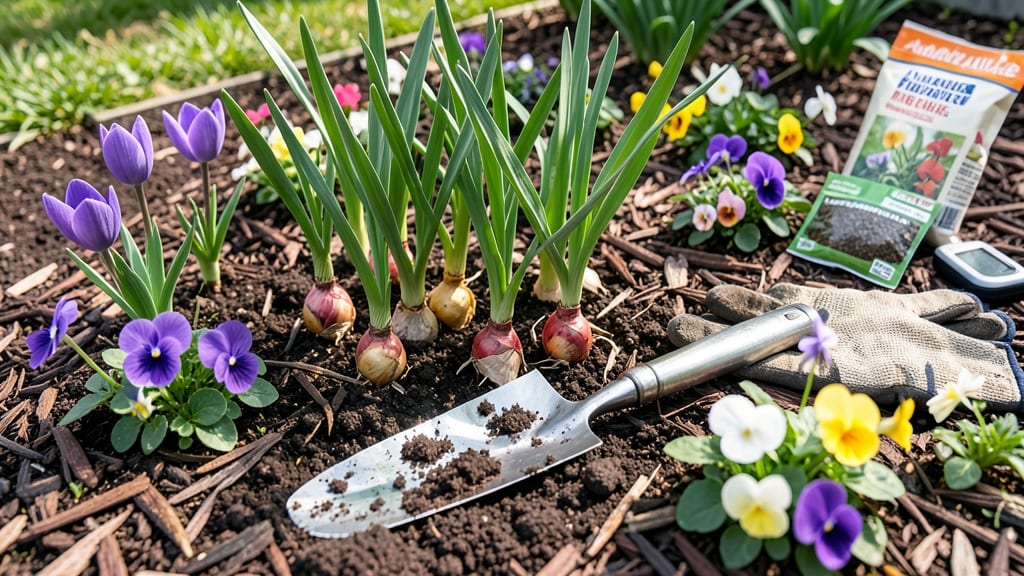
Planting your spring flowers at the wrong time can turn your garden dreams into a sad, wilted mess—but getting the timing right means vibrant blooms all season long.
The secret lies in knowing your last frost date and USDA zone, which determines when your soil is finally safe for those delicate 🌸 seedlings.
I’ve learned the hard way that rushing too early can mean frost-killed sprouts, while waiting too long might leave you with leggy, weak plants.
The ideal window for most spring flowers in USDA Zone 6a (like where I garden) is typically after April 15th, but your exact timing depends on your local climate. Let’s break down how to pinpoint the perfect moment for your region.
Whether you’re planting hardy annuals like pansies or perennials like coneflowers, the right schedule makes all the difference. You’ll discover how to adjust for late frosts, check soil temperatures, and even stretch your blooming season with smart planting strategies. No more guessing—just confident, beautiful gardens.
By the end, you’ll know exactly when to plant, which flowers thrive in early vs. late spring, and how to troubleshoot delays. Ready to turn your garden into a showstopper? Let’s get started.
USDA Zone planting calendar: exact weeks to plant flowers by region
Spring flower planting success hinges on knowing your USDA zone and local last frost date. These two factors determine whether your annuals, perennials, or bulbs will thrive or perish.
For example, in Zone 5, you might plant hardy pansies in early April, while Zone 9 gardeners can start marigolds as early as late February.
Most gardeners wait until 2-3 weeks after the average last frost date to plant tender flowers. This gives young plants time to establish roots before nighttime temperatures dip below 50°F (10°C). However, cold-hardy varieties like snapdragons or sweet peas can handle light frosts and may be planted earlier.
Soil temperature is just as critical as air temperature. Most flowers won’t germinate until the soil reaches 60°F (15°C). Use a soil thermometer to check—if it’s cooler, wait another week or two.
For bulbs like tulips, plant them in fall (6-8 weeks before frost) for spring blooms, but annuals like zinnias need warm soil to sprout.
Pro tip: In Zone 5, I plant cold-tolerant annuals like stock or sweet alyssum in early April, even if frost is still possible. These flowers handle light frosts better than geraniums or petunias, which need warmer soil.
Always check your local cooperative extension service for precise frost dates—they’re more accurate than generic calendars.
For container gardening, you can plant 2-3 weeks earlier than in-ground flowers because pots warm up faster. Just ensure your containers have drainage holes to prevent root rot from excess moisture.
I’ve had great success with pansies in containers in Zone 6 by late March, while in-ground planting waited until mid-April.
If you’re unsure about your USDA zone, use the USDA Plant Hardiness Zone Map to find your exact zone. Then, adjust your planting timeline by 1-2 weeks earlier for perennials (they’re hardier) and 1-2 weeks later for tropical annuals (they’re more sensitive).
For example, dahlias need warmer soil and should only be planted after Memorial Day in most regions.
Remember: Early spring is for cold-hardy flowers like snapdragons or calendula, while late spring is ideal for heat-lovers such as sunflowers or cosmos. Planning ahead ensures your garden blooms from May through fall without gaps.
Finally, keep an eye on your local weather forecast in the weeks leading up to planting. A sudden cold snap can delay your schedule, but a heatwave might allow you to plant earlier. Flexibility is key—don’t rush if the soil isn’t ready!
How to adjust your planting schedule for early vs. late spring
Spring weather can be as unpredictable as a toddler’s mood—one day it’s warm sunshine, the next a frosty surprise. I’ve had pansies freeze overnight in Zone 6a, only to watch them bounce back when protected.
The key to success? Flexibility. Your planting schedule should adapt to soil temperatures, local forecasts, and your plants’ hardiness. Let’s break down how to adjust for early vs. late springs without sacrificing your garden’s potential.
First, check your USDA zone and average last frost date. But here’s the secret: don’t plant right on the date. Wait until your soil warms to at least 60°F (15°C)—a soil thermometer is your best friend.
Cold soil slows germination, leaving seedlings vulnerable. In my garden, I’ve seen marigolds sprout in 55°F soil, but petunias need that extra warmth to thrive.
For early springs with warm spells, start with cold-hardy annuals like pansies, snapdragons, or stock. These can handle light frosts (down to 20°F/-7°C) and give you a head start.
Use row covers or cold frames for extra protection if nights dip below freezing. I’ve even planted calendulas in late March under cloches—no frost damage, just happy blooms by May.
⚠️ callout warning❄️ Frost Alert: Don’t Guess—Check Soil Temps!
Planting too early? Soil temperature matters more than air temp. Use a soil thermometer—most seeds need 50-60°F (10-15°C) to germinate. If your soil is below 50°F, wait. Frost warnings? Delay planting tender annuals (like impatiens) until after May 1 in Zone 6a. For perennials, early planting is fine—they’re built to survive.
🌱 Pro Tip: Test soil moisture too—dry soil heats up faster than damp soil.
If spring drags on with late frosts, switch to heat-tolerant varieties like zinnias, cosmos, or sunflowers. These handle warmer soil and dry spells better than finicky geraniums. I’ve planted cosmos as late as June 1 in my zone, and they still bloomed until frost.
For perennials, late planting is often safer—they establish roots slowly but survive better than rushed annuals.
Use mulch to regulate soil temperature. A 2-inch layer of straw or shredded leaves keeps soil cooler in early spring and warmer in late spring. I cover my beds with mulch after planting to prevent soil temperature swings.
For container gardens, move pots to sheltered spots or under eaves if frost is forecasted. Black plastic mulch can raise soil temps by 5-10°F—perfect for extending your late-spring window.
Don’t forget succession planting! If your early spring fails, sow fast-germinating seeds like lettuce or radishes every 2 weeks. For flowers, try bachelor’s buttons or larkspur—they germinate quickly and tolerate cool soil.
I’ve filled gaps in my garden by planting nasturtiums in late May; they bloom in just 4-6 weeks and handle heat beautifully.
Adjusting your schedule isn’t about perfection—it’s about observation. Watch your local weather, test your soil, and choose plants that match your microclimate. My late-spring garden thrives with dahlias and black-eyed Susans, while my early-spring beds shine with violas and sweet alyssum.
With these tweaks, you’ll turn unpredictable springs into a blooming success.