
Flowers
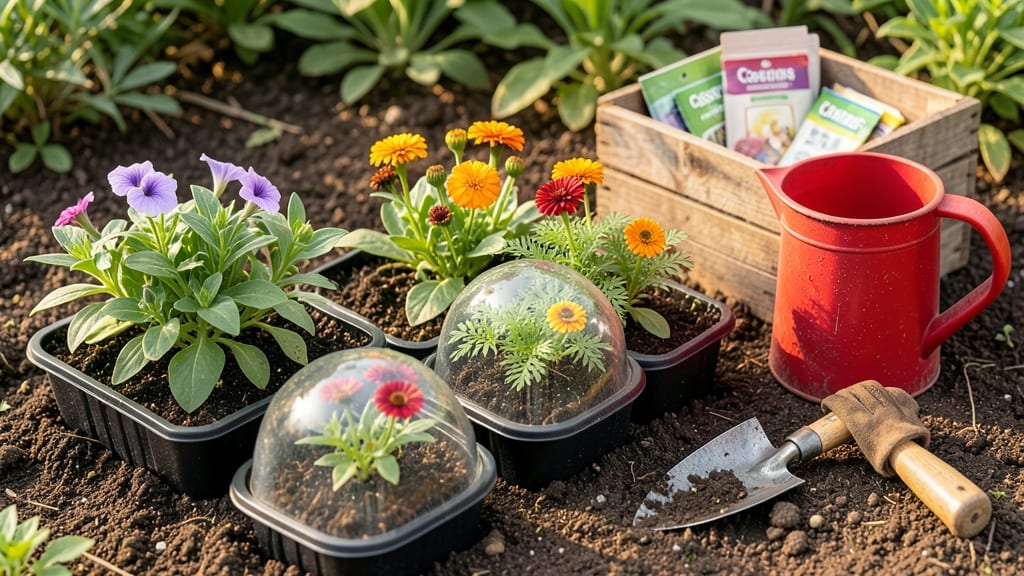
Planting your 🌸 flowers at the wrong time in Zone 6B can turn your dream garden into a sad, frost-bitten disappointment—but I’ve cracked the code to get it right every time.
The difference between vibrant blooms and wilted petals often comes down to knowing exactly when to tuck bulbs into the soil, when to pop seeds in the ground, and how to adjust for those tricky early-spring frosts.
Let me cut through the guesswork: whether you’re a first-time gardener or a seasoned pro, these Zone 6B-specific planting windows will help you avoid the most common mistakes.
From cool-season annuals that love a chill to heat-loving perennials that need warm soil, I’ll walk you through the best months—and why timing matters more than you think.
You’ll learn how to read your local frost dates, when to start seeds indoors, and which flowers thrive in spring versus those that beg for a fall planting.
Plus, I’ll share my top pro tips to protect your plants from late frosts or unexpected heat waves, so you can enjoy a garden that’s always in bloom.
Ready to transform your garden into a year-round showstopper? Let’s dive into the exact months you need to plant—so you can skip the trial and error and get straight to the blooms you love.
Zone 6B flower planting calendar: exact months for annuals, perennials & bulbs
In Zone 6B, where last frosts typically arrive around April 15 and first frosts hit October 15, timing is everything for flower success. Planting too early risks frost damage, while waiting too late can shorten the blooming season.
I’ve broken down the exact months for annuals, perennials, and bulbs to help you align your garden with nature’s rhythm.
Cool-season flowers like pansies and snapdragons thrive when planted 4-6 weeks before last frost—so aim for March in most of Zone 6B. Warm-season favorites such as marigolds and petunias need soil temperatures above 60°F, which usually happens by late April to early May.
Bulbs, like tulips and daffodils, follow a different rule: plant them in fall (October) for spring blooms.
Key deadlines in Zone 6B:
- Last frost date: April 15 (varies by 5-10 days north vs. south in Zone 6B)
- First frost date: October 15 (trigger for fall planting)
- Soil warm-up: 60°F (critical for warm-season annuals)
| Flower Type | Best Planting Months | Notes |
|---|---|---|
| Cool-Season Annuals | March–April (4-6 weeks before last frost) | Pansies, Snapdragons, Sweet Alyssum |
| Warm-Season Annuals | May–June (after soil reaches 60°F) | Marigolds, Petunias, Zinnias, Sunflowers |
| Perennials (Spring) | April–May (after last frost) | Coneflowers, Black-Eyed Susans, Lavender |
| Perennials (Fall) | September–October (6-8 weeks before first frost) | Daylilies, Hostas, Peonies (established plants) |
| Spring-Blooming Bulbs | October–November (fall planting) | Tulips, Daffodils, Hyacinths |
| Summer-Blooming Bulbs | April–May (after frost) | Dahlias, Gladiolus, Crocosmia |
| Late Starters (Annuals) | June–July (fast-growing varieties) | Cosmos, Sunflowers, Nasturtiums |
For annuals, the March-April window is ideal for cool-loving varieties, while May-June is the sweet spot for heat-loving plants.
I always plant marigolds in early May to give them a head start before summer heat peaks. Perennials can be planted in spring or fall, but fall planting gives roots time to establish before winter.
Bulbs are a special case—spring-blooming bulbs like tulips must be planted in fall (October), while summer-blooming bulbs like dahlias go in spring (April-May). I mark my calendar for October 1st as the deadline for tulip planting to avoid missed opportunities.
If you’re a late starter, don’t worry: fast-growing annuals like cosmos can still be planted in June or July for late-season color.
Microclimate matters in Zone 6B. Gardens in northern Zone 6B (closer to Zone 5) may experience frost 2 weeks later than southern areas. Use a soil thermometer to confirm when temperatures hit 60°F—this is your cue for warm-season plants. I’ve also had success using row covers to extend the season for tender annuals like petunias planted in early May.
Pro tip: Deadhead spent blooms throughout the season to encourage continuous flowering. This works especially well for zinnias and sunflowers, which reward consistent care with bold, long-lasting blooms. For perennials, a light feeding in early spring (like a 10
How to adjust planting timing for early vs. late Zone 6B frost dates
Zone 6B’s frost dates can shift by 2-3 weeks depending on whether you're in the northern or southern part of the zone.
In northern areas like western Pennsylvania, the last frost often hits around April 20-25, while southern regions like central Virginia may see frost-free conditions by March 25-April 10.
These variations mean your cool-season flowers like pansies or snapdragons might need an earlier start in northern areas, while warm-season favorites like zinnias can wait longer in the south.
Always check your local USDA frost maps or use a soil thermometer to confirm when the ground warms to 60°F—this is your green light for planting most annuals.
Microclimates add another layer of complexity. A south-facing slope warms faster than a north-facing valley, so you can plant heat-loving flowers like marigolds 1-2 weeks earlier in sunny spots. Conversely, low-lying areas or shaded gardens may need row covers to protect tender plants from late frosts.
If you’re unsure, opt for slow-growing annuals like cosmos or black-eyed Susans, which tolerate cooler soil better than impatiens or geraniums. These adaptable picks give you a buffer if frost lingers longer than expected.
If frost sneaks in unexpectedly, don’t panic—row covers or cloches can shield young plants for 2-3 weeks while you wait for warmer weather. For bulbs like tulips or daffodils, plant them in fall (October-November) regardless of frost timing, as they need cold stratification to bloom.
Meanwhile, perennials like lavender or Russian sage are hardy enough to handle Zone 6B’s fluctuations, so they’re low-maintenance choices for beginners. Even if you miss the ideal window, container gardening lets you move heat-sensitive plants indoors during late frosts, giving you flexibility to adjust timing as needed.
For late-summer planting, aim to get fall-blooming annuals like mums or asters in the ground by August 15 in northern Zone 6B or September 1 in the south. These deadlines ensure they’ll establish roots before the first frost.
If you’re still unsure, opt for biennials like foxglove or hollyhocks, which thrive in Zone 6B’s climate and tolerate a wider range of planting times. Just remember: patience is key—rushing can lead to frost damage, while waiting too long may result in leggy, weak plants.
Ultimately, Zone 6B’s variable frost patterns mean flexibility is your best tool. Start with hardy perennials and cool-season annuals early, then add warm-season flowers once the risk of frost has passed.
If all else fails, container gardening or season extenders can save your plants—and your sanity. With these adjustments, you’ll turn Zone 6B