
Planting
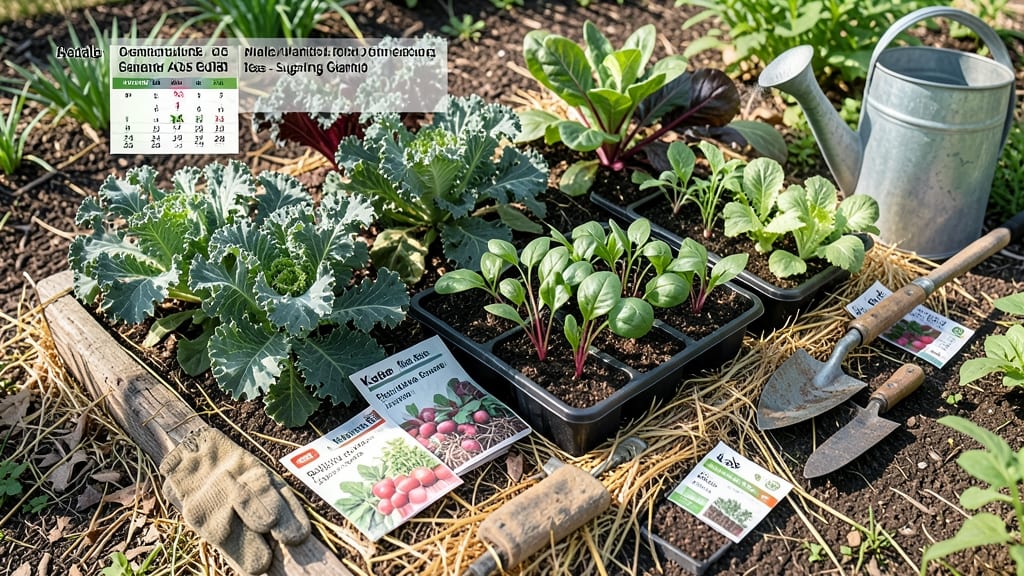
Timing your garden in Michigan isn’t just about luck—it’s about knowing when to plant your garden vegetables (general) to beat frost and maximize your harvest.
With USDA Zones 5b-6a, the difference between a thriving 🌱 patch and a frost-killed disappointment often comes down to those few critical weeks between last frost and summer heat.
You’ve probably heard the rule: “Wait until after the last frost,” but Michigan’s unpredictable weather means that’s not always enough. Whether you’re planting cool-season crops like spinach or warm-season favorites like tomatoes, getting the timing right ensures your garden thrives—not just survives.
I’ll break down the exact windows for spring and fall planting, including how to adjust for your specific corner of Michigan. From Detroit’s urban gardens to Traverse City’s cooler climates, we’ll cover what to plant, when to start seeds indoors, and how to stretch your growing season with simple tricks.
Ready to turn your garden dreams into reality? Let’s dive into the best planting schedule for Michigan’s unique climate—so you can enjoy fresh veggies from your own backyard all season long.
Michigan’s planting timeline by USDA zone 5-6: last frost dates and hardiness maps
Michigan’s USDA Zones 5b-6a create a delicate balance for gardeners—too early, and a late frost wipes out tender seedlings; too late, and the season rushes by.
The average last frost dates vary dramatically across the state, with Detroit typically seeing its final freeze around April 15, while Traverse City holds onto frost until May 1.
These dates aren’t set in stone, though—microclimates near lakes or urban heat islands can shift your window by 1-2 weeks.
To pinpoint your exact planting timeline, start with the Michigan State University Hardiness Zone Map. Their interactive tool (available at MSU Extension) lets you zoom in to your specific address and see frost probability data.
For example, Grand Rapids (Zone 6a) has a 90% chance of frost-free conditions by April 25, while Kalamazoo (Zone 6b) hits that milestone a week earlier.
Cool-season crops like spinach and peas thrive when planted 4-6 weeks before your last frost. In Detroit, that means sowing seeds by March 20, while Traverse City gardeners should wait until April 10.
Warm-season staples like tomatoes and peppers need to wait until the soil reaches 60°F, usually 2 weeks after your last frost date—so Detroiters can plant by May 1, but Traverse City residents should hold off until May 15.
🌱
Adjust your planting schedule based on microclimates. South-facing slopes warm up faster, while low-lying areas stay colder longer. Urban gardens in cities like Detroit often experience urban heat islands, allowing you to plant warm-season crops 1 week earlier than rural areas.
Conversely, areas near Lake Michigan (like Traverse City) can have delayed last frosts due to lake breezes.
For fall planting, aim to sow warm-season crops like beans and corn by July 15 in Detroit or July 25 in Traverse City. Cool-season crops can handle light frosts, so kale and carrots planted in August will often survive until October.
Use MSU’s frost probability charts to calculate your first frost date—typically October 15 in Detroit and October 1 in Traverse City.
Track your local frost dates by signing up for MSU’s Garden Bulletin or using Almanac’s Frost/Freeze Calculator. These tools provide historical data and 30-day forecasts to help you make data-driven decisions.
For example, if the forecast predicts a 50% chance of frost on May 5, wait to plant tomatoes until after that date to avoid damage.
🌿
Protect your early plants with frost cloth or row covers to extend your season. These low-cost tools can push back frost dates by 2-4 weeks, giving you an earlier start on spinach, lettuce, and even cabbage.
Just remember to remove covers during the day to prevent overheating. For warm-season crops, use black plastic mulch to warm the soil 5-10°F faster than bare earth, helping seedlings establish before the last frost.
💧
If you’re new to Michigan gardening, start
Best month-by-month planting schedule for Michigan gardens: what to sow in March vs. June
Michigan gardeners know that timing is everything. While the last frost date (typically mid-April) marks the traditional start, your planting schedule should actually begin indoors in February for warm-season crops.
I’ve broken down the best months to plant everything from cool-season greens to heat-loving tomatoes, so you can maximize your harvest without wasting precious growing time.
For cool-season crops like spinach, peas, and lettuce, start sowing seeds directly in the garden as early as March under row covers. These hardy plants can handle Michigan’s chilly springs and even thrive in early spring frost.
Meanwhile, warm-season crops like tomatoes, peppers, and cucumbers need to wait until the soil warms to at least 60°F, usually by late May.
🌱 Month-by-Month Planting Highlights for Michigan
- February: Start seeds indoors for tomatoes, peppers, and eggplants (8-10 weeks before last frost).
- March: Direct-sow peas, spinach, lettuce, and onions outdoors under row covers.
- April: Plant potatoes, carrots, and radishes once soil is workable (around 40°F).
- May: Transplant seedlings (tomatoes, peppers) and sow beans, squash, and corn after last frost.
- June: Succession plant lettuce, kale, and radishes for continuous harvests.
- July: Start fall crops like broccoli, cabbage, and beets for a late-season bounty.
One of my favorite tricks for Michigan gardens is succession planting. Instead of sowing all your lettuce seeds at once, plant a new batch every 2 weeks from April through July. This ensures a steady supply of fresh greens and prevents bolting (when lettuce turns bitter in the heat).
For warm-season crops, I also recommend planting fast-maturing varieties like bush beans (50-60 days) or cherry tomatoes (55-65 days) to guarantee a harvest before fall frost.
Don’t forget about fall planting, which is just as important as spring! Starting in late July, you can sow cool-season crops like kale, Brussels sprouts, and radishes. These plants thrive in Michigan’s cooler autumn weather and often produce sweeter flavors after a light frost.
Just be sure to harvest before the first hard frost (usually mid-October), or use row covers to extend the season by a few weeks.
If you’re new to Michigan gardening, I recommend keeping a simple planting journal to track what works best in your specific microclimate. Note the exact dates you plant, the varieties you choose, and how they perform.
Over time, you’ll fine-tune your schedule to beat frost, avoid pests, and enjoy a longer harvest window—even in our unpredictable climate.
Pro tip: Use Michigan State University’s Garden Guide for localized advice, especially if you’re in the Upper Peninsula (where frost dates can be 2-3 weeks later than southern Michigan). With the right timing, you’ll turn Michigan’s short growing season into a year-round gardening success!