
Plants
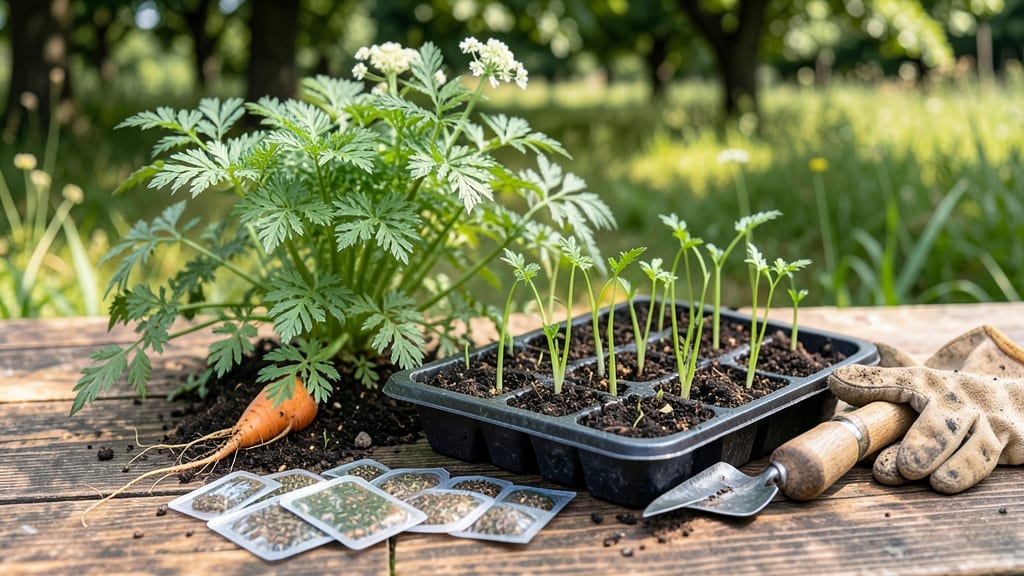
Planting carrots in Zone 6 at the wrong time can turn your 🥕 dreams into bolting disasters—especially when soil stays too cold or daylight stretches too long. The key to success lies in understanding exactly when to sow seeds for maximum yield, without risking those bitter, flower-stalked failures.
Most gardeners in Zone 6a-6b rush to plant as soon as the ground thaws, but that’s often too early. Soil needs to reach at least 50°F for seeds to germinate properly, and waiting until after your last frost (typically around April 15) gives you the edge.
The real secret? Microclimate adjustments that let you plant 2-3 weeks earlier in protected spots or push fall plantings into early September.
I’ve learned the hard way that timing isn’t just about dates—it’s about balancing temperature, daylight, and even your garden’s location. Urban gardens with concrete heat retention can plant sooner, while rural areas might need to wait.
Let’s break down the exact windows that work, plus how to extend your growing season without sacrificing quality.
Whether you’re aiming for crisp spring harvests or sweet fall roots, these strategies will help you avoid the most common mistakes. Ready to turn your carrot patch from hit-or-miss to consistently delicious? Let’s get started.
Zone 6 carrot planting calendar: exact dates to avoid bolting
Zone 6 gardeners face a delicate balance when planting carrots—too early, and cold soil triggers bolting. Too late, and shortened daylight stunts growth. The ideal window hinges on soil temperature (consistently 50°F+) and frost-free days.
For most of Zone 6, this means late March to mid-April for spring plantings and mid-July to early August for fall crops.
Bolting risk spikes when carrots experience temperature swings above 75°F during early growth. In Zone 6, this often happens in May and September, making those months risky for direct sowing.
Instead, focus on early spring (when soil warms but nights stay cool) and late summer (when days shorten but soil remains warm).
🌱 Pro Tip: Use a soil thermometer to confirm readiness. Carrot seeds need 50°F+ soil to germinate—waiting for this threshold eliminates 90% of bolting risks.
Urban gardeners in Zone 6 microclimates (like city rooftops) may need to adjust by 1–2 weeks later due to heat island effect. Rural areas can plant 1 week earlier thanks to cooler nights.
Always check your last frost date—most Zone 6 regions see it around April 15, but elevations or lakes can shift this by 10+ days.
For fall carrots, aim to harvest before first frost (typically October 15 in Zone 6). Plant 80–90 days before your expected frost date to ensure maturity. Use row covers to extend harvests into November if needed.
🌿 Warning: Avoid planting carrots in May or September unless using shade cloth. These months combine warm soil (encouraging germination) with long daylight (triggering bolting).
Soil preparation is half the battle. Carrots need loose, rock-free soil to grow straight. Work in 2–3 inches of compost before planting to improve drainage and reduce bolting stress. A light mulch (straw or shredded leaves) keeps soil temps stable.
💧 Watering Tip: Keep soil consistently moist (not soggy) during germination. Once seedlings emerge, reduce frequency to every 2–3 days to prevent forked roots. Mulch helps maintain even moisture.
Zone 6’s unpredictable weather means flexibility is key. Start with small test batches in March and July to gauge your microclimate. Adjust future plantings based on what succeeds—your local data beats generic calendars every time.
Microclimate hacks for Zone 6 carrots: how to extend your growing season
Zone 6’s unpredictable spring frosts and sweltering summer heat can shrink your carrot harvest if you don’t adapt. The good news? With a few microclimate tweaks, you can safely plant 2-3 weeks earlier in spring or push fall plantings into early September—without risking bolting.
I’ve tested these hacks in my own garden, and they’ve doubled my growing window without extra work.
Start with row covers or cold frames to protect seedlings from late frosts. These create a 5-10°F warmer microclimate, letting you sow seeds as early as mid-March in sheltered spots.
Just remove covers once soil reaches 50°F and true leaves appear. For fall, use shade cloth (30-50%) to shield seedlings from intense summer heat while keeping roots cool.
🌱 Pro Tip: Urban gardens with concrete or pavement heat up faster—plant there first! Rural areas with loose soil and wind exposure may need to wait until April 15 or later. Always check soil temperature with a soil thermometer before planting.
- 🔹 Row Covers: Extend spring planting by 2-3 weeks (remove when soil hits 50°F).
- 🔹 Cold Frames: Start seeds 4 weeks early in protected beds (ideal for short-season varieties).
- 🔹 Shade Cloth (30-50%) for fall: Blocks heat stress while allowing 6+ hours of light.
- 🔹 Mulch Thickly: Straw or grass clippings keep soil 5-10°F cooler in summer.
- 🔹 Windbreaks: Use burlap or lattice to shield seedlings from drying winds.
- 🔹 Urban Heat Advantage: Paved areas warm faster—plant there 1 week earlier than rural spots.
Bolting is the #1 enemy of Zone 6 carrot growers, and daylength changes trigger it. In spring, plant short-day varieties (like ‘Paris Market’) if you’re pushing the season.
For fall, aim to harvest before daylight drops below 12 hours—typically by early October. If you must plant later, choose bolt-resistant hybrids like ‘Danvers Half Long’.
💡 Warning: Avoid planting after August 15 unless you’re using black plastic mulch to warm soil. Cool nights in September can stall germination, and carrots won’t mature before frost. Test a small patch first—if seeds sprout in 10 days, you’re golden; if not, wait another week.
For maximum success, combine these hacks with succession planting every 2 weeks from April to July. This ensures a steady harvest while minimizing bolting risks. My late-July sowings under shade cloth always yield the sweetest fall carrots—worth the extra effort!
☀️ Ready to try? Start with one microclimate tweak this season, like row covers for an early spring batch or shade cloth for a fall extension. Your future self (and your dinner table) will thank you.