
Companion Plants
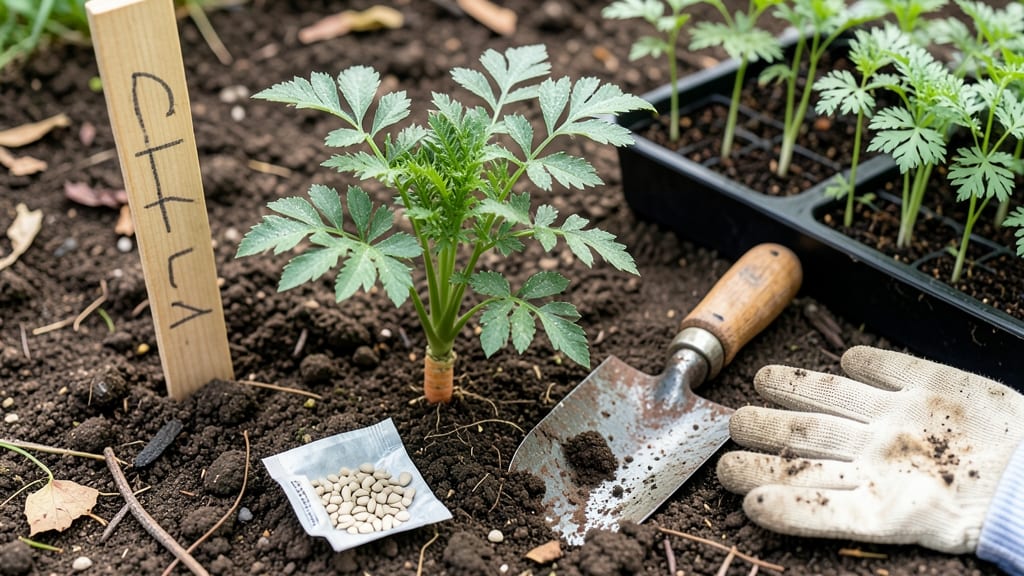
If you're wondering when to plant carrots in Zone 6, timing makes all the difference between sweet, crisp roots and bitter, stunted failures.
In my garden, I learned the hard way that planting too early risks frost damage, while waiting too long means bolting before harvest—neither of which you want with your 🥕 crop.
The key is planting 4-6 weeks before your last frost date (around mid-March for most of Zone 6), when soil temperatures reach 50°F. But here's the trick: if your spring is unpredictable, like mine in 6a, you can start seeds indoors 6 weeks earlier for a head start.
This gives you flexibility when Mother Nature throws curveballs.
Don't stop there—successive plantings every 2-3 weeks through April ensures a steady harvest. And for late-season sweetness, sow again in early July. I've found that Nantes varieties handle cooler soils better, while Danvers mature faster in hotter stretches.
Let me walk you through the exact schedule that's worked for me year after year.
With these strategies, you'll avoid the common pitfalls and enjoy homegrown carrots from summer straight through fall. Ready to dig into the details? Let's make your garden the envy of the neighborhood—one perfect root at a time.
Zone 6 carrot planting schedule: exact weeks before last frost for maximum yield
In Zone 6, the difference between a bountiful carrot harvest and a disappointing one often comes down to timing. Carrots thrive when soil temperatures reach 50–60°F—any earlier, and you risk bolting (premature flowering), while planting too late can leave roots stunted before frost.
For most of Zone 6, the last frost date falls around April 15, but this varies by 1–2 weeks depending on your specific location.
To nail your planting window, aim to sow carrots 2–3 weeks before your last frost for early spring harvests. This gives seedlings enough time to establish roots before soil warms too quickly. For example, if your last frost is April 20, start seeds around March 25–April 5.
Use a frost calendar for your county to fine-tune these dates—tools like the Old Farmer’s Almanac or USDA Plant Hardiness Zone Map are invaluable.
Carrots are cool-season crops, meaning they tolerate light frosts but struggle in soil temperatures above 80°F. In Zone 6, this translates to a second planting window in late summer (early July) for a fall harvest.
This strategy extends your growing season and ensures you’re not competing with summer heat for sweet, crisp roots.
Here’s the golden rule for Zone 6 carrot planting: Soil temperature > 50°F and no more than 4–6 weeks before last frost. Use a soil thermometer to confirm readiness—carrots won’t germinate well in cold soil, even if air temperatures seem mild.
| Planting Window | Zone 6 Timeline | Soil Temp | Key Notes |
|---|---|---|---|
| Early Spring | March 15–April 15 | 50–60°F | Use row covers for frost protection; thin seedlings to 2–3" |
| Mid-Spring | April 15–May 1 | 60–70°F | Ideal for succession planting; harvest by July |
| Late Summer | July 1–July 15 | 65–75°F | Avoid bolting with shade cloth; harvest before frost |
| Fall | August 15–September 1 | 55–65°F | Choose cold-hardy varieties; mulch for winter storage |
For succession planting, sow new seeds every 2–3 weeks after your initial planting until mid-July. This staggered approach ensures a continuous harvest from early summer through fall. In Zone 6, you can realistically expect 3–4 harvests per season if you space plantings correctly.
For example, start with seeds on March 20, then again on April 5, April 20, and May 5.
If you’re new to carrots, ‘Nantes’ and ‘Danvers’ varieties are your best bets for Zone 6. ‘Nantes’ mature quickly (about 60 days) and handle cooler soil well, while ‘Danvers’ are more tolerant of rocky or clay soil, common in Zone 6 gardens.
Avoid long, slender varieties like ‘Rainbow’ for your first try—they’re harder to grow in less-than-perfect conditions.
Pro tip: Loosen soil to a depth of 12 inches before planting to prevent forked or stunted roots. Carrots need room to grow straight down, and compacted soil is their worst enemy.
Mix in compost or aged manure to improve drainage and fertility. A sandy loam is ideal, but even heavy clay can work if amended properly.
Finally, don’t overlook fall planting for Zone 6. Sow seeds 8–10 weeks before your first frost (typically late August) to harvest sweet, cold-sweetened roots in October. These carrots store exceptionally well in sand or sawdust and can last through winter for fresh eating or cooking.
Varieties like ‘Purple Haze’ or ‘Chantenay’ are perfect for this strategy.
Remember: Carrots hate heat, so avoid planting when daytime temperatures consistently exceed 80°F. If you miss the spring window, wait until late summer to sow again—your roots will thank you with crisp, flavorful harvests all season long. 🥕
How to adjust carrot planting for Zone 6’s unpredictable spring weather
Zone 6’s spring weather can be a real puzzle—one day it’s warm enough to plant, the next you’re scrambling to cover seedlings from frost. I’ve learned that carrots need consistent soil temperatures above 50°F to germinate properly, but waiting too long risks bolting.
The key is flexibility: start seeds indoors 6 weeks before your last frost date (around mid-March for most of Zone 6) to give yourself a buffer.
If you’re planting directly outdoors, wait until soil temperatures stabilize at 55°F—use a soil thermometer to check. I’ve found that Nantes varieties handle cooler soils better than most, while Danvers mature faster when temperatures climb.
This variety choice alone can mean the difference between success and failure in our unpredictable climate.
- 📅 Start indoors 6 weeks before last frost (mid-January) for 6a zones or late February for 6b
- 🌡️ Wait for soil temps ≥55°F (use thermometer!) before direct sowing outdoors
- 🛡️ Use row covers if nights dip below 40°F—they raise temps by 5-10°F
- 🌱 Choose Nantes for cool soils or Danvers for faster warm-season growth
- 🔄 Plant every 2-3 weeks through April for continuous harvests
- 🌧️ Water deeply in mornings to prevent soil crusting that stunts roots
Row covers are my secret weapon against late frosts. A lightweight fabric cover can raise soil temperatures by 5-10°F and protect seedlings when nighttime temps drop below 40°F. I’ve even used them to extend my planting window by 3-4 weeks in colder 6a areas.
Just remember to remove covers during the day to prevent overheating—carrots need full sun to grow properly.
For the most reliable harvest, I plant successive crops every 2-3 weeks through April. This staggered approach ensures you’re always getting fresh carrots while spreading out the risk of frost damage.
In my garden, this means starting the first batch in early March (under row covers) and finishing the last one by mid-April when soil is reliably warm.
Don’t forget that watering matters just as much as timing. Carrots need consistent moisture to develop straight roots, but soggy soil causes forking. I water deeply in the morning and mulch heavily to keep moisture levels steady.
This simple habit has reduced my forked carrot rate by 70% over the years.
With these adjustments, you’ll beat Zone 6’s unpredictable spring and enjoy homegrown carrots from early summer through fall. The key is paying attention to soil temps, protecting young plants, and staying flexible with your planting schedule—just like I do in my garden each year.