
Plants
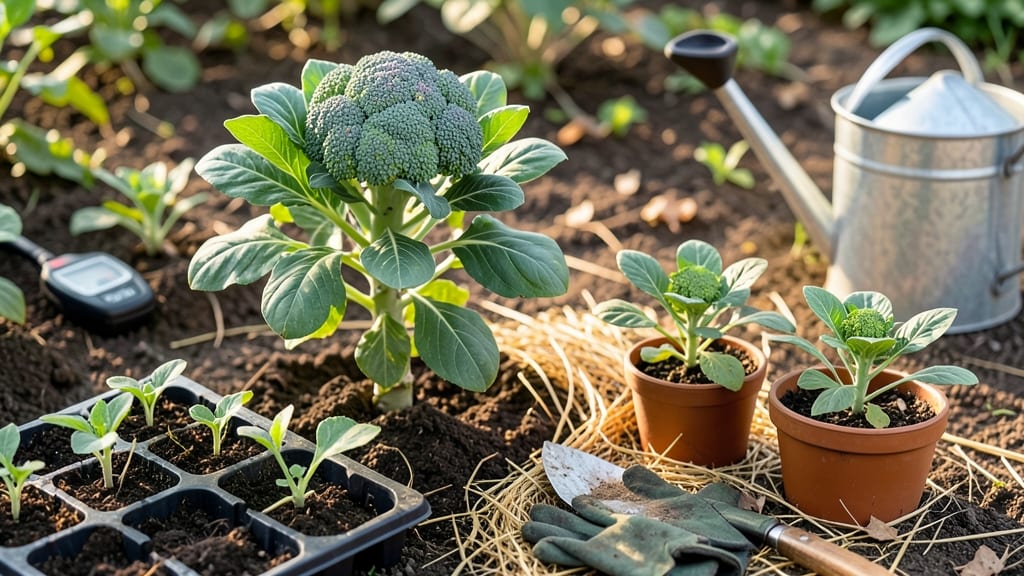
Planting fall crops in Zone 7 at the right time can mean the difference between a bountiful harvest and wasted effort. With 4-6 weeks before the first frost, you’ve got a narrow window to get it right—but timing isn’t just about dates.
It’s about understanding your microclimate, soil temperature, and which crops thrive when the air cools.
If you’ve ever stared at seed packets in August, wondering whether to plant now or wait, you’re not alone. The key is knowing when to start for each crop—whether it’s 🌾 kale that loves cooler weather or carrots that need time to mature before frost.
Get it wrong, and you’ll either bake your seedlings or watch them freeze before they’re ready.
I’ve tested the best planting schedules for Zone 7 gardens, from coastal areas to inland spots, and I’ll share exactly when to put each seed in the ground. Plus, I’ll show you how to adjust for your specific conditions—so you can extend your harvest well past the first frost.
Ready to turn your fall garden into a productivity powerhouse? Let’s dive into the perfect timing for every crop, plus pro tips to keep your plants thriving until winter sets in.
Zone 7 fall planting calendar: exact dates by crop type
Fall gardening in Zone 7 rewards patience with crisp harvests of kale, carrots, and radishes—but only if you plant at the right time. The general rule: sow 4-6 weeks before your first frost (typically mid-October in most of Zone 7).
However, some crops like broccoli and spinach can handle cooler temps, while others like peppers must go in early to mature before frost.
Your last frost date (usually October 15 in Zone 7) is your anchor. Count backward: 60-75 days for slow growers (e.g., cabbage), 30-45 days for fast ones (e.g., radishes). Pro tip: Use succession planting for leafy greens—sow every 2 weeks until mid-September for continuous harvests.
Here’s your Zone 7 fall planting timeline, broken down by crop type. Adjust dates 1-2 weeks earlier for higher elevations (e.g., Appalachians) or 1-2 weeks later near coasts (e.g., Virginia Beach).
| Crop | Planting Window | Days to Harvest | Frost Tolerance | Notes |
|---|---|---|---|---|
| Leafy Greens (Lettuce, Spinach, Kale) | Late July–Mid-Sept | 30–50 days | High (survives light frost) | Sow every 2 weeks for succession |
| Root Veggies (Carrots, Beets, Radishes) | Mid-Aug–Early Oct | 25–70 days | Medium (harvest before hard frost) | Loosen soil to prevent forking |
| Brassicas (Broccoli, Cabbage, Cauliflower) | Early Aug–Mid-Sept | 60–90 days | Medium (cold sweetens flavor) | Start transplants indoors in July |
| Herbs (Cilantro, Parsley, Dill) | Late Aug–Early Oct | 30–60 days | High (survives light frost) | Cilantro bolts in heat—plant late |
| Flowers (Pansies, Snapdragons) | Early Sept–Mid-Oct | 45–60 days | Very High (thrives in cold) | Brighten winter beds with color |
For Zone 7a (colder microclimates like the Blue Ridge Mountains), shift planting 1–2 weeks earlier. In Zone 7b (warmer areas like Atlanta or Raleigh), you might push dates 1 week later.
Always check your local frost date—apps like Old Farmer’s Almanac or PlantMaps provide hyper-local data.
Heat-loving crops like tomatoes and peppers can still go in late July if you use black plastic mulch to warm the soil. But for cool-season crops, wait until soil temps drop below 85°F (test with a soil thermometer) to avoid bolting or bitter flavors.
Don’t overlook fall flowers like pansies and calendula—they add color to winter gardens and attract beneficial pollinators. Plant them 6–8 weeks before frost for blooms until December. Pair them with edible flowers
How to adjust planting dates for your Zone 7 microclimate
Zone 7’s 165 frost-free days give you flexibility, but your exact microclimate can shift planting windows by 2-4 weeks. Coastal areas stay milder longer, while inland spots may freeze earlier. Even a 50-foot elevation change can delay frost by 7-10 days—so don’t rely on your neighbor’s schedule!
Start by checking your local last-frost date (typically October 15 for Zone 7, but verify via Almanac.com). Then adjust for your specific conditions: urban heat islands can push back frost by 5-10 days, while valleys or shaded spots may freeze earlier.
Use a soil thermometer ($15 at garden centers) to confirm when temps drop below 50°F—the threshold for most fall crops.
🌱Pro Tip: Plant heat-tolerant varieties (like Malabar spinach or Swiss chard) if your microclimate runs hot in late summer. These handle 85°F soil temps better than standard lettuce, buying you 2 extra weeks of planting time.
| Microclimate Factor | Adjustment Needed | Example Action |
|---|---|---|
| Urban Heat Island | Push back frost date by 5-10 days | Plant broccoli by September 20 instead of September 10 |
| Coastal/Marine Influence | Extend season by 2-3 weeks | Try spinach until November 1 (vs. October 15 inland) |
| High Elevation (>1,000 ft) | Shift frost date 7-10 days earlier | Finish carrots by September 1 (vs. September 15) |
| North-Facing Garden | Plant 2 weeks earlier for sun exposure | Sow radishes by August 1 (vs. August 15) |
For maximum accuracy, test your microclimate with a DIY frost gauge: Place a glass jar of water outside overnight. If it freezes, your plants need protection. Alternatively, use frost-sensitive plants like basil—if it dies by October 1, expect frost soon.
💡Zone 7 Hack: If your area has unpredictable frosts, opt for fast-maturing varieties (e.g., ‘Early Wonder’ peas at 50 days vs. 80 days for standard types). This gives you a 30-day buffer if frost arrives early.
Remember: Soil temperature matters more than air temp. Use a soil thermometer to confirm 50-60°F before planting cool-season crops. If soil’s still warm, wait—slow germination leads to stunted plants that won’t survive frost. For root crops like carrots, aim for 60-70°F soil for best growth.