
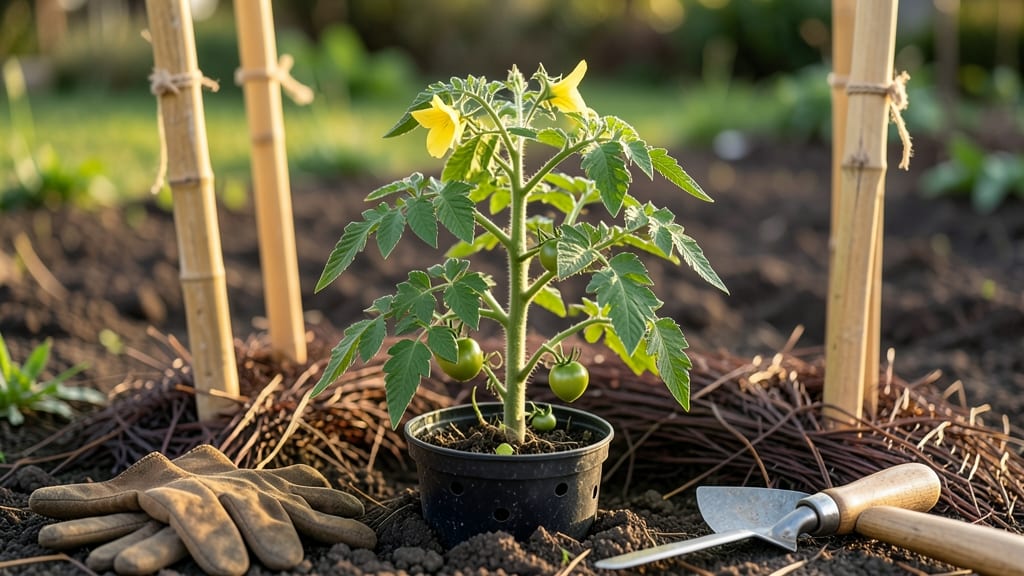
When to Plant Tomatoes in Florida: Heat Zone 8A-10A Start Dates Revealed

Companion Plants

When to Plant Tomatoes in Florida: Heat Zone 8A-10A Start Dates Revealed

Planting your šŸ… tomatoes at the wrong time in Florida can mean the difference between a bumper crop and a sad, wilted disappointment. Unlike other states, Florida’s unique heat zones—from 8A in the Panhandle to 10A in the Keys—demand precise timing to avoid frost damage or scorching heat.

If you’ve ever wondered why your tomato plants struggle to thrive, it’s likely because you planted them outside the ideal window. Whether you’re growing heirloom varieties or heat-tolerant hybrids, knowing when to start seeds indoors or transplant seedlings is the key to a successful harvest.

In this guide, I’ll break down the exact months for both spring and fall planting in your specific heat zone, plus pro tips for soil prep, mulching, and protecting young plants from Florida’s unpredictable weather. Ready to grow tomatoes like a local?

Let’s dive into the perfect planting schedule that’ll have your vines bursting with fruit—without the guesswork.

šŸ… When to Plant Tomato
Jan 🌱
Feb šŸ…
Mar šŸ…
Apr 🌱
May 🌸
Jun 🌱
Jul šŸ…
Aug šŸ…
Sep 🌱
Oct šŸ‚
Nov šŸ‚
Dec ā„ļø
Ideal Time
Also Good

Florida tomato planting calendar: heat zone 8A-10A start dates by month

Florida’s Heat Zones 8A-10A offer gardeners two prime tomato-growing seasons: spring and fall. Unlike northern climates, Florida’s mild winters and long summers allow for year-round production with the right timing. Planting too early risks cold soil stress, while late starts may miss the optimal 70-85°F growing range.

Here’s my breakdown of when to plant tomatoes in Florida by month, including transplanting and direct-sowing windows.

For North Florida (Zones 8A-9A), frost dates are critical. The last frost typically occurs around January 15 in the Panhandle, while South Florida (Zone 10A) rarely sees frost. This means gardeners in Miami or Homestead can plant tomatoes almost year-round, but peak yields still depend on timing.

Below, I’ll cover month-by-month planting windows, including early, mid, and late-season strategies to avoid heat stress and maximize fruit production.

Month Transplanting Window Direct-Sowing Window Soil Temp Requirement Notes
January Late January (Zones 9A-10A only) Not recommended 60°F+ (use black plastic mulch) Risk of cold soil; best for heat-tolerant varieties like 'Celebrity' or 'Solar Fire'.
February Mid-February to late February Late February (Zones 9A-10A) 65°F+ Ideal for early varieties like 'Early Girl' or 'Better Boy'. Use row covers for frost protection.
March Early March to mid-March Mid-March (Zones 8A-10A) 70°F+ Peak spring planting month. Choose determinate varieties for earlier harvests.
April Late April (Zones 8A-9A only) Not recommended (too hot) 75°F+ Avoid planting; heat stress risks. Wait for fall planting instead.
May Not recommended Not recommended N/A Tomatoes struggle in extreme heat. Focus on shade cloth or succession planting for fall.
June Not recommended Not recommended N/A Peak summer heat (90°F+). Plant heat-tolerant varieties like 'Heatmaster' or 'Solar Set' in shade cloth.
July Late July (Zones 8A-9A) Late July (Zones 9A-10A) 70°F+ Start fall crop with indeterminate varieties like 'Cherokee Purple' or 'Brandywine'.
August Early August to mid-August Mid-August (Zones 9A-10A) 75°F+ Best late-summer planting for fall harvests. Use drip irrigation to avoid fungal issues.
September Late September (Zones 8A-9A) Late September (Zones 9A-10A) 65°F+ Final fall planting window. Choose early-maturing varieties like 'Stupice' or 'Patio'.
October Not recommended (too late)

How to choose between transplanting vs. direct-sowing tomatoes in Florida

Deciding whether to transplant tomato seedlings or direct-sow seeds in Florida depends on your local heat zone, preferred variety types, and how much time you’re willing to invest.

Florida’s humid climate and long growing season create unique challenges—like fungal diseases from excess moisture—that can make one method better than the other for your specific location.

For North Florida (Zones 8A-9A), where cooler winters and earlier springs occur, transplanting often gives you a head start. Meanwhile, South Florida (Zone 10A) gardeners can direct-sow almost year-round, thanks to warmer soils and fewer frost risks.

Let’s break down the pros and cons to help you decide what works best for your garden.

Transplanting vs. Direct-Sowing Tomatoes in Florida

Transplanting
  • āœ… Earlier harvests (4-6 weeks ahead)
  • āœ… Better variety selection (heirlooms, hybrids)
  • āœ… Controlled growing conditions (less disease risk)
Direct-Sowing
  • āœ… No transplant shock (hardier plants)
  • āœ… Lower cost (no seedling trays)
  • āœ… Better for heat-loving varieties (e.g., 'Solar Fire')
Cons
  • āŒ Higher upfront cost (seedlings, trays)
  • āŒ Transplant shock risk (if not hardened off)
  • āŒ Limited timeframe (must start indoors early)
Cons
  • āŒ Slower to mature (4-6 weeks behind)
  • āŒ Weed competition (thinning required)
  • āŒ Less control over soil conditions

If you choose to transplant seedlings, start them indoors 6-8 weeks before your last frost date. For North Florida, this means sowing seeds in January or early February, while South Florida gardeners can start as late as April or May for fall harvests.

Use grow lights or a sunny windowsill to ensure strong, healthy seedlings before transplanting.

For direct-sowing, Florida’s warm soils make it ideal for varieties like 'Celebrity' or 'Sunny', which thrive when planted directly into 60°F+ soil.

In North Florida, aim for late March to early April, while South Florida can sow seeds year-round, with peaks in June-July for fall harvests. Always soak seeds overnight before planting to improve germination rates in Florida’s sandy soils.

Hardening off seedlings is critical in Florida’s high humidity. Gradually expose seedlings to outdoor conditions over 7-10 days, starting with 2-3 hours of shade and increasing exposure daily.

Avoid hardening off during peak sun hours to prevent leaf scorch. Once hardened, transplant in the early morning or late afternoon to reduce stress.

For Florida gardeners, heat-tolerant varieties like 'Heatmaster' or 'Solar Fire' are excellent choices for direct-sowing, while 'Cherokee Purple' or 'Brandywine' thrive when transplanted. Always mulch heavily to retain moisture and regulate soil temperature, especially during Florida’s hot summer months.

ā˜…ā˜…ā˜…ā˜…ā˜…4.8(9 reviews)
Categories Companion Plants