
How To
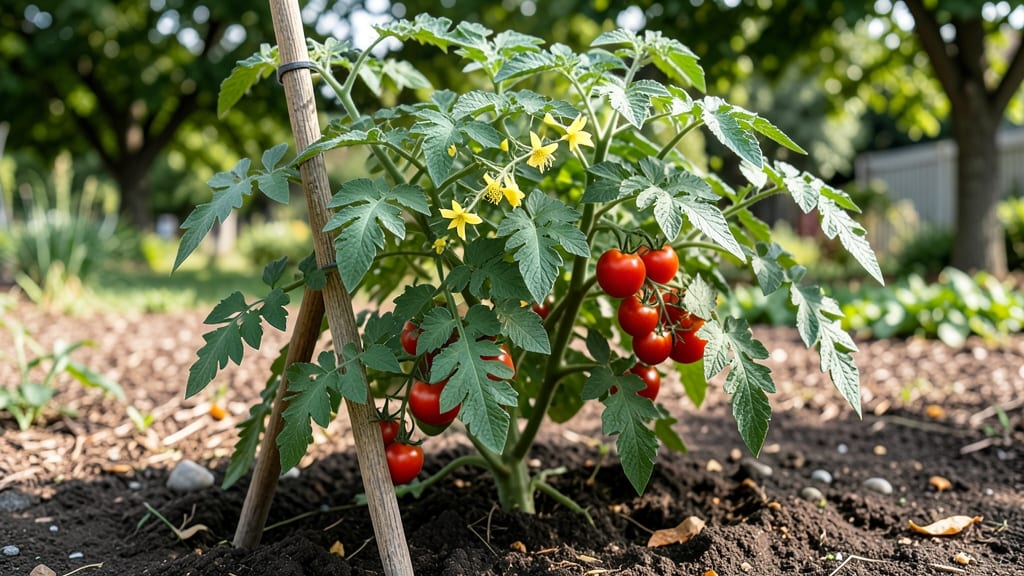
Optimal sunlight hours for tomato plants by growth stage
Tomatoes are sun-worshippers, and their light needs change dramatically from seedling to fruiting. As a gardener who’s spent years experimenting with tomato varieties, I’ve learned that insufficient sunlight is the #1 reason for poor yields—even with perfect soil and water.
The key is understanding how much light your plants need at each stage to maximize fruit production and plant health.
Most gardeners assume tomatoes need "full sun," but the exact sunlight hours vary dramatically depending on whether your plants are just sprouting, flowering, or bearing fruit. For example, a seedling might thrive with 4-6 hours of light, while a fruiting plant demands 8-10+ hours daily.
Let’s break it down by growth stage so you can give your tomatoes exactly what they need.
🌱 Did You Know? Tomatoes convert sunlight into energy through photosynthesis, but they also use light to trigger flowering. Without enough light, your plants will focus on leafy growth instead of producing those juicy tomatoes you’re craving.
Now that you see the breakdown, let’s talk about how to measure sunlight accurately. Many gardeners assume their plants get "full sun," but shadows from fences, trees, or even nearby plants can cut sunlight by 30-50%.
Use a sunlight tracker or app like Sun Surveyor to log sunlight hours for 3-5 days. Place your phone or a simple timer near your plants to record direct sunlight exposure.
For container-grown tomatoes, sunlight needs are even more critical since roots can’t spread to seek moisture or nutrients. Move pots to follow the sun’s arc—start them in morning sun and shift them to afternoon sun as the season progresses.
If your balcony or patio only gets 4-5 hours of sun, consider reflective surfaces like white walls or mirrors to bounce extra light onto your plants.
In northern climates or during shorter summer days, tomatoes may struggle to get enough light. This is where supplemental lighting comes in handy.
A simple LED grow light (like the Mars Hydro TS 600W) placed 12-18 inches above your plants for 4-6 hours in the evening can make a huge difference. Even a cheap fluorescent shop light can help bridge the gap during cloudy spells.
One common mistake I see is assuming that partial shade is acceptable for tomatoes. While they can tolerate 4-6 hours of shade (especially in hot climates), anything less than 6 hours of direct sunlight will limit fruit production.
If you’re growing cherry tomatoes, they’re slightly more forgiving, but even they need at least 6 hours daily to thrive.
Pro tip: If your tomatoes start looking leggy or pale, it’s a sign they’re not getting enough light. Pinch off the bottom leaves to improve airflow and redirect energy to the fruiting zone.
For indeterminate varieties (like 'Sungold' or 'Brandywine'), which grow continuously, you’ll need to monitor light needs throughout the entire season.
Finally, remember that light quality matters too. Tomatoes need full-spectrum light, which includes UV rays that help with flavor development. If you’re growing indoors or under grow lights, choose bulbs that mimic natural sunlight as closely as possible. Your taste buds—and your tomatoes—will thank you!
Signs your tomato plants aren’t getting enough light (and how to fix it)
If your tomato plants are stretching toward the sky like they're reaching for a sunbath, it’s a clear sign they’re light-starved. Without adequate sunlight, tomatoes struggle to produce the energy needed for strong stems, vibrant foliage, and—most importantly—juicy fruits.
Even if you’re giving them water and fertilizer, poor light exposure can turn your garden dreams into a sad, leafy disappointment.
I’ve seen firsthand how insufficient light transforms a thriving tomato plant into a leggy, weak specimen with tiny, flavorless fruits. The good news? Recognizing these signs early and taking action can save your harvest.
Let’s break down the visual warnings and practical fixes so you can get your plants back on track.
⚠️ How Much Light Does a Tomato Plant Need?
Tomatoes thrive with 6-8+ hours of direct sunlight daily. In low-light conditions, growth slows, stems elongate, and fruit production plummets. If your plants are indoor or in shady spots, supplement with grow lights for 12-16 hours/day to mimic full sun.
One of the first red flags is leggy stems—those long, weak shoots that look like they’re fighting gravity. This happens when plants stretch toward any available light source, often resulting in floppy stems that can’t support heavy fruit.
Pair this with pale or yellowing leaves, and you’ve got a classic case of light deficiency. These leaves lack the chlorophyll needed for photosynthesis, leaving your plants energy-deprived.
Another dead giveaway? Poor flowering or fruit set. Tomatoes need plenty of light to trigger blooms and develop fruits. If your plants are covered in leaves but barely producing flowers—or if flowers appear but drop off—light deprivation is likely the culprit.
Even if a few fruits form, they’ll often be small, misshapen, or bland in flavor, a far cry from the sweet, sun-ripened tomatoes you’re craving.
For indoor growers, the challenge is even greater. A north-facing window might offer indirect light, but it’s rarely enough. If your container tomatoes are growing slowly or developing weak stems, it’s time to invest in a grow light.
LED grow lights are energy-efficient and can be placed just 6-12 inches above your plants for optimal results. Rotate them daily to ensure even growth and prevent lopsided plants.
Outdoor solutions are simpler but require strategic planning. If your garden spot gets partial shade (e.g., under trees or near a fence), consider pruning nearby foliage or relocating your plants to a sunnier area.
For container gardens, place pots on a south-facing balcony or use reflective surfaces like white walls or mirrors to bounce extra light onto your plants. Even a few extra hours of sunlight can make a world of difference.
Don’t let light deficiency steal your tomato harvest! By spotting these signs early and adjusting your setup, you’ll be well on your way to plump, flavorful tomatoes that’ll make your neighbors jealous. 🍅