
Plants
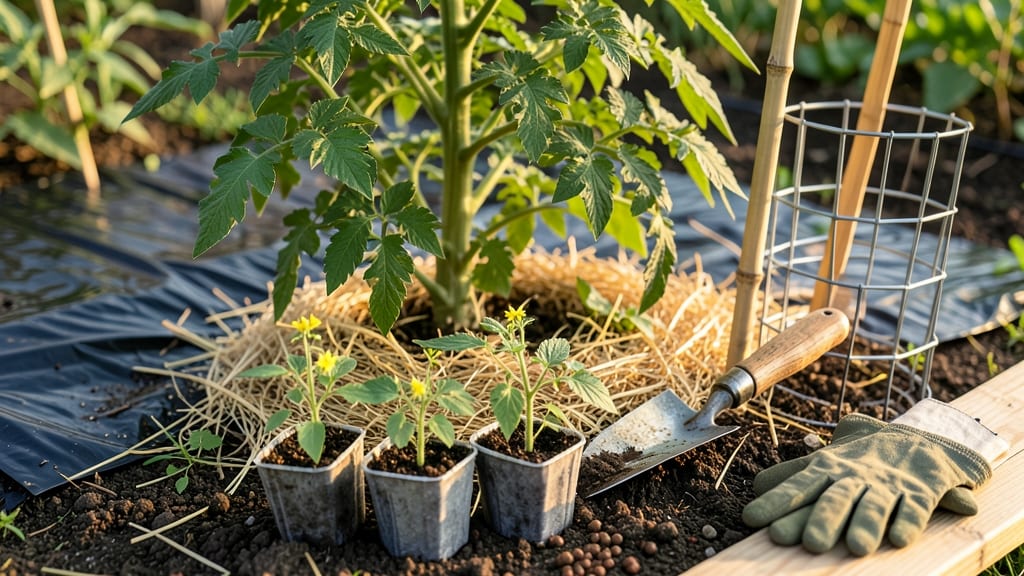
Planting tomatoes in North Carolina isn’t just about sticking seeds in the dirt—it’s about timing them perfectly to beat frost and maximize your harvest. 🍅 With USDA Zones 7a and 8a bringing unpredictable spring weather, even a few weeks off can mean the difference between thriving vines and lost seedlings.
Most gardeners in the Tar Heel State wait until after the last frost—typically mid-April to early May—but soil temperature matters just as much as calendar dates. Cold ground slows germination, while waiting too long risks summer’s heat arriving before your plants mature.
I’ll show you exactly when to start seeds indoors and when to transplant for foolproof results.
Whether you’re growing heirlooms in containers or sprawling varieties in raised beds, this guide cuts through the guesswork. You’ll learn how to adjust for microclimates, protect young plants from late frosts, and even extend your harvest into fall.
No more wasted efforts—just a bountiful tomato season tailored to North Carolina’s quirks.
Ready to turn your garden into a tomato powerhouse? Let’s dive into the exact dates, soil prep, and pro tips that separate successful harvests from disappointing failures. Your first ripe fruit is closer than you think!
Optimal tomato planting dates for North Carolina heat zones 7a and 8a
North Carolina's USDA Heat Zones 7a and 8a create distinct planting windows for tomatoes. In Zone 7a, where last frosts typically hit March 15-April 1, your ideal transplant window opens April 15-May 1.
Meanwhile, Zone 8a gardeners enjoy a slightly extended season, with safe transplant dates from March 20-April 15. These dates align with soil temperatures reaching the critical 60°F threshold that tomatoes crave for root development.
Direct sowing—planting seeds straight into the ground—is only recommended for late varieties in Zone 8a after May 1. For most gardeners, starting seeds 6-8 weeks before transplant indoors (around February 15) gives you a head start on the season.
This timing ensures your seedlings are robust enough to handle North Carolina's unpredictable spring weather patterns.
Here's where local microclimates come into play: Mountain regions (like Asheville) may experience late May frosts, while coastal areas (such as Wilmington) can be planting 2-3 weeks earlier. Always check your local Cooperative Extension Service for hyper-local frost data—it's the difference between thriving plants and lost investments.
For early varieties like 'Celebrity' or 'Early Girl', aim to transplant by April 15 in Zone 7a and March 20 in Zone 8a. These varieties mature in 60-70 days, giving you harvests starting in mid-June. Mid-season varieties (like 'Better Boy') should go in by May 1 in Zone 7a and April 1 in Zone 8a for July-August harvests.
Never rush planting—soil temperature matters more than air temperature. Use a soil thermometer to confirm your planting site has reached 60°F at least 1 inch deep.
Cold soil slows germination and makes seedlings vulnerable to disease. If your soil is still chilly, consider using black plastic mulch to warm it up faster.
Here's my pro tip: Plant a mix of determinate (bush) and indeterminate (vining) varieties. Determinates like 'Roma' produce all at once in 70-80 days, perfect for canning, while indeterminates like 'Sungold' keep producing until frost. This strategy stretches your harvest season from June through October.
For container growing, adjust your timeline by 1-2 weeks earlier since pots warm up faster. Use 5-gallon containers minimum for indeterminate varieties to support their vigorous growth. Place containers in full sun locations and monitor soil moisture closely—containers dry out 30% faster than in-ground beds.
Remember: North Carolina's humidity creates ideal conditions for tomato diseases like early blight and fusarium wilt. Always space plants 18-24 inches apart for airflow and avoid overhead watering. Drip irrigation or soaker hoses are your best friends during NC's hot, humid summers.
Protect your early transplants with floating row covers if late frosts threaten. These lightweight fabrics raise soil temperatures by 2-4°F while shielding seedlings from 28°F temperatures. Remove covers when flowers appear to allow pollination—just don't leave them on during heatwaves over 90°F.
How to extend your tomato growing season in NC’s unpredictable climate
North Carolina’s spring frosts and summer heatwaves can derail even the most eager tomato grower. 🌱 The key to success? Extending your growing season with smart techniques that protect seedlings and keep vines thriving.
I’ve tested these methods in my own garden—some worked flawlessly, while others required adjustments after unexpected weather shifts.
Start with row covers or floating row covers to shield young plants from late frosts (common until mid-April in Zone 7a). These lightweight fabrics trap heat while allowing sunlight and water to pass through.
For extra protection, combine them with cold frames during the riskiest weeks. My Cherry Tomatoes survived a 28°F dip last spring thanks to this combo!
For heat-tolerant varieties, opt for semi-determinate types like ‘Celebrity’ or ‘Better Boy’ that handle NC’s 90°F+ summers better than heirlooms. Pair them with drip irrigation to keep roots cool and mulch with straw to retain moisture.
I’ve seen yields drop by 40% when plants wilt under summer stress—don’t let that happen to you!
🌱 5 Proven Season-Extension Techniques for NC Tomatoes
- 1. Succession Planting: Start new seeds every 2 weeks from April 15 to June 1 for staggered harvests.
- 2. Black Plastic Mulch: Warms soil 5-10°F faster than bare ground, speeding germination.
- 3. Shade Cloth: Use 30% shade during July-August to prevent sunscald on fruits.
- 4. Container Gardening: Move pots to shaded porches during heatwaves (keep soil temp below 85°F).
- 5. Fall Planting: Transplant heat-set varieties by August 1 for harvests before first frost.
Don’t overlook microclimates—your garden’s south-facing slope might warm up 2 weeks earlier than the rest of your yard. I once planted Beefsteak Tomatoes on a sunny hillside in early April while my flat-ground neighbors waited until May 1. The hillside plants fruited 3 weeks ahead without any protection!
Monitor soil temperature with a cheap probe—tomatoes need 60°F+ to germinate. If your ground runs cold, try straw bale gardens or raised beds filled with compost. I’ve seen seedling growth double when soil temps hit 70°F consistently. Pro tip: Bury a thermometer at 2-inch depth for accurate readings.
For late-season harvests, choose heat-set varieties like ‘Solar Fire’ or ‘Heatmaster’ that thrive when daytime temps hit 95°F. Combine them with drip irrigation timed for early morning to avoid fungal diseases.
My fall-planted tomatoes produced 20% more fruit when paired with this setup than when I relied on overhead watering.