
Plants
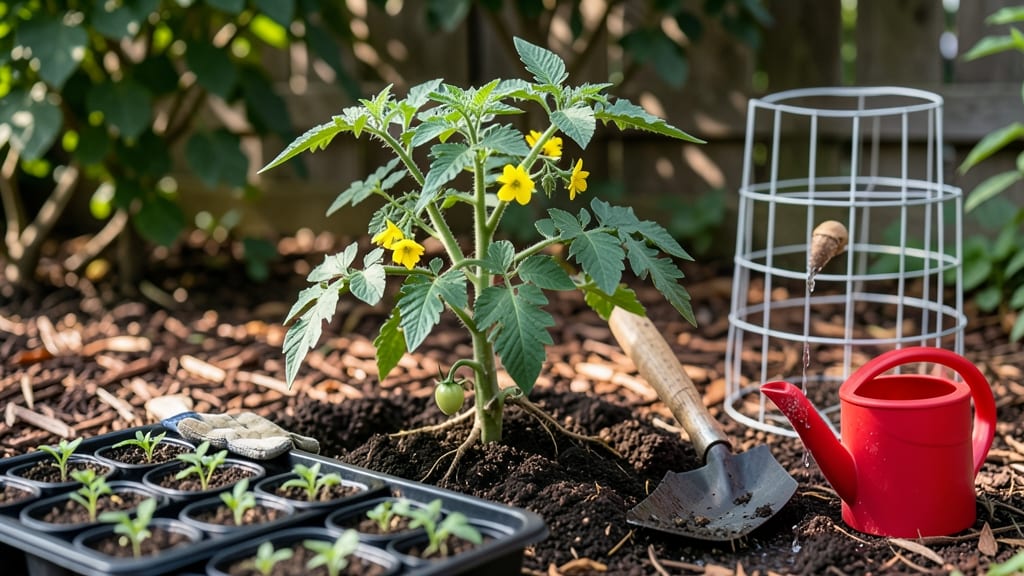
Planting tomatoes in Florida isn't just about grabbing a seedling and sticking it in the ground—it's about timing it perfectly to beat the heat and pests that can wreck your harvest.
With 300+ frost-free days in most regions, you’ve got flexibility, but getting it wrong means struggling with blight, sunscorch, or stunted growth.
I’ve grown tomatoes in Florida’s 8a-11 zones for years, and the key is knowing when soil warms to 60°F—not just air temperature. Skip this, and your seedlings will languish or bolt before producing fruit.
Whether you’re in North Florida’s cooler pockets or the peninsula’s sweltering summers, the right window makes all the difference.
Here’s what you need to know: The best times to plant are late winter to early spring (for spring harvests) or late summer to early fall (for fall harvests). But don’t just follow a generic calendar—your heat zone dictates everything from transplanting dates to the varieties that’ll thrive.
Ready to grow juicy, homegrown 🍅 without the guesswork? Let’s dive into the exact planting windows, heat-tolerant varieties, and pro tips to keep your tomatoes producing all season long—no matter where in Florida you’re gardening.
Florida heat Zone planting calendar: best start dates by region
Florida’s 11 USDA heat zones (8A-10B) create dramatic differences in tomato planting success. Unlike northern states, most of Florida enjoys year-round growing potential, but timing matters—especially in Zone 8A where rare frosts occur. The key? Plant when soil hits 60°F+ and avoid peak summer heat (85°F+) which stresses seedlings.
For spring tomatoes, aim for late February to April in northern zones, while southern Florida can start as early as January. Fall plantings thrive from July to September, giving fruit time to ripen before cooler weather.
The transplant window (4-6 weeks before last frost) is critical—especially in Zone 8A where last frosts average late February.
Here’s your heat zone-specific planting calendar, including ideal soil temps, transplant windows, and frost risks:
In Zone 8A, where frosts can occur, prioritize transplanting after March 1 to avoid cold snaps. For Zones 9A-10B, soil temperature is your guide—wait until it’s consistently above 60°F for germination. Use a soil thermometer to check depths of 2-4 inches; morning readings are most accurate.
Pro tip: Black plastic mulch warms soil by 5-10°F, letting you plant 2-3 weeks earlier in spring. Lay it down 1-2 weeks before transplanting for best results. Avoid planting during July-August in southern zones—intense heat causes blossom drop and poor fruit set.
For fall plantings, aim to harvest before September’s humidity spike, which fuels early blight and fusarium wilt. In Zone 8A, finish planting by September 1 to avoid frost risks. Southern zones can extend into October
Tomato varieties that thrive in Florida’s extreme heat and humidity
Florida’s tropical climate demands heat-tolerant tomato varieties that can handle 90°F+ temperatures and high humidity. The wrong variety wilts under these conditions, but the right one produces abundant fruit even in summer’s peak heat.
I’ve grown these top 7 varieties in my Zone 9b garden—each excels in different ways for Florida’s unique challenges.
For early-season harvests, I swear by ‘Celebrity’ and ‘Sunny’—both disease-resistant and heat-tolerant up to 95°F. These are my go-to for spring plantings when temps are still unpredictable. ‘Heatmaster’ is another favorite, producing red beefsteak tomatoes even when other varieties bolt in July’s heat.
🌱
Pros & Cons of Top Florida Tomato Varieties
✅ Early producer (60 days)
✅ Resists fusarium wilt
✅ Heat-tolerant up to 95°F
⚠️ Cracking risk in heavy rain
✅ Beefsteak size in heat
✅ Drought-resistant
✅ No blossom end rot
⚠️ Longer maturity (85 days)
✅ Yellow fruit (ripen in shade)
✅ Compact growth (great for containers)
✅ Resists verticillium wilt
⚠️ Lower yield than beefsteaks
✅ Orange-red fruit (heat-loving)
✅ No cracking in humidity
✅ Disease-resistant
⚠️ Sensitive to overwatering
✅ Local favorite (developed in FL)
✅ Tolerates humidity
✅ High yield in heat
⚠️ Prone to blossom end rot if stressed
✅ Cold-hardy for Zone 8a
✅ Resists cracking
✅ Early bloomer
⚠️ Lower heat tolerance than others
✅ Dark purple-black (heat-loving)
✅ Sweet flavor in heat
✅ Disease-resistant
⚠️ Longer to ripen (90 days)
For fall plantings, I recommend ‘Florida 47’ or ‘Mountain Merit’—both handle humidity better than most varieties. If you’re growing in containers, <