
Companion Plants
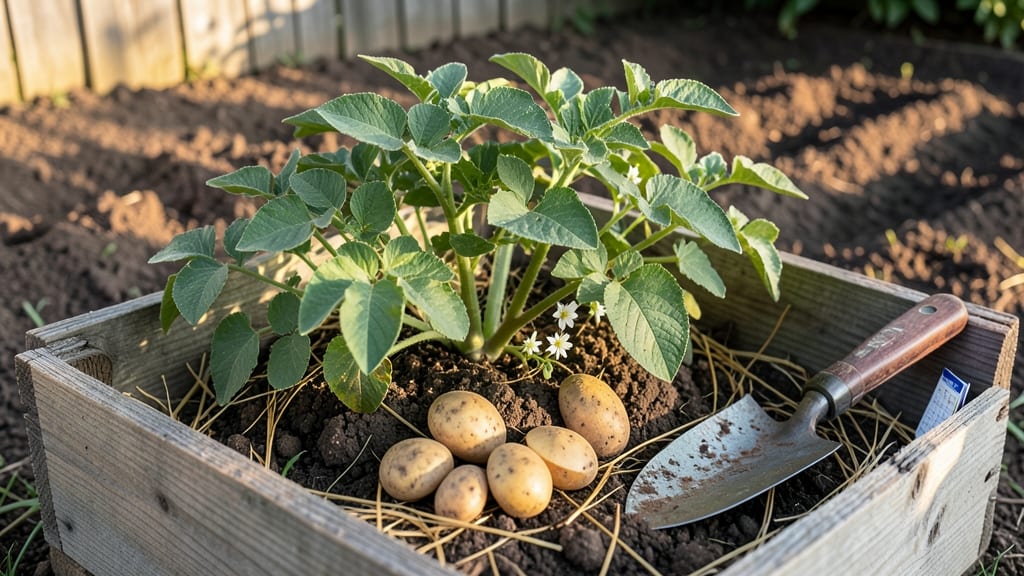
Planting potatoes in Ohio at the wrong time can mean the difference between a bountiful harvest and wasted seed potatoes.
The key is knowing exactly when to get them in the ground—typically 2 to 4 weeks before your last frost date, which usually lands in mid-April for most of the state.
I’ve learned the hard way that rushing or waiting too long can leave your 🥔 crop vulnerable to frost damage or stunted growth.
Ohio’s Zone 6a climate gives us a narrow window to work with, but with the right timing and soil prep, you can grow potatoes that thrive all season long.
Whether you’re planting early varieties like Yukon Gold or late-season Russets, understanding your local frost dates is the first step. I’ll walk you through Ohio-specific planting schedules, soil temperature tips, and how to adjust for unpredictable spring weather—so you never miss another growing season.
Ready to dig in? Let’s break down the exact weeks before last frost that will set your potato patch up for success, plus pro tips to handle Ohio’s ever-changing spring conditions.
Ohio’s last frost dates by region: when to plant potatoes for maximum yield
Ohio’s diverse climate means your planting schedule should match your region—whether you’re in frost-prone Cleveland or milder Cincinnati. For potatoes, timing is critical: plant too early, and frost will blacken your tubers; too late, and you’ll miss peak harvest.
Ohio’s last frost dates vary by 2–3 weeks across regions, so let’s break it down to help you plan.
Most of Ohio falls in USDA Zones 5–6, but microclimates create differences. The Ohio State University Extension tracks average last frost dates, but I recommend checking your local weather station for real-time updates.
For seed potatoes, aim to plant 2–4 weeks before the last frost—this gives tubers time to establish roots before soil warms.
Here’s the key: Northern Ohio (Cleveland, Toledo) has later frosts, while Southern Ohio (Columbus, Cincinnati) warms up faster. Use this comparison table to pinpoint your planting window based on your region and potato variety.
| Region | Avg Last Frost | Plant Early Varieties | Plant Mid Varieties | Plant Late Varieties |
|---|---|---|---|---|
| Northern Ohio (Cleveland, Toledo) | April 25–May 5 | March 15–April 1 | April 1–April 15 | April 15–May 1 |
| Central Ohio (Columbus) | April 15–April 25 | March 1–March 15 | March 15–April 1 | April 1–April 15 |
| Southern Ohio (Cincinnati) | April 5–April 15 | February 28–March 15 | March 1–March 15 | March 15–April 1 |
*Early varieties (e.g., Yukon Gold): 60–90 days to harvest; Mid (e.g., Kennebec): 90–110 days; Late (e.g., Russet Burbank): 110–130 days.
For early varieties, like Red Norland or Kennebec, you can start as early as late February in Cincinnati or mid-March in Cleveland. These 60–90-day potatoes are perfect for gardeners who want a quick harvest.
I like planting them in containers or raised beds to warm the soil faster and avoid cold snaps.
If you’re growing late varieties like Russet Burbank, wait until mid-April in Columbus or early May in Toledo. These 110–130-day potatoes need the entire growing season to mature, so planting too early risks frost damage to the foliage—though the tubers often survive if covered with mulch.
Pro tip: Soil temperature matters more than air temperature. Potatoes need soil at 45°F (7°C) to sprout. Use a soil thermometer to confirm—cold soil delays germination. In Northern Ohio, I’ve seen delays of 1–2 weeks if soil stays below this threshold.
Don’t forget: Ohio’s spring can be unpredictable. A late frost in May isn’t unheard of, especially in Zone 5 areas. To hedge your bets, use frost cloth or plant cold-hardy varieties like Adirondack Red if you’re worried about timing.
I’ve had success with these even when planting 2 weeks late.
For container gardening, adjust your timeline by 1–2 weeks earlier. Containers warm up faster, giving you a slight edge. Just ensure your pots have drainage holes and use a lightweight potting mix to avoid waterlogging—potatoes hate soggy roots.
Finally, mark your calendar for harvest time. Early varieties can be ready by late June in Cincinnati, while late varieties may need until September in Toledo.
Watch for yellowing foliage or flowers to know it’s time to dig. I like harvesting new potatoes (golf-ball sized) early for salads and saving larger ones for storage.
With these regional guidelines, you’ll avoid the #1 mistake Ohio gardeners make: planting too late. Start your seed potatoes indoors in late February if you’re in Southern Ohio, or wait until mid-March in the north. Your future harvest will thank you!
How to adjust planting time for Ohio’s unpredictable spring weather
Ohio’s spring weather can be as unpredictable as a whirlwind, leaving gardeners scrambling to adjust planting schedules. Late frosts in April or May can wipe out young potato plants if you’re not prepared. The key is flexibility—knowing how to extend your growing season and choose varieties that can handle cooler temps. If you’ve ever planted potatoes only to see frost damage a week later, you’re not alone. Cold-hardy varieties and protective measures like row covers can save your crop. Start by checking your local frost-free date (typically April 15 in most of Ohio) and plan to plant seed potatoes 2–4 weeks before that date. But if spring drags on, don’t panic—there are ways to delay planting safely without sacrificing yield. Here’s how Ohio gardeners can adapt their potato planting schedule when Mother Nature throws curveballs:🌱 3 Pro Tips for Adjusting Planting Time
- 📅 Plant in stages: Sow 1/3 of your seed potatoes 4 weeks before the last frost, then repeat every 2 weeks. This spreads out your harvest and reduces frost risk.
- 🛡️ Use row covers: Lightweight fabric can protect young plants from light frosts (28–32°F). Remove covers once plants are 6 inches tall to avoid overheating.
- 🌡️ Monitor soil temperature: Potatoes need soil at 45–50°F to sprout. Use a soil thermometer—if temps are too cold, wait or plant in a warm microclimate (like near a south-facing wall).
Pro tip: If frost threatens after planting, cover seedlings with burlap or cardboard and weigh it down. This can protect them from temps down to 25°F for short periods.