
How To
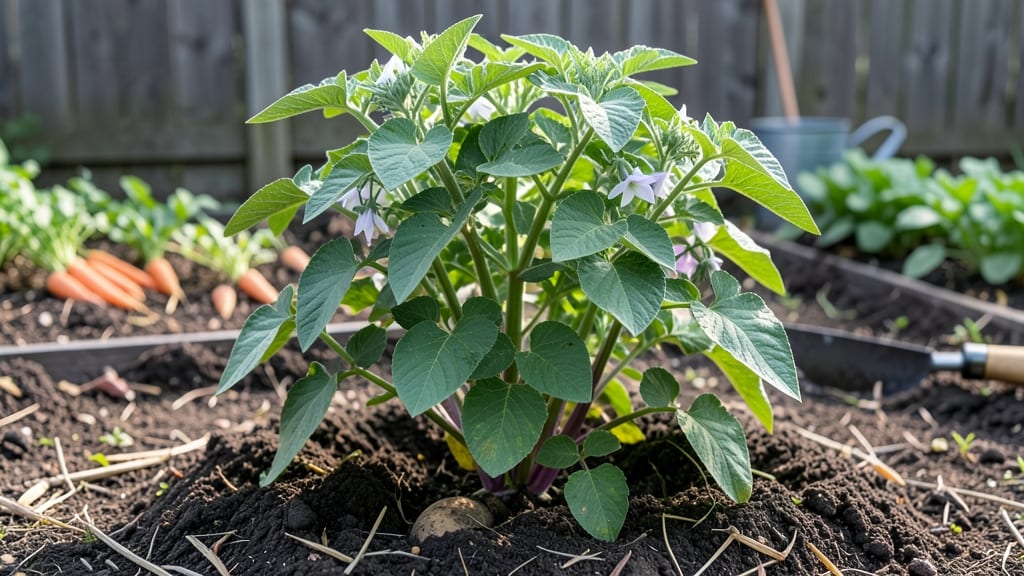
If you’ve ever planted potatoes and wondered how tall a potato plant can grow—or whether your small garden can handle them—you’re not alone.
Potato plants can grow anywhere from 8 inches to over 3 feet, depending on the variety and growing conditions, and knowing these heights is the key to planning your garden layout.
Standard varieties like Yukon Gold or Red Pontiac typically reach 2 to 3 feet, while dwarf types stay compact at just 12 inches. The difference isn’t just about aesthetics—it affects how much space you’ll need and whether you’ll want to train them up a trellis.
For beginners, understanding these ranges helps avoid overcrowding or wasted space.
In this guide, I’ll break down the exact height ranges for common potato varieties and share simple tricks to manage their growth—whether you’re working with a tiny balcony or a sprawling backyard.
You’ll learn how to keep vines in check, maximize yield, and even turn a 3-foot plant into a space-saving success.
Ready to grow potatoes without the guesswork? Let’s dive into the heights, varieties, and tips that’ll make your harvest easier—and your garden more organized.


Potato plant height by variety: exact growth ranges for common types
Potato plants are famously adaptable, but their height and vine spread can vary wildly depending on the variety. While some compact types stay under 12 inches tall, others stretch toward 3 feet or more.
Understanding these differences helps you plan your garden layout, choose the right varieties for your space, and avoid the chaos of sprawling vines invading your entire yard.
Most gardeners assume all potatoes need ample space to sprawl, but early-season varieties like Red Pontiac stay short and bushy, while late-season types like Russian Banana can become towering giants.
Even within the same category, fingerling potatoes might top out at 18 inches, while standard Russets can reach 36 inches or taller.
Here’s the key: Vine height ≠ tuber depth. Even tall vine varieties produce potatoes in the top 6–12 inches of soil, so you can hill soil around stems to encourage deeper growth without needing extra vertical space.
This trick works for both dwarf and giant varieties, making it easier to grow potatoes in containers, small gardens, or even urban balconies.
| Variety | Type | Vine Height | Spread (Width) | Space Needs | Best For |
|---|---|---|---|---|---|
| Red Pontiac | Early | 12–18" | 12–18" | Tight rows (12" apart) | Containers, small gardens |
| Yukon Gold | Mid-season | 18–24" | 18–24" | 18–24" apart in rows | General gardening, salads |
| Fingerling (e.g., Purple Peruvian) | Mid-season | 12–24" | 12–18" | Containers or 12" spacing | Urban gardens, roasting |
| Russet (Idaho) | Late | 24–36" | 24–36" | 36" apart in rows | Large gardens, baking |
| Russian Banana | Late | 36–48" | 36–48" | Trellis or wide rows | Vertical gardens, trellising |
| Kennebec | Mid-season | 18–24" | 20–24" | 18–24" spacing | Storage, frying |
*Vine height includes stems and leaves; tubers grow underground within the top 12 inches of soil.
If you’re working with limited space, prioritize early-season varieties like Red Pontiac or fingerlings, which stay under 2 feet tall and produce harvest-ready potatoes in 60–80 days.
These are perfect for container gardening or small raised beds, where you can place plants just 12 inches apart.
For larger gardens, late-season varieties like Russets or Russian Bananas reward patience with higher yields, but their 3–4 foot vines need more room to sprawl. Plant them 36 inches apart in rows or use trellises to train vines upward, saving ground space while maximizing tuber production.
Pro tip: Hilling soil around stems every 2–3 weeks encourages deeper tuber growth, regardless of vine height. This works for all varieties, from dwarf fingerlings to tall Russets, and prevents greening of tubers caused by sunlight exposure.
One common mistake is assuming taller vines mean bigger potatoes. In reality, vine height and tuber size are often independent traits. For example, Yukon Golds
Space-saving techniques to control potato plant height and spread
If your garden space is limited but you love the idea of growing potatoes, don’t worry—there are proven techniques to keep those vines in check.
Tall varieties like Yukon Gold can reach 3 feet or more, but with the right approach, you can maximize yield in even the smallest of spaces. The key is understanding how to redirect growth and optimize vertical space.
One of the most effective methods is trellising. By training potato vines to grow upward, you free up valuable ground space for other crops. This works especially well for container growing, where vines can climb a sturdy trellis or cage without sprawling.
Just ensure your trellis is at least 3 feet tall to accommodate taller varieties.
🌱 Space-Saving Techniques for Potato Plants
- 🪴 Trellising: Use a sturdy cage or netting to guide vines upward, saving ground space.
- 🌿 Hilling: Pile soil around stems every 2-3 weeks to encourage deeper tuber growth.
- 📦 Container Growing: Plant in deep pots (12+ inches) with drainage for compact varieties.
- ✂️ Pruning: Trim excess foliage to redirect energy to tuber production.
- 🌱 Succession Planting: Harvest early varieties to replant in the same space.
Hilling is another game-changer, especially for standard varieties like Red Pontiac. This technique involves piling soil around the base of the plant every 2-3 weeks, which encourages more tubers to form below ground. Not only does this keep vines from sprawling, but it also protects new potatoes from sunlight, preventing them from turning green and toxic.
For small gardens or urban setups, container growing is a lifesaver. Choose deep containers (at least 12 inches deep) with good drainage, and opt for dwarf varieties like Fingerlings or Red Norland, which stay under 2 feet tall.
Place containers in a sunny spot and keep soil consistently moist to encourage healthy growth.
If your potatoes still seem to be outgrowing their space, don’t hesitate to prune back excess foliage. Focus on removing the longest vines while leaving the main stems intact.
This redirecting of energy helps the plant focus on producing larger tubers rather than sprawling vines. Just avoid over-pruning, as this can reduce yield.
Finally, consider succession planting to make the most of your space. Early varieties like New Potatoes can be harvested in as little as 60 days, leaving room to replant with a second crop of mid-season varieties.
This way, you get two harvests from the same space without sacrificing height control.