
Plants
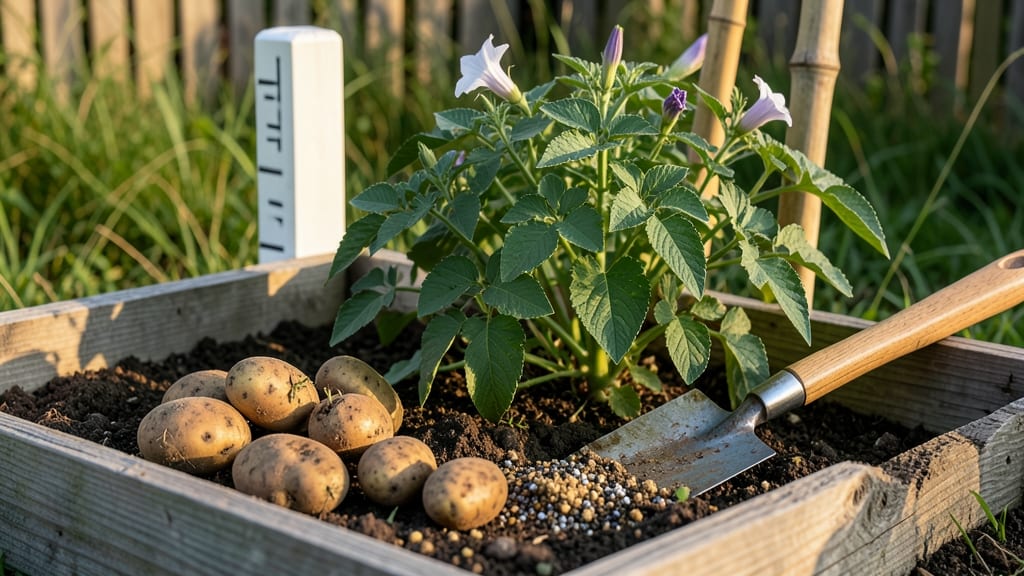
Planting potatoes in Ohio isn’t just about grabbing a bag of seed potatoes and sticking them in the ground—it’s about mastering the perfect timing to avoid frost damage and maximize your harvest.
With Ohio’s last frost date hovering around April 15 but varying by zone, getting it wrong means either waiting too long or risking your crop to a late freeze.
I’ve learned the hard way that soil temperature matters just as much as calendar dates—potatoes need soil that’s at least 45°F to sprout properly.
That’s why I’ve broken down the ideal planting windows for Ohio’s Zone 6a and beyond, so you can start your 🥔 early without worrying about a surprise frost.
Whether you’re growing early varieties like Red Pontiac or late-season Kennebecs, the key is knowing when to plant for your specific region.
I’ll walk you through the best months, soil prep tricks, and even how to extend your growing season with row covers—so you can enjoy a bumper crop from July to August.
Ready to stop guessing and start growing? Let’s dive into the exact frost-free timeline and variety recommendations that’ll turn your Ohio garden into a potato powerhouse.
Ohio potato planting calendar: exact frost-free dates by hardiness Zone
Ohio’s diverse climate means your last frost dates can vary by 10-14 days depending on whether you're in Zone 5a (northern) or Zone 7a (southern). Getting the timing right ensures your seed potatoes sprout before frost kills them—but not so early that they rot in cold, soggy soil.
Let’s break down the exact windows for each zone, including soil temperature thresholds and variety recommendations to maximize your harvest.
Potatoes thrive when soil temperatures reach 45°F (7°C) consistently, but they’ll rot if planted in cold, wet soil. In Ohio, this usually aligns with late March to early April, but your exact window depends on your zone.
For example, gardeners in Zone 5a (like Cleveland) often wait until mid-April, while those in Zone 7a (like Cincinnati) can start as early as late March. Always check a local frost date tracker or use the Ohio State University Extension frost maps for precision.
Here’s the key rule: Plant your seed potatoes 2-4 weeks before your last frost date. This gives them time to sprout and establish roots before the final freeze.
For early varieties (like Yukon Gold), you can push this window slightly earlier, while late varieties (like Kennebec) need the full buffer. Below, you’ll find a zone-by-zone breakdown with exact planting windows, soil temp targets, and variety tips to avoid common mistakes.
| Zone | Last Frost Date | Ideal Planting Window | Soil Temp Threshold | Best Varieties |
|---|---|---|---|---|
| 5a (e.g., Toledo, Cleveland) | April 15–20 | April 1–10 | 45–50°F (7–10°C) | Early: Red Norland, Kennebec Mid: Yukon Gold |
| 6a (e.g., Columbus, Dayton) | April 1–10 | March 20–April 1 | 45–50°F (7–10°C) | Early: Red LaSoda Mid: Fingerlings Late: Russet Burbank |
| 6b (e.g., Cincinnati, Akron) | March 25–April 5 | March 10–25 | 45–50°F (7–10°C) | Early: Red Pontiac Mid: Kennebec Late: Yukon Gold |
| 7a (e.g., Southern Ohio, Lexington) | March 15–25 | Late Feb–March 10 | 45–50°F (7–10°C) | Early: Early Rose Mid: Adirondack Red Late: Fingerlings |
In Zone 5a, where frosts linger longer, I recommend waiting until mid-April to plant, even if the soil feels workable earlier. Cold soil can stunt sprout growth, leading to poor tuber formation.
Use a soil thermometer to confirm temperatures are consistently above 45°F—this is your green light to plant. For Zone 7a, you can start as early as late February under row covers or in a cold frame to protect young plants from late frosts.
Choosing the right potato variety for your zone is just as critical as timing. Early varieties (like Red Norland) mature in 60–90 days, making them ideal for Zone 5a where summers are shorter. Mid-season types (such as Yukon Gold) take 90–110 days and work well in Zones 6a–7a. Late varieties (like Russet Burbank) need 110–130 days and are best suited for southern Ohio where the growing season extends later into fall.
Mixing varieties lets you stagger harvests and enjoy fresh potatoes all summer.
One common mistake Ohio gardeners make is planting too early without protection. If you’re eager to start in Zone 6a or colder, consider using black plastic mulch or straw mulch to warm the soil faster. Another trick? Plant seed potatoes in containers and move them outdoors only
Best potato varieties for Ohio’s climate and how to choose the right one
Ohio’s short growing season demands smart potato choices. The right variety can mean the difference between a bountiful harvest and wasted effort. With disease pressure and frost risks, selecting potatoes suited to Ohio’s USDA zones 5a-7a is critical.
Let’s break down the top performers and their risk vs. reward profiles for your garden.
First, consider maturity timing. Ohio’s frost-free season averages 165 days, so early varieties are safer bets. Late-season varieties push limits but reward patient gardeners with larger yields. Next, prioritize disease resistance—Ohio’s humid summers breed late blight and scab, so resistant varieties save headaches.
Finally, match your growing goals: storage potatoes, fresh eating, or specialty types.
For northern Ohio (zones 5a-6a), prioritize early varieties like Red Pontiac or Yukon Gold to avoid frost. Their 75-90 day maturity fits Ohio’s shorter season. Southern Ohio (zone 7a) gardeners can stretch to Kennebec for larger harvests, but plant by May 1st to ensure maturity before frost.
Fingerlings add flair but need well-drained soil to prevent rot.
Disease resistance is non-negotiable in Ohio. Late blight, the same pathogen that caused Ireland’s famine, thrives in Ohio’s humidity. Kennebec and Red Pontiac top charts for resistance, while Yukon Gold needs vigilant fungicide sprays if scab appears.
Rotate crops yearly to starve soil-borne pathogens. For organic gardens, copper sprays and compost tea help.
Match your growing conditions to the variety. Heavy clay soil? Fingerlings struggle—opt for Kennebec instead. Sandy soil? Yukon Gold’s moisture retention shines. Container gardeners should stick to early varieties like Red Pontiac, as they mature before heat stress sets in.
Always chit your seed potatoes (sprout them indoors) to jumpstart growth in Ohio’s cool springs.
Pro tip: Plant two varieties for a staggered harvest. Start with Red Pontiac in early April, then add Kennebec in late April. This spreads risk—if early frost hits, you still get a partial harvest.
Store extra Kennebec tubers in a cool, dark basement for winter meals. For specialty markets, Fingerlings fetch premium prices at farmers' markets.
Remember, Ohio’s climate is unpredictable. Even with the best variety, monitor weather forecasts. Use row covers to extend the season for late plantings, and always harvest before foliage yellows if frost looms. With the right choices, your potato patch can thrive—one spud at a time! 🥔