
Companion Plants
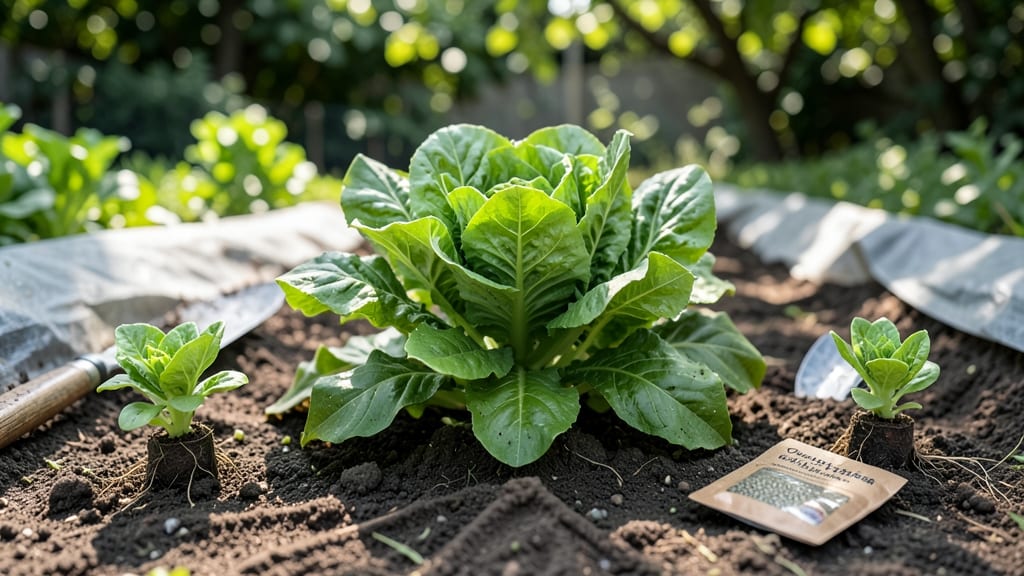
If you’ve ever planted 🥬 lettuce in Zone 6 only to watch it bolt or wilt before harvest, you’re not alone—timing is the secret weapon most gardeners miss.
The right window means crisp, flavorful leaves; the wrong one? Bitter disappointment. Here’s exactly when to plant for two perfect harvests: spring and fall.
For spring, aim to sow seeds 4-6 weeks before your last frost date—typically by early April in Zone 6 (General). This gives your lettuce time to mature before summer heat sets in. Fall planting? Wait until late August to avoid bolting, then enjoy fresh greens through October.
Direct sowing works best for lettuce, but if you’re transplanting, do it early in the season when soil temps are cool. Just remember: shade cloth in summer and consistent watering are your best friends for keeping those leaves crisp and delicious.
Let’s dive into the exact schedule so you can grow lettuce that’s ready to harvest when you are—no more guesswork, just garden-fresh perfection.
Zone 6 lettuce planting calendar: exact weeks before last frost for success
If you've ever planted lettuce in Zone 6 only to watch it bolt into bitter flowers or get nipped by frost, you're not alone. The key to success lies in understanding your last frost date and soil temperature thresholds.
In Zone 6, where average last frost dates fall around April 15, timing your lettuce planting within a 4-6 week window before this date ensures crisp, flavorful harvests.
Lettuce thrives in cooler temperatures, making spring and fall the ideal seasons. However, summer heat can quickly turn your tender leaves into sad, bitter scraps. By following this precise planting schedule, you'll avoid common pitfalls like premature bolting or frost damage while maximizing your harvest potential.
📅 Last Frost Dates for Zone 6:
- Average Last Frost: April 15
- Safe Planting Window: March 15 - April 15 (4-6 weeks before last frost)
- Fall Planting Window: August 1 - September 15 (6-8 weeks before first frost)
| Planting Window | Weeks Before Last Frost | Soil Temp Threshold | Ideal Planting Method | Expected Harvest |
|---|---|---|---|---|
| Early Spring | 4-6 weeks | 40-50°F (4-10°C) | Direct sow or transplant | May-June |
| Mid-Spring | 2-3 weeks | 50-60°F (10-15°C) | Direct sow only | June-July |
| Late Summer | 6-8 weeks | 50-60°F (10-15°C) | Direct sow or transplant | October-November |
| Early Fall | 4-6 weeks | 45-55°F (7-13°C) | Direct sow only | September-October |
For spring planting in Zone 6, start your lettuce seeds indoors 6-8 weeks before your last frost date. This gives you a head start on the season and helps you avoid the 30-50°F (1-10°C) temperature range that can stunt growth.
Transplant seedlings outdoors once soil temperatures reach a consistent 40°F (4°C).
If you're planning for a fall harvest, aim to plant your lettuce 8-10 weeks before your first frost date (around October 15 in Zone 6). This timing ensures your plants mature before cooler temperatures set in. Use shade cloth during hot summer days to protect young seedlings from bolting.
Succession planting is another game-changer for Zone 6 gardeners. By sowing new lettuce seeds every 2-3 weeks from March through September, you'll enjoy a continuous supply of fresh leaves. Just be sure to space your plantings carefully—overcrowding leads to pale, leggy lettuce with poor flavor.
One common mistake I see is planting lettuce too early in spring when soil temperatures are still too cold. Lettuce seeds need consistent moisture and warm soil (at least 50°F/10°C) to germinate properly.
If your soil is still chilly, wait a few more weeks or use a seedling heat mat to speed up germination.
For heat-tolerant varieties, consider planting Romaine or Buttercrunch lettuce in late summer. These varieties can handle slightly warmer temperatures and are less likely to bolt. Always provide afternoon shade during the hottest months to keep your lettuce crisp and sweet.
Remember, lettuce is a cool-season crop, so avoid planting it during the peak of summer when temperatures exceed 75°F (24°C). Instead, focus on spring and fall plantings to enjoy the best flavor and texture. With this precise planting schedule, you'll be harvesting fresh, crisp lettuce all season long!
How to extend your lettuce harvest in Zone 6: fall planting tips and heat tolerance hacks
Fall is your secret weapon for crisp lettuce harvests in Zone 6—when summer heat fades and temperatures drop just enough to coax tender leaves. The key? Planting at the right time and using heat tolerance hacks to prevent bolting.
I’ve grown lettuce in late summer for years, and these strategies have kept my garden producing well into October.
Zone 6’s warm spells (think 80-90°F) can still linger into August, but lettuce thrives when soil temps dip below 75°F. That’s why I focus on late August to early September plantings—just enough time for roots to establish before cooler weather arrives. The goal? Beat the heat while avoiding early frost.
- 🌡️ Wait for soil temps below 75°F—use a soil thermometer to confirm. Planting too early in August risks bolting from residual heat.
- 🌿 Choose heat-tolerant varieties like Romaine, Buttercrunch, or Oakleaf—they handle short heat spells better than delicate varieties like Iceberg.
- ☀️ Provide afternoon shade with floating row covers or lightweight shade cloth (30-50%) to protect young plants from intense midday sun.
- 💧 Water deeply in the morning—lettuce needs 1-2 inches of water weekly, but even moisture prevents stress. Use drip irrigation to keep leaves dry.
- 🌱 Succession plant every 2 weeks—sow small batches from mid-August to early September for a staggered harvest through October.
Bolting is the #1 enemy of fall lettuce, but consistent moisture and shade can delay it. I’ve had success with drip irrigation on timers—it keeps roots hydrated without wetting foliage, which reduces disease risk. Pair that with mulch (straw or grass clippings) to retain soil moisture and cool roots.
For maximum shade, I use removable shade cloth over young seedlings. Once temps drop below 80°F consistently, I roll it up and let the plants bask in morning sun (6 AM–10 AM) while avoiding the hot afternoon rays.
This balance keeps leaves crisp and sweet instead of bitter or tough.
Harvest timing is crucial—aim to pick lettuce 45-60 days after planting, but check leaves weekly. Use scissors or a sharp knife to cut outer leaves, leaving the inner growth intact. This method gives you multiple harvests over 4-6 weeks, extending your season well past the first frost.
Pro tip: Save seeds from your best-performing plants! If a variety thrives in your Zone 6 fall garden, let a few heads bolt naturally and collect seeds for next year. This way, you’ll have locally adapted lettuce that’s already proven to handle your microclimate.