
Companion Plants
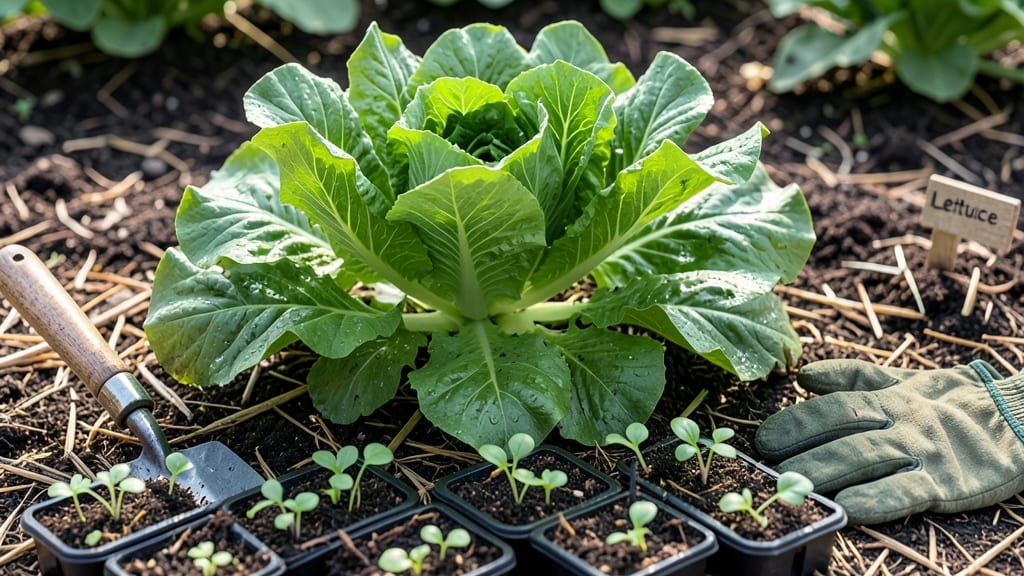
To plant lettuce in Zone 7 without ending up with bitter, bolted greens, timing is everything—and the 4-6 weeks before your last frost is your golden window.
Whether you're sowing seeds in early spring or late summer for a fall harvest, getting this right means crisp, sweet leaves instead of disappointment.
I’ve learned the hard way that Zone 7’s unpredictable springs and scorching summers demand precision. Plant too early, and frost zaps your seedlings; too late, and the heat sends your lettuce 🥬 shooting up flowers faster than you can say "bolting."
The key? Start seeds indoors or use shade cloth to protect young plants from summer’s wrath.
Here’s what you need to know: For spring, aim for March 15–April 1 (about 4–6 weeks before Zone 7’s average last frost), while fall plantings should go in by August 15 to mature before frost hits.
Succession planting every 2 weeks ensures a steady supply of fresh greens all season long.
Ready to avoid the common mistakes? I’ll walk you through soil prep, frost dates, and even how to trick your lettuce into staying crisp through summer’s heat—so you can enjoy homegrown salads from May through November without the stress.
Zone 7 lettuce planting calendar: exact weeks before last frost for success
Timing your lettuce planting in Zone 7 is all about beating the heat and frost—sweet, crisp lettuce thrives when sown at the right moment.
In this region, your last frost date typically falls between March 15 and April 15, while the first fall frost arrives around October 15-November 15. Planting too early risks bolting, while waiting too late can leave you with bitter leaves.
Let’s break down the perfect windows for both spring and fall harvests.
For spring lettuce, aim to sow seeds 4-6 weeks before your last frost date. This means starting in late February to early March for a May-June harvest.
If you’re transplanting starts, wait until 2-3 weeks before last frost (around mid-March) to give them time to establish roots. For fall lettuce, focus on late summer planting—sow seeds in August for a September-October harvest before frost sets in.
Here’s your Zone 7 lettuce planting calendar at a glance, including ideal varieties for each season and frost-sensitive timing:
For spring planting, focus on cool-season varieties like butterhead or romaine, which handle 45-65°F soil temperatures perfectly. Start seeds indoors in early February if you want a head start, then transplant outdoors after the soil warms slightly.
If you’re sowing directly, use row covers to protect young seedlings from unexpected late frosts in March.
In fall, heat-tolerant varieties like Black Seeded Simpson or Jericho are your best bets—they can handle soil temps up to 85°F before bolting. Plant in late August for a September-October harvest, and consider succession planting every 2 weeks to extend your harvest into November.
Use shade cloth in late summer to prevent bolting if temperatures soar above 80°F.
Pro tip: Soil temperature is just as critical as air temperature. Use a soil thermometer to confirm your soil is 45-85°F before planting—lettuce roots struggle in colder or overheated soil. In Zone 7, this usually aligns with March-April for spring and August-September for fall.
Don’t forget about succession planting! For continuous harvests, sow a new batch of seeds every 2-3 weeks during your planting window. This ensures you’re always enjoying fresh, crisp lettuce without gaps. Pair this with partial shade (4-6 hours of sun) to keep leaves tender and avoid bitterness.
If you’re new to lettuce growing, start with leaf lettuce varieties like Oakleaf or Red Sails—they’re forgiving and bolt-resistant. For romaine, opt for Parris Island, which holds up well to Zone 7’s humidity and stays crisp longer.
Always harvest outer leaves first to encourage regrowth and avoid cutting into the heart too deeply.
Finally, watch for early signs of bolting—tall stems and yellowing leaves mean it’s time to harvest or pull the plant. In Zone 7’s heat, bolting is the #1 enemy of sweet lettuce, so timing is everything.
With this planting calendar, you’ll be feasting on homegrown greens from May through November—no bitter aftertaste in sight!
How to extend your lettuce season in Zone 7: avoiding bolting and bitter taste
Zone 7 gardeners know that summer heat turns sweet lettuce into bitter, bolted disappointment—but with the right strategies, you can enjoy crisp harvests well into fall and even winter. The key is extending your season using protective tools and heat-tolerant varieties that thrive when temperatures dip.
Let's explore how to keep your lettuce happy and productive long after most gardeners have given up.
One of my favorite tricks is using row covers or cold frames to shield lettuce from late-summer heat waves. These simple tools create a microclimate that keeps soil temperatures cool and prevents bolting.
Pair them with shade cloth (30-50%) during the hottest afternoons, and you'll be amazed at how well lettuce performs when protected from direct sun.