
Plants
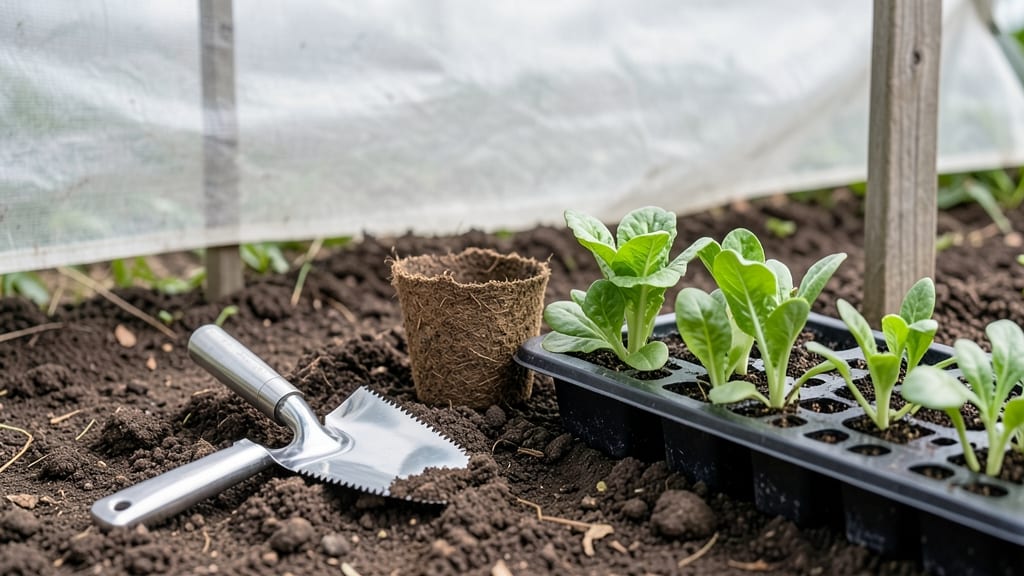
Timing your fall lettuce planting in Zone 6 is the difference between crisp, flavorful harvests and bitter, bolted greens. The exact window—mid-August to early September—lets you beat frost while giving plants enough time to mature before cold sets in.
Most gardeners in 6a-6b miss the mark by planting too late, leaving them with stunted growth or no harvest at all. But with the right schedule, you can enjoy fresh 🥬 straight from your garden through October and November, even after the first frost.
Whether you're direct sowing or transplanting, the key is understanding your local frost dates and choosing varieties that thrive in cooler weather. I’ll break down the best methods to extend your season and avoid common mistakes that ruin fall lettuce.
Ready to grow lettuce that’s sweeter and more resilient? Let’s dive into the perfect planting timeline and tips to keep your harvest going until winter arrives.
Zone 6 fall lettuce planting timeline: weeks before frost for perfect harvests
Fall lettuce thrives in Zone 6 when planted at the right time—too early, and you’ll battle bolting; too late, and frost ruins your crop. The key is timing your 6-8 weeks before the first frost (typically mid-August to early September in Zone 6).
This ensures crisp, flavorful leaves before hard freezes hit (28-32°F). Let’s break down the exact schedule for both leaf lettuce (cut-and-come-again) and head lettuce (romaine, iceberg).
In Zone 6, the average first frost date is October 15, but local microclimates can shift this by 1-2 weeks. Use your last frost date (April 15) as a reference—count backward to determine your planting window.
For example, planting August 15-31 gives you a harvest window from late September to November, just before winter sets in. This timing also avoids the summer heat stress that causes lettuce to bolt prematurely.
Here’s your data-driven planting timeline, including variety-specific recommendations and frost-free strategies:
For leaf lettuce, you can extend your harvest by succession planting every 2 weeks from August through mid-September. This ensures a continuous supply of baby greens until frost. Varieties like Salad Bowl and Black Seeded Simpson are excellent choices—they’re heat-tolerant and bolt-resistant.
Start seeds indoors in late July if you want a head start, then transplant outdoors after soil temperatures drop below 80°F.
If you’re growing head lettuce, prioritize varieties like Winter Density or Parker, which mature in 45-55 days and handle cooler temperatures better. These varieties can even survive light frosts, giving you a few extra weeks of harvest.
Plant them 3-4 weeks later than leaf lettuce (around late August) to align with their longer maturity window.
Pro tip: Monitor your local frost dates using the USDA Plant Hardiness Zone Map or a frost calendar for your specific county. In Zone 6, the first hard frost (below 28°F) typically arrives in late October or November, but urban areas may experience frost earlier.
Adjust your planting timeline accordingly—if your area tends to frost earlier, shift your schedule 1-2 weeks earlier.
To maximize your fall lettuce success, pair your planting schedule with proper soil prep. Lettuce prefers well-draining, fertile soil with a pH of 6.0–7.0. Amend your garden beds with compost or aged manure 2–3 weeks before planting to provide essential nutrients.
Avoid fresh manure, which can cause boltiness due to high nitrogen levels. Mulch with straw or shredded leaves to retain moisture and suppress weeds, which is especially critical as temperatures drop.
Finally, don’t forget to harvest strategically. For leaf lettuce, pick outer leaves when they reach 4–6 inches tall, leaving the inner growth to continue producing. For head lettuce, harvest the entire plant when the head feels firm and crisp.
If frost threatens, cover your lettuce with a lightweight row cover or even an old blanket to protect it overnight. This can buy you an extra
How to extend your fall lettuce season in Zone 6: cold hardiness hacks
Zone 6 gardeners know that fall lettuce can be a hit-or-miss harvest. The key to crisp, flavorful greens lies in extending your growing season with smart cold-hardiness strategies. By using frost-tolerant varieties and protective techniques, you can push harvests well into November—or even December—before hard freezes strike.
One of my favorite tricks is planting Winter Density or Arctic King lettuce. These varieties are bred to withstand light frosts (25-28°F) and even produce sweeter flavors after a frost.
Pair them with row covers or low tunnels, and you’ll be harvesting fresh greens when most gardens have given up for the year.
⚠️ Extending Fall Lettuce Season: Pros and Cons
Row Covers
- ✅ Pros: Protects from light frost (down to 25°F)
- ✅ Pros: Extends season by 3-4 weeks
- ❌ Cons: Requires sturdy hoops for support
- ❌ Cons: Can trap excess moisture if not ventilated
Succession Planting
- ✅ Pros: Ensures continuous harvests
- ✅ Pros: Staggered maturity dates prevent bolting
- ❌ Cons: Requires extra space for multiple plantings
- ❌ Cons: Labor-intensive weekly sowing
Cold-Frame Planting
- ✅ Pros: Protects from hard frosts (20°F)
- ✅ Pros: Warms soil for early spring starts
- ❌ Cons: Needs regular monitoring for ventilation
- ❌ Cons: Higher initial cost for materials
Another game-changer is succession planting. Instead of one big planting, sow lettuce seeds every 2-3 weeks from mid-August through early September. This ensures a steady supply of fresh greens, as later plantings mature just as earlier ones bolt from cooling temperatures.
For example, plant Romaine in early August for a late October harvest, then follow with Buttercrunch in late August for a November pick.
To delay bolting, focus on soil temperature management. Lettuce bolts when exposed to consistent temperatures above 75°F. Use black plastic mulch or straw mulch to keep roots cool.
I’ve found that mulching also retains moisture, reducing the need for frequent watering—a common issue in late-season gardens when rainfall decreases.
Don’t overlook harvest timing as temperatures drop. In Zone 6, aim to harvest leaf lettuce before hard frosts (below 28°F) by cutting outer leaves. For head lettuce, pick just before the first frost for the crispest texture.
If a frost is forecast, cover plants with lightweight row fabric and harvest the next morning for the freshest greens.
With these cold-hardiness hacks, you’ll enjoy crisp, flavorful lettuce long after your neighbors have packed up their gardens. The secret? Combine the right varieties, protective measures, and a little extra care to beat the frost—one leaf at a time. 🥬