
Plants
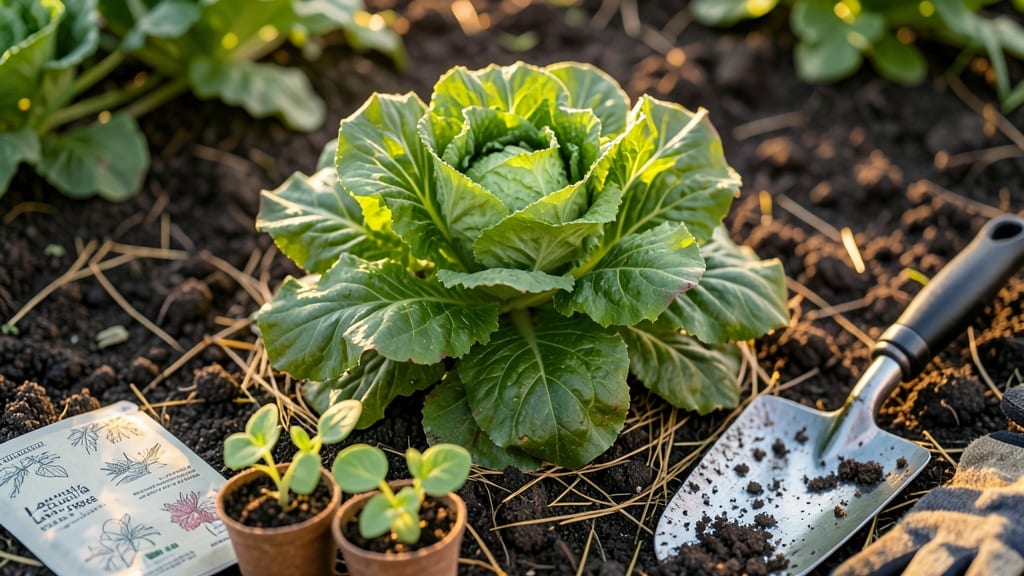
Planting lettuce 🥬 in Georgia’s 7b-8b climate isn’t just about timing—it’s about outsmarting the heat before your crisp greens turn bitter or bolt. The wrong window means wilted disappointment instead of fresh salads, but get it right, and you’ll enjoy harvests from spring through fall without the stress.
Most gardeners assume summer’s off-limits for lettuce, but Georgia’s unique microclimates actually allow for two prime planting seasons—spring and fall—with a few clever tricks to stretch your growing window.
The key? Starting seeds 4-6 weeks before your last frost date (typically mid-March) and making the most of cooler months when temperatures dip below 80°F.
I’ve tested these strategies in my own garden, and the difference between a thriving patch and a sad, bolted mess comes down to soil prep, shade, and succession planting.
Whether you’re a first-time gardener or a seasoned pro, these proven techniques will help you grow lettuce that stays sweet and crisp—no matter how hot it gets.
Ready to skip the guesswork? Let’s break down the exact planting calendar, heat-beating hacks, and variety choices that work best in Georgia’s Zone 8A/7B. Your next perfect salad is just a few weeks away.
Optimal lettuce planting calendar for Georgia’s heat zones 8A/7B
Georgia’s USDA Zones 8A/7B offer unique challenges and opportunities for growing lettuce. Unlike cooler climates, the key is avoiding summer heat while capitalizing on spring and fall windows when temperatures stay mild.
The average last frost date in Georgia is around March 15, while the first frost typically arrives by November 15. This gives you a 210-day frost-free window—perfect for strategic planting.
For leaf lettuce varieties like Buttercrunch or Oakleaf, you can stretch the season further, but head lettuce (like Iceberg or Romaine) demands cooler conditions. The goal? Plant when soil temperatures stay below 75°F to prevent bolting (the bitter, flower-producing phase lettuce hates).
⚠️ CRITICAL INSIGHT: Georgia’s summers are simply too hot for traditional lettuce—even shade won’t save it from bolting. Instead, focus on spring and fall plantings, with a possible winter crop in Zone 8A’s milder microclimates.
| Season | Planting Window | Soil Temp | Harvest Window | Best Varieties |
|---|---|---|---|---|
| Spring | February–March (4–6 weeks before last frost) | 40–65°F | April–June | Romaine, Buttercrunch, Bibb |
| Fall | August–September (8–10 weeks before first frost) | 50–70°F | October–December | Oakleaf, Red Sails, Looseleaf |
| Winter (Zone 8A only) | November (lightly mulched) | 45–60°F | January–February | Winter Density, Arctic King |
Spring planting is your best bet for a summer harvest. Start seeds indoors in January or direct-sow in February for transplanting after the last frost. For a fall crop, sow seeds in late July or August—this gives lettuce time to mature before temperatures rise again in September.
If you’re in Zone 8A (warmer microclimates like Savannah or Athens), you can experiment with a winter crop by planting in November and using row covers or cold frames to protect against light frosts. Just avoid planting too early—soil must be at least 45°F for germination.
For succession planting, sow new seeds every 2–3 weeks during your chosen season. This ensures a continuous harvest instead of a single overwhelming bounty.
For example, in spring, plant a batch in February, another in March, and a final one in early April for staggered harvests through June.
Pro tip: Use shade cloth (30–50%) if planting in late spring or early fall when temperatures hover around 70–75°F. This buys you 2–3 extra weeks of growing time before bolting kicks in.
Pair this with drip irrigation to keep soil consistently moist—lettuce hates drought stress, which speeds up bolting.
Remember, heat-tolerant varieties like Jericho or Black Seeded Simpson can handle slightly warmer conditions (up to 80°F), but they’re still no match for Georgia’s peak summer heat. Save these for late summer plantings in partial shade.
Finally, always check your local frost dates—they can vary by 1–2 weeks depending on your exact location in Georgia. Use the Georgia Climate Project or your local Cooperative Extension Service for hyper-local advice.
How to extend lettuce growing season in hot Georgia summers
Georgia’s summer heat can turn your lettuce dreams into a bitter disappointment, but with the right strategies, you can grow crisp, flavorful greens even when temperatures soar. The key lies in cooling methods, heat-tolerant varieties, and smart planting schedules that work with—not against—the climate.
I’ve grown lettuce successfully in Zone 8A/7B summers by combining shade solutions, mulching, and succession planting, and I’ll share my top techniques to keep your lettuce thriving when others give up.
Most gardeners assume summer lettuce is impossible, but the truth is, you can extend your growing season with passive cooling (like shade cloth) and active cooling (like mulch and drip irrigation). Heat-tolerant varieties like Romaine and Buttercrunch are your best bets—they handle Georgia’s peak temps better than delicate varieties.
Let’s dive into the proven methods that have worked in my garden and can work in yours.
- Use 30-50% shade cloth to block 30-50% of sunlight during peak heat (11 AM–3 PM). This mimics cooler conditions and prevents bolting. My favorite is white shade cloth—it reflects heat while still allowing light for growth.
- Mulch with straw or wood chips to keep soil temps below 75°F. A 3-inch layer acts like insulation, reducing heat stress. I apply mulch right after planting to see the best results.
- Plant heat-tolerant varieties like Romaine or Buttercrunch. These hold up better in 85°F+ temps than butterhead or loose-leaf types. Seed packets often label heat tolerance—look for it!
- Succession plant every 2-3 weeks in late summer (August–September) for staggered harvests. This ensures a continuous supply without overwhelming your garden at once.
- Water deeply in the morning (1–1.5 inches per week) to encourage deep root growth. Avoid evening watering—it promotes fungal diseases in Georgia’s humidity.
One of the biggest mistakes I see is skipping shade cloth because it seems complicated, but trust me—it’s a game-changer. A 30% shade cloth reduces soil temperature by 10-15°F, which is enough to prevent bolting. I drape it over a simple hoop frame or trellis, securing it with clips.
For active cooling, I combine shade with drip irrigation set on a timer to keep roots moist without wetting leaves (which invites disease).
If you’re short on space or tools, mulching is your best friend. Organic mulch like straw or wood chips breaks down slowly, adding nutrients to the soil while keeping it cool. I’ve seen soil temps drop by 20°F within hours after applying a fresh layer.
Pair this with succession planting, and you’ll have lettuce ready to harvest even in July. Start with small batches—say, 10 plants every 2 weeks—to test what works best in your microclimate.
Don’t overlook container gardening for summer lettuce. Pots heat up faster than garden beds, but they also allow you to move plants to shadier spots as needed. Use black or dark-colored containers to absorb heat during the day and release it slowly at night.
I’ve grown Little Gem lettuce in 12-inch pots with great success, harvesting crisp leaves for months. Just remember to water containers daily in peak heat—they dry out faster than in-ground soil.
Finally, keep an eye on your lettuce’s growth cues. If leaves start turning bitter or yellowing, it’s a sign of heat stress. At this point, harvest what you can and give the plants more shade immediately.
With these strategies, you’ll enjoy fresh lettuce from spring through fall, even in Georgia’s hottest months. The secret? Work with the heat instead of fighting it—and your garden will reward you with crisp, flavorful greens all season long.