
Plants
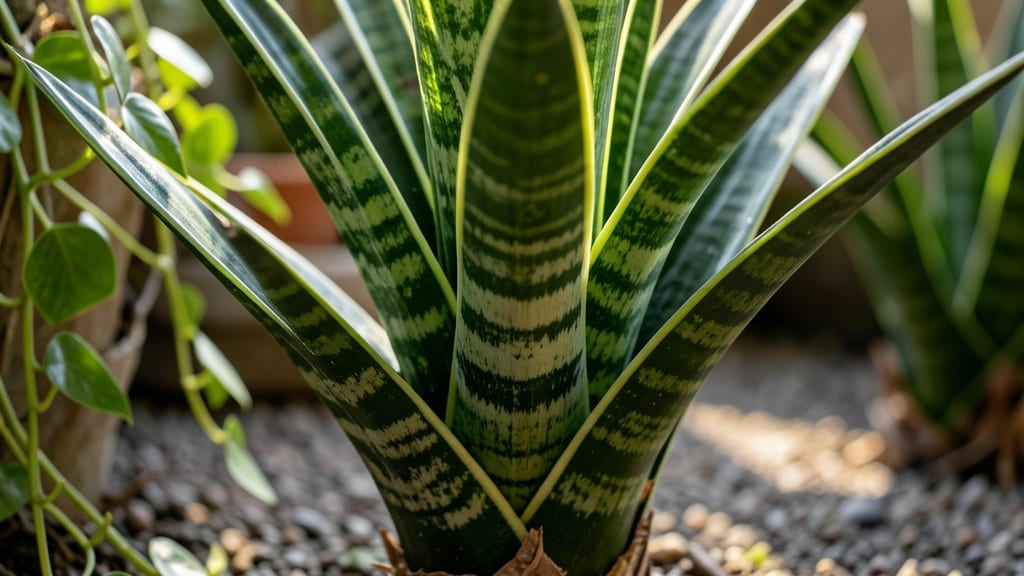
Wondering how tall your 🌱 Snake Plant will grow before it becomes a ceiling hazard? The answer depends more on the variety you’ve got than you might think, and I’ll break down the exact height ranges you can expect indoors.
Most Snake Plants mature between 2 and 4 feet, but some dwarf varieties stay under 1 foot—so your plant’s future height isn’t just luck.
Whether you’re dealing with the classic Sansevieria trifasciata or a compact 'Hahnii' variety, light exposure and pot size play surprisingly big roles in how tall (or short) it stays.
If you’ve ever struggled with a leggy Snake Plant stretching toward the sun, don’t worry—there are simple ways to control its growth. From pruning tips to the best light conditions, I’ll show you how to keep your plant at your ideal height without sacrificing its health.
Ready to stop guessing and start growing? Let’s dive into the facts—because your Snake Plant’s height isn’t just about time, it’s about how you care for it.


Snake plant height limits: expected indoor growth by variety
If you’ve ever measured your snake plant and wondered, "How tall will this grow?" the answer depends entirely on the variety and your indoor conditions. Snake plants (Sansevieria trifasciata and hybrids) are famously slow-growing, but some varieties stretch taller than others.
Understanding these height limits helps you plan your space—whether you’re keeping it on a shelf or prepping for a ceiling-high statement plant.
The standard snake plant (Sansevieria trifasciata 'Laurentii') typically reaches 2–4 feet tall indoors, but dwarf varieties like 'Hahnii' stay under 1 foot. Growth rates also vary—some varieties grow just 2–3 inches per year, while others can add 6+ inches annually with ideal care.
Let’s break down the expected heights by popular variety and how to influence their growth trajectory.
🌱
| Variety | Mature Height (Indoors) | Growth Rate (Annual) | Key Traits |
|---|---|---|---|
| Sansevieria trifasciata 'Laurentii' | 3–4 feet | 3–6 inches | Classic variegated leaves; fast-growing for snake plants |
| Sansevieria 'Futura Superba' | 2–3 feet | 2–4 inches | Thick, upright leaves; compact growth habit |
| Sansevieria 'Hahnii' (Bird’s Nest) | 6–12 inches | 1–2 inches | Dwarf variety; rosette shape; slowest grower |
| Sansevieria 'Moonshine' | 2–3 feet | 3–5 inches | Bright yellow-green leaves; medium growth |
| Sansevieria 'Black Gold' | 2–3 feet | 2–4 inches | Dark, almost black foliage; slow to moderate growth |
The 'Hahnii' variety is the exception—its dwarf stature makes it perfect for desks or shelves, while 'Laurentii' and 'Moonshine' can become floor plants if given enough time and optimal conditions.
Even slow growers like 'Black Gold' will eventually reach their height potential if you provide bright indirect light and well-draining soil.
Light is the #1 factor influencing height. Place your snake plant near an east or west-facing window for 4–6 hours of sunlight daily. Without enough light, leaves grow taller but thinner (a sign of etiolation), while too much direct sun can scorch the tips.
Balance is key—aim for medium to bright indirect light to encourage compact, healthy growth.
🌿
Pot size also plays a role. Snake plants are root-bound tolerant, but cramped roots can stunt growth. Repot every 2–3 years or when roots circle the pot.
Choose a container that’s only 1–2 inches wider than the current root ball—larger pots hold excess moisture, which can rot roots and slow growth. Use a fast-draining mix (cactus/succulent soil + perlite) to prevent soggy soil.
Watering habits indirectly affect height. Overwatering stresses the plant, causing it to grow slowly or unevenly, while underwatering triggers dormancy and stunted growth. Stick to the soak-and-dry method: water deeply when the top 2–3 inches of soil are dry, then let excess drain completely.
In winter, reduce watering to every 4–6 weeks—growth naturally slows during dormancy.
✂️
Pruning isn’t just for shaping—it can control height. If your snake plant becomes leggy, trim the tallest leaves at the base using sterilized scissors. The plant will redirect energy to shorter, bushier growth.
You can also propagate the cuttings in water or soil to grow new plants. Just avoid pruning more than 20% of the foliage at once to prevent stress.
Finally, temperature matters. Snake plants thrive in 65–85°F, but growth slows below 55°F. If your home dips into the cool range (common in winter), expect minimal height gain until temperatures rise. A heat mat under the pot can encourage spring growth if you’re eager to see faster results.
🌳
How to control snake plant height: pruning, light & pot size tips
Snake plants (Sansevieria) are slow growers, but their height can still become unruly if left unchecked. Understanding how to manage their growth ensures they stay within your desired space—whether that’s a sleek 3-foot indoor accent or a lush 4-foot outdoor statement.
The key lies in three factors: pruning techniques, light exposure, and pot size selection. Let’s break down how each influences your plant’s height and what you can do to keep it in check.
Most snake plant varieties, like the classic ‘Futura Superba’ or ‘Laurentii’, reach their mature height of 3-4 feet over 3-5 years with proper care. However, their growth rate accelerates when they receive too much light or are root-bound in small pots.
Without intervention, leggy stems and elongated leaves can push your plant toward the ceiling—literally. The good news? You have full control over this with simple adjustments.
Snake plants store water in their leaves, so aggressive pruning can stress the plant or even kill it. Never remove more than 1/3 of the foliage at once. Always use sterilized pruners to prevent disease, and avoid cutting into the thick, fleshy base—this is where new growth emerges.
Start by pruning leggy stems to encourage bushier growth. When you spot a stem that’s stretched taller than 2 feet, use clean pruning shears to cut it just above the soil line.
This redirects energy to shorter, healthier stems. For ‘Hahnii’ (Bird’s Nest Snake Plant), which stays compact at 1-2 feet tall, pruning is rarely needed—focus instead on light control to prevent stretching.
Light is the #1 factor controlling snake plant height. These plants thrive in bright, indirect light but will elongate dramatically if placed in low-light conditions.
If your plant is stretching toward a window, move it closer to an east- or west-facing window for 4-6 hours of filtered sunlight daily. Avoid south-facing windows unless you use a sheer curtain to diffuse harsh rays—too much direct sun can scorch leaves and accelerate growth.
Pot size plays a surprising role in height control. Snake plants grow taller when root-bound, as their roots signal the plant to stretch upward for more nutrients. To keep them compact, repot every 2-3 years into a container that’s only 1-2 inches larger in diameter than the previous one.
Use a well-draining cactus/succulent mix with perlite or sand to prevent root rot, which can stunt growth entirely. A terracotta pot is ideal—it allows excess moisture to evaporate quickly.
Common mistakes that lead to towering snake plants include overwatering, which causes weak, spindly growth, and using fertilizer too frequently, which promotes rapid (but often leggy) expansion.
Stick to a balanced 10-10-10 fertilizer once every 6-8 weeks during spring and summer, and skip fertilization entirely in fall and winter. Pair this with deep watering every 2-3 weeks (let the top 2 inches of soil dry out between waterings) to maintain a sturdy structure.
With these strategies, you’ll keep your snake plant at an ideal height—whether you prefer a low, bushy look or a tall, architectural statement. The secret is consistency: prune regularly, monitor light exposure, and choose the right pot size.
Your plant will thank you with thicker leaves, slower growth, and a healthier overall shape—all while staying within your desired height limits. 🌱