
Plants
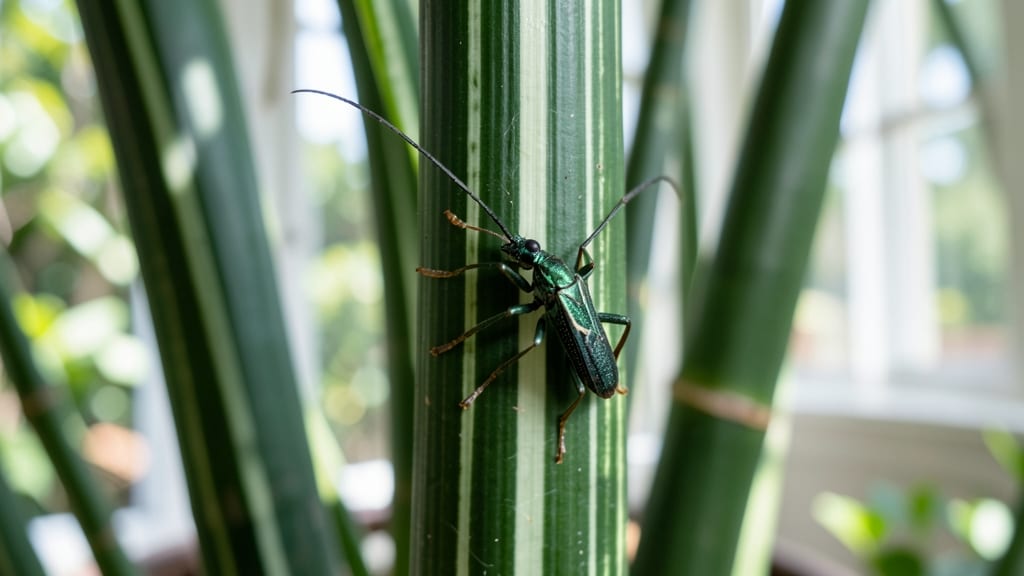
If you’ve ever wondered just how tall your snake plant 🌱 could grow, the answer might surprise you—some varieties stretch toward the ceiling while others stay neatly compact.
Knowing these height ranges helps you plan your space and care routine, because a 4-foot tower looks dramatically different from a 2-foot bush.
Most snake plants mature between 2 and 4 feet, but their final height depends on the variety, pot size, and how much light they receive. For example, the classic Sansevieria trifasciata often reaches 3 to 4 feet, while dwarf varieties like 'Hahnii' stay under 2 feet.
This flexibility makes them perfect for everything from small apartments to large offices.
What’s even more interesting? Their growth rate slows dramatically after the first few years, so patience pays off. Whether you’re dealing with a leggy giant or a compact beauty, understanding these growth patterns lets you control their size—whether through pruning or smart placement.
Ready to learn how to keep your snake plant at your ideal height? I’ll break down the key factors—from light exposure to pruning tips—that make all the difference in how tall (or short) your plant stays.


Snake plant height ranges by popular varieties (with growth charts)
If you’ve ever wondered, "How tall does a snake plant grow?", the answer depends entirely on the variety you choose. Some snake plants (Sansevieria) stay compact and bushy, while others can tower over your living room like architectural greenery.
Understanding these height ranges helps you pick the perfect fit for your space—whether you want a low-profile desk buddy or a dramatic floor statement.
Most snake plants reach their mature height within 3-5 years, though growth slows significantly after the first two years. The key factor? Genetics. Some varieties are naturally dwarf, while others stretch skyward.
Below, I’ve broken down the height expectations for the 10 most popular snake plant varieties, including their growth trajectories and ideal care conditions to maximize (or control) their height.
| Variety | Mature Height | Growth Rate (Year 1-2) | Ideal Light | Height Tip |
|---|---|---|---|---|
| Sansevieria trifasciata 'Laurentii' | 2–3 ft | 6–12 in/year | Bright indirect | Grows upright; prune to encourage bushiness |
| Sansevieria cylindrica 'Moonshine' | 1–2 ft | 4–8 in/year | Low to bright indirect | Compact; slow grower |
| Sansevieria 'Futura Superba' | 3–4 ft | 8–12 in/year | Bright indirect | Tallest variety; needs space |
| Sansevieria 'Hahnii' | 1–1.5 ft | 3–6 in/year | Low light tolerant | Bushy rosettes; stays low |
| Sansevieria 'Black Gold' | 2–3 ft | 6–10 in/year | Bright indirect | Dark foliage; slower growth |
| Sansevieria 'Golden Hahnii' | 1–1.5 ft | 4–7 in/year | Low to medium light | Variegated; stays compact |
| Sansevieria 'Twist' | 2–3 ft | 7–12 in/year | Bright indirect | Twisted leaves; fast vertical growth |
| Sansevieria 'Zeylanica' | 1–2 ft | 5–8 in/year | Low light |
Factors that control snake plant height (and how to optimize them)Your snake plant’s height isn’t just genetics—it’s a mix of light exposure, container size, soil quality, and pruning habits. I’ve seen Sansevieria trifasciata stretch to 4 feet indoors with poor light, while the same variety stays compact at 2 feet with ideal care. The key is understanding how each factor interacts to either encourage leggy growth or promote a bushier, controlled shape. Light is the most critical factor. Snake plants grown in low light naturally stretch toward any available light source, creating those unsightly, elongated leaves. On the flip side, bright indirect light triggers denser, shorter growth. If your plant is already tall and leggy, moving it to a south-facing window (with filtered light) can help it fill out over time. Pot size plays a surprising role too. Root-bound plants grow taller because they’re forced to compete for nutrients, leading to rapid vertical growth. I recommend using a pot that’s only 1-2 inches wider than the plant’s base—this encourages bushier growth. If your snake plant is already in a large container, consider repotting into a smaller one to slow height increases. Light Exposure
Pros
Bright indirect light (east/west windows)
Cons
Low light conditions
Pot Size
Pros
Snug container (1-2" wider)
Cons
Oversized pot
Soil Type
Pros
Well-draining mix (cactus/succulent soil)
Cons
Heavy, clay soil
Don’t overlook soil type—it directly affects nutrient uptake and root health. A well-draining mix (like cactus or succulent soil) helps your snake plant grow steadily without legginess. I mix in perlite or orchid bark to prevent compaction, which can stunt growth. Avoid heavy garden soil; it retains too much moisture and suffocates roots, leading to slower, weaker growth. Pruning is the final tool in your height-control toolkit. Regularly trimming the tallest leaves encourages new shoots to grow from the base, creating a fuller plant. I recommend cutting back any leaves that exceed 2 feet in height—this prevents them from becoming top-heavy and falling over. Plus, those cuttings can be propagated for free new plants! For best results, combine these factors: place your snake plant in bright indirect light, use a snug pot, and prune regularly. With these adjustments, you’ll keep your plant’s height in check while enjoying its striking foliage without the leggy mess. Even a 4-foot-tall variety can stay manageable with the right care! |