
Plants
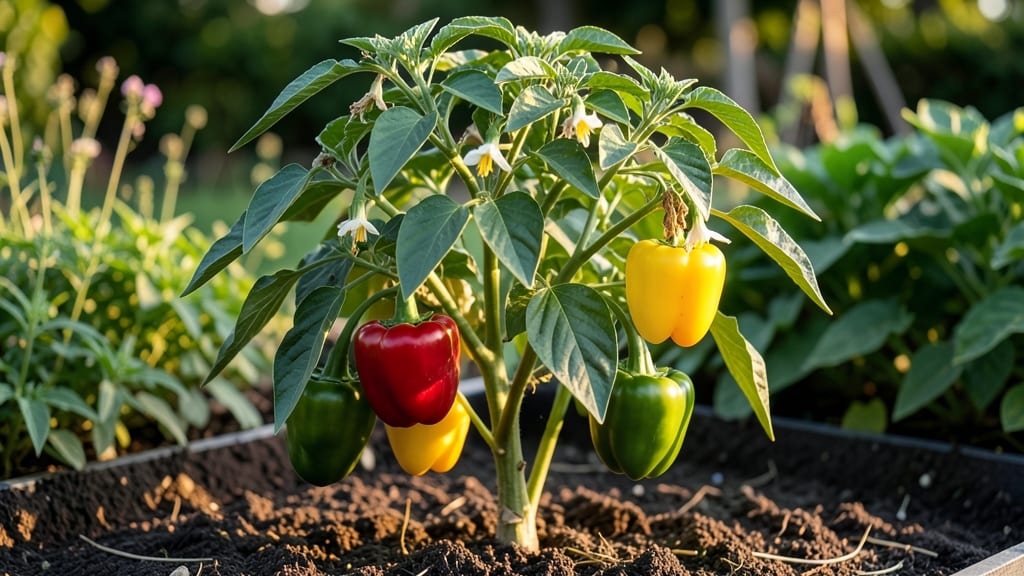
If you're planning your garden layout this spring, knowing how tall bell pepper plants grow could mean the difference between a crowded mess and a thriving, space-efficient harvest. These 🌶️ plants aren't one-size-fits-all—they can stretch from compact 1-foot dwarfs to towering 4-foot giants, depending on the variety you choose.
Picking the right spot for your bell peppers isn't just about sunlight—it's about giving them room to reach their full potential.
A California Wonder might need twice the space of a Jalapeño, and that difference can impact everything from air circulation to how many peppers you actually get to pick. Let me show you exactly what to expect from each type and how to work with their growth habits.
Beyond variety, small adjustments like pruning or adding a trellis can help you manage height naturally—even turning a sprawling plant into a neat vertical display.
I'll walk you through the simplest ways to control growth without sacrificing yield, so you can make the most of your garden space, whether you're working with a tiny balcony or a sprawling backyard.
Ready to stop guessing and start growing? By the end, you'll know exactly how much space to allocate, which varieties play well together, and how to keep your bell peppers happy from seedling to harvest. Let's get those plants reaching for the sky—without taking over your garden!


Bell pepper plant height by variety: exact growth ranges and space requirements
When planning your garden, knowing how tall bell pepper plants grow is essential for maximizing space and yield. These plants vary dramatically in height depending on the variety, ranging from compact dwarf types to towering vine varieties.
Understanding these differences helps you choose the right plants for your garden layout and container sizes. For example, a Jalapeño might stay under 2 feet, while a California Wonder can reach nearly 4 feet tall.
Bell pepper plants also differ in growth habits—some grow as bushy plants with multiple stems, while others develop as single-stemmed vines. This distinction impacts how you space them in your garden. Bush varieties typically need less room, while vine types require more vertical support and wider spacing.
Proper spacing ensures good air circulation, reducing the risk of diseases like powdery mildew and improving overall plant health.
Below is a detailed breakdown of the mature heights for popular bell pepper varieties, including their growth habits and optimal spacing requirements. This guide will help you plan your garden layout with precision, whether you're growing in raised beds, containers, or traditional in-ground plots.
| Variety | Growth Habit | Mature Height | Spacing (Inches) | Notes |
|---|---|---|---|---|
| California Wonder | Bush | 3-4 ft | 18-24" | Classic large-fruited variety; needs staking. |
| Jalapeño | Bush | 2-3 ft | 12-18" | Compact; ideal for containers or small gardens. |
| Carolina Wonder | Bush | 3-4 ft | 18-24" | Heat-tolerant; produces large, blocky peppers. |
| Sweet Banana | Vine | 4-5 ft | 24-36" | Needs trellis; produces banana-shaped peppers. |
| Mini Bell | Bush | 1.5-2.5 ft | 12-16" | Dwarf variety; perfect for small spaces. |
| Pepperoni | Bush | 2-3 ft | 12-18" | Small, spicy peppers; great for snacking. |
| Gypsy | Bush | 3-4 ft | 18-24" | Produces large, colorful peppers; needs support. |
| Shishito | Bush | 2-3 ft | 12-16" | Small, mild peppers; great for stir-fry. |
If you're growing bell peppers in containers, choose dwarf or semi-dwarf varieties like Jalapeño or Mini Bell, which thrive in 5-gallon pots or larger.
These varieties stay compact, making them ideal for balconies or patios. For in-ground gardens, taller varieties like California Wonder or Sweet Banana will need more
Bell pepper plant height by variety: exact growth ranges and space requirements
Bell pepper plants come in a stunning array of heights and growth habits, making it essential to choose the right variety for your garden space.
Whether you're working with a small balcony container or a sprawling backyard, understanding these dimensions will help you plan for optimal yield and airflow.
Most bell peppers fall between 2 to 4 feet tall at maturity, but some dwarf varieties stay as short as 18 inches, while others can reach 5 feet or more with proper support.
Your choice of bell pepper variety directly impacts how much space you'll need. Compact types like 'Dwarf Mexican' or 'Patio Baby' thrive in containers, while standard varieties such as 'California Wonder' or 'Jalapeño' require more room to spread.
Even within the same species, growth habits vary—some grow as bushy plants, while others send out long vines that need trellising. Knowing these differences ensures you avoid overcrowding, which can lead to poor air circulation and disease.
| Variety | Height Range | Growth Habit | Spacing Needs |
|---|---|---|---|
| Dwarf Mexican | 18-24 inches | Bushy | 12-18 inches apart |
| Patio Baby | 20-24 inches | Compact Bush | 12 inches apart |
| California Wonder | 36-48 inches | Upright Bush | 18-24 inches apart |
| Jalapeño | 24-36 inches | Semi-Vining | 18-24 inches apart |
| Big Jim | 48-60 inches | Tall Vining | 24-36 inches apart |
For container gardening, dwarf varieties are ideal because they fit neatly in 5-gallon pots or larger. If you're growing standard or tall varieties, consider using trellises or cages to save space and improve air circulation.
This vertical approach not only maximizes your garden's potential but also makes harvesting easier. Just ensure your containers have drainage holes to prevent root rot, a common issue with overwatered bell peppers.
Another key factor is pruning habits. Some varieties, like 'Big Jim', benefit from regular pruning to control height and encourage fruit production. Others, like 'Jalapeño', may naturally grow taller but can be guided with stakes.
Always prune in the morning to allow wounds to heal during the day, reducing the risk of pests and diseases. Remove any suckers (side shoots) that form in the leaf axils to direct energy toward fruit production rather than excessive foliage.
If you're planning a raised bed garden, aim for 18-24 inches of spacing between standard bell pepper plants. For bush types, you can reduce this to 12-18 inches.
In-ground gardens offer more flexibility, but always amend the soil with compost or aged manure to ensure nutrients are available for robust growth. Bell peppers are heavy feeders, so well-draining, fertile soil is non-negotiable for achieving their full height potential.
Finally, don’t overlook the climate impact on height. In cooler regions, bell peppers may grow slightly shorter due to slower metabolism, while warmer climates can encourage taller, more vigorous growth.
If you live in a short-season area, opt for early-maturing varieties like 'Early California Wonder' to ensure they reach their full height before the first frost. With the right variety and care, your bell pepper plants will thrive and reward you with a bountiful harvest! 🌱