
How To
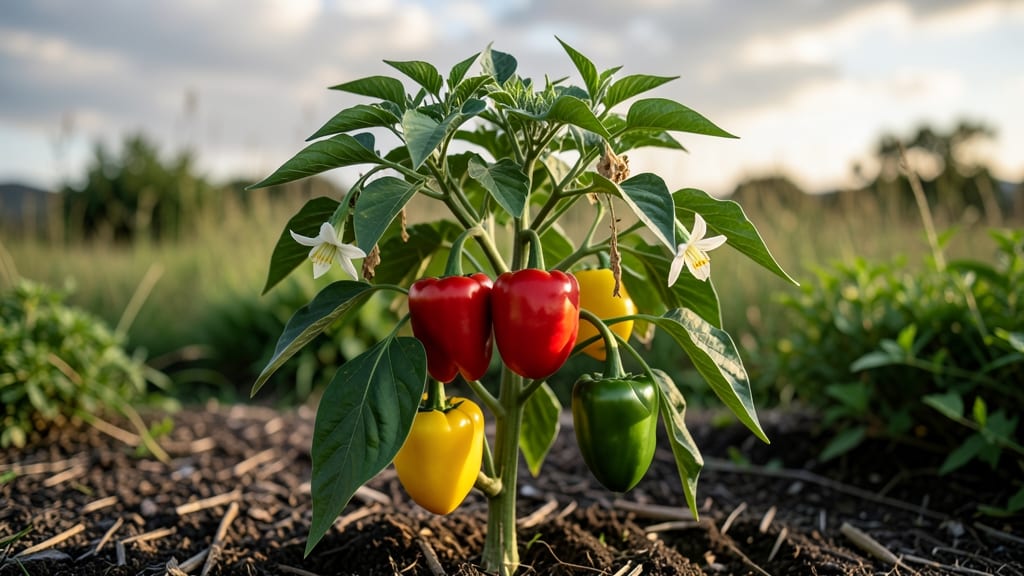
If you're planning your garden this year, knowing how tall bell pepper plants grow could save you space—or a headache. These versatile plants can range from compact 1-foot bushes to towering 4-foot giants, and picking the right variety makes all the difference for your harvest.
Most gardeners assume all bell peppers need plenty of room, but the truth is far more flexible. Dwarf varieties like 'Snackable' stay under 2 feet, perfect for containers or small spaces, while standard types like 'California Wonder' can reach 3-4 feet if left unchecked.
The key is matching your garden layout to the plant's growth habit.
Whether you're working with limited square footage or dreaming of a lush raised bed, understanding these height differences helps you plan for trellising, pruning, or even companion planting. Let's break down the options so you can choose the perfect 🌶️ fit for your space—and your harvest goals.
From tiny peppers that fit in a pot to sprawling plants that need room to breathe, we'll cover everything you need to know to make your garden both productive and manageable. Ready to find the ideal size for your next crop?


Bell pepper plant height ranges: compact vs tall varieties explained
When planning your garden, knowing how tall bell pepper plants grow helps you choose the right varieties for your space. Heights can range from compact bush types under 2 feet to tall varieties reaching 4 feet or more.
This variation impacts everything from plant spacing to harvesting ease, so let's explore the full spectrum of bell pepper heights.
Most gardeners assume bell peppers are all medium-sized, but the truth is far more diverse. Dwarf varieties stay under 2 feet, making them perfect for containers or small gardens, while standard and tall varieties can grow 3-4 feet tall.
Understanding these differences ensures you pick plants that fit your growing conditions and space constraints.
Here's a quick breakdown of what to expect from each height category:
Dwarf varieties (1-2 feet) are ideal for container gardening or tight spaces, while standard varieties (2-3 feet) suit most backyard gardens. Tall varieties (3-4 feet) thrive in larger plots but may need support structures to prevent sprawling. Let's dive into specific examples and care tips for each type.
| Variety Type | Height Range | Best For | Popular Examples |
|---|---|---|---|
| Dwarf | 1-2 feet | Containers, small gardens, urban balconies | 'Lunchbox,' 'Pepperoni,' 'Snackable' |
| Semi-Dwarf | 2-3 feet | Raised beds, small plots, patio gardens | 'Aristotle,' 'Sweet Banana,' 'Carmen' |
| Standard | 3-4 feet | Backyard gardens, in-ground planting | 'California Wonder,' 'Jupiter,' 'King of the North' |
| Tall | 4+ feet | Large plots, trellising, vertical gardens | 'Big Jim,' 'Monarch,' 'Black Beauty' |
The 'Lunchbox' variety is a perfect example of a compact bell pepper, staying under 2 feet tall while producing abundant 2-inch peppers. This makes it ideal for balcony gardens or 5-gallon containers.
Its bushy growth habit also means it doesn't require staking, saving you time and effort during the growing season.
On the other end of the spectrum, 'Big Jim' can reach over 4 feet tall and produces massive 12-ounce peppers. This variety is best suited for larger garden plots or when using trellising systems to support its height.
The trade-off is that it requires more space and may need pruning to manage its size and improve air circulation.
If you're working with limited garden space, consider 'Aristotle', a semi-dwarf variety that tops out around 3 feet. It's a great compromise between compact growth and high productivity, producing sweet, blocky peppers perfect for stuffing or grilling.
This variety also handles partial shade better than taller types, making it versatile for various garden conditions.
For urban gardeners or those with small patios, dwarf varieties like 'Pepperoni' are excellent choices. These plants stay under 18 inches tall and thrive in 5-gallon pots, making them perfect for container gardening.
Their compact size also means they mature quickly, often producing peppers 60-70 days after planting, which is ideal for short growing seasons.
Taller varieties like 'California Wonder' can grow 3-4 feet tall and are classic bush types that produce large, glossy peppers in multiple colors. These are best planted in well-draining soil with at least 18 inches of spacing between plants.
Their height makes them great for background planting in garden beds, but they may need light staking as they mature.
When selecting varieties, always check the seed packet or plant tag for mature height estimates. Some heirloom varieties can exceed expected heights, especially in ideal growing conditions with plenty of sunlight and nutrients.
If you're unsure about your garden's space constraints, opt for semi-dwarf varieties as a safe middle ground.
Remember that height isn't the only factor—spread also matters. Many tall varieties have wide canopies, so ensure you account for both vertical and horizontal space when planning your garden layout. This is especially important in raised beds or container gardens where space is limited.
🌱
How to choose bell pepper varieties based on garden space
Choosing the right bell pepper variety depends entirely on your garden's layout. If you're working with containers or small spaces, compact varieties like 'Snackable' or 'Pico de Gallo' thrive in 5-gallon pots and stay under 2 feet tall.
These are perfect for balconies or patios where space is limited but you still want a bountiful harvest.
For raised beds or in-ground gardens, medium-height varieties like 'California Wonder' or 'Aristotle' offer the best balance. These typically reach 3-4 feet and produce abundant peppers without requiring excessive space. Their upright growth habit makes them ideal for companion planting with herbs or lettuce.
If you have a large garden plot or want to maximize vertical space, taller varieties like 'Monarch' or 'Big Jim' can grow up to 4 feet or more. These are great for trellising or staking, allowing you to grow more plants in the same footprint while keeping the garden organized.
- 1. Containers: Dwarf varieties (1-2 ft) like 'Snackable' thrive in 5-gallon pots with 12-18 inches spacing.
- 2. Small Gardens: Medium-height types (2-3 ft) like 'Aristotle' need 18-24 inches spacing in raised beds.
- 3. Large Plots: Tall varieties (3-4 ft) like 'Monarch' require 24-36 inches spacing or trellising.
- 4. Vertical Gardening: All varieties benefit from cages or stakes to support heavy fruit and improve airflow.
When selecting varieties, also consider your climate and growing season. Shorter-season varieties like 'Early California Wonder' mature faster and are better suited for cooler regions, while heat-tolerant types like 'Carmen' thrive in hotter climates and can handle longer growing periods.
For urban gardeners or apartment dwellers, look for bush-type bell peppers that produce multiple peppers per plant without excessive height. These are often more productive in containers and require less maintenance. Pair them with self-watering pots to simplify care during busy weeks.
No matter your space, always check the seed packet or plant tag for mature height and spacing recommendations. This ensures you’re giving your peppers the room they need to grow strong and produce abundant fruit—without crowding out other plants or making harvesting difficult.