
Plants
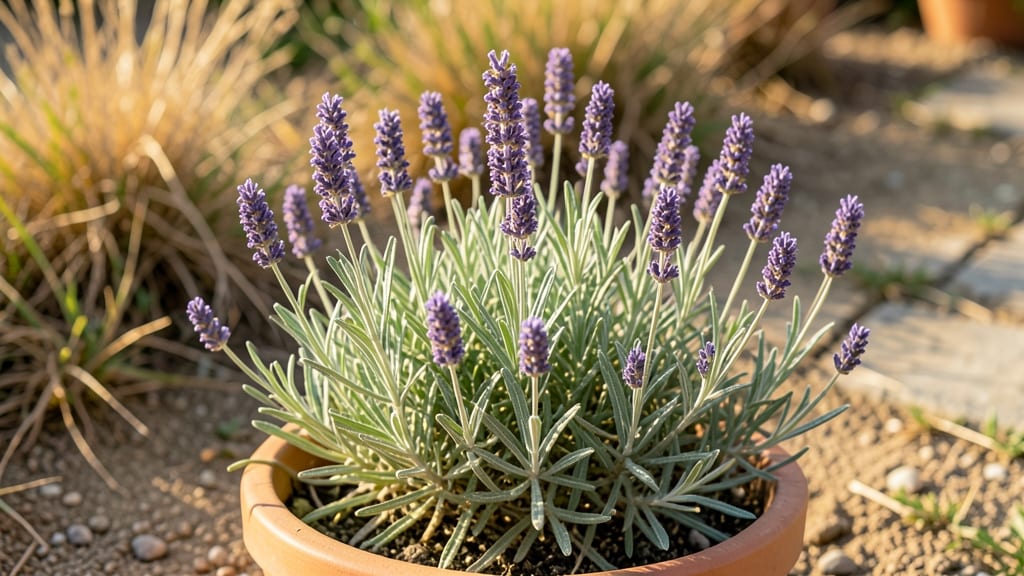
When you picture lavender in your garden, does the demonstrative how tall does a lavender plant grow conjure images of a towering purple hedge or a neatly trimmed border that stays put?
The truth is, how tall lavender grows depends entirely on the variety you choose—and getting this right can make or break your garden design.
Most gardeners assume all lavender plants reach the same height, but the reality is far more exciting. Standard varieties like English lavender can stretch up to 4 feet tall, while dwarf types like 'Munstead' stay compact at just 1-2 feet.
That means you can easily fit lavender into containers, borders, or even as a fragrant hedge without overcrowding your space.
If you're planning your garden layout, knowing these height differences is the key to creating balance. Too much space between plants? They’ll look sparse. Too little? You’ll end up with a jungle of stems.
I’ll walk you through the exact heights for popular varieties and how to keep them at their best with simple care tips.
Ready to design with confidence? Let’s dive into the heights, care secrets, and the perfect spots for lavender in your garden—no guesswork required.


Lavender plant height by variety: exact growth ranges for popular types
Lavender isn't a one-size-fits-all plant when it comes to height—some varieties stay as short as 12 inches, while others can reach nearly 4 feet tall. Understanding these differences is key to designing a garden that looks intentional, not chaotic.
Whether you're planning a container garden or a hedge row, knowing your lavender's mature height helps you space plants correctly and avoid overcrowding.
The height of your lavender depends on its species and cultivar. English lavender, for example, tends to be taller and bushier, while Spanish lavender stays more compact. Even within the same species, dwarf varieties can be half the height of their standard counterparts.
Let’s break down the most popular types so you can pick the perfect fit for your space.
🌿 Visual Guide: Lavender Height by Variety
| Variety | Mature Height | Spread | Growth Habit | Best For |
|---|---|---|---|---|
| English Lavender ('Hidcote', 'Munstead') | 3–4 ft | 2–3 ft | Upright, bushy | Hedges, borders, fragrance gardens |
| French Lavender ('Grosso') | 2–3 ft | 1–2 ft | Compact, dense | Containers, rock gardens, urban spaces |
| Spanish Lavender ('Papillon') | 1–2 ft | 1–1.5 ft | Low-growing, sprawling | Ground cover, slopes, drought-prone areas |
| Dwarf Lavender ('Lavandula angustifolia 'Little Lady'') | 12–18 in | 12–18 in | Tight, rounded | Containers, window boxes, small gardens |
| Spanish Dwarf ('Bandera Purple') | 1–1.5 ft | 1–2 ft | Spreading, mounding | Borders, edging, pollinator gardens |
If you're planning a lavender hedge, English lavender is your best bet—its 3–4 foot height creates a lush, fragrant barrier perfect for privacy or defining garden spaces.
For containers or small gardens, dwarf varieties like 'Little Lady' or 'Bandera Purple' are ideal, staying under 2 feet tall while still packing a punch with their fragrance.
Pro tip: Always check the plant tag when purchasing, as some nurseries may list heights differently. For example, a lavender labeled as "compact" might still reach 2 feet, while "dwarf" varieties are typically under 18 inches. This small detail can make a big difference in your garden layout.
Another factor influencing height is pruning habits. Regular pruning can keep even tall varieties like English lavender more manageable, while neglect can lead to leggy, overgrown plants. We’ll cover pruning techniques in the next section to help you maintain your lavender at the perfect height for your space.
For urban gardeners with limited space, consider Spanish lavender varieties—they thrive in pots and stay low enough to fit on balconies or patios. Pair them with thyme or rosemary for a fragrant, Mediterranean-inspired container garden.
Remember, lavender height isn’t just about aesthetics—it’s also about air circulation. Taller varieties need more space between plants to prevent fungal diseases like powdery mildew. Aim for 18–24 inches of space between standard lavender plants and 12–18 inches for dwarf types.
Now that you know the height ranges, you’re ready to choose the perfect lavender for your garden. Whether you're going for a romantic cottage garden or a modern minimalist look, there’s a lavender variety that will fit your vision—and your space.
How to control lavender height: pruning & care tips for compact growth
Lavender’s natural height can be easily managed with the right care, but many gardeners accidentally let it grow leggy or woody. The key? Pruning at the right time and avoiding common mistakes like overwatering or over-fertilizing.
With these simple techniques, you can keep your lavender neat, fragrant, and within your desired height range—whether that’s a 1-foot dwarf for containers or a 3-foot hedge for borders.
First, never prune lavender in fall or winter—this is when the plant is dormant, and cutting back can damage new growth. Instead, focus on spring and early summer when the plant is actively growing. A light trim after flowering encourages bushier, more compact growth.
For standard varieties, aim to prune back by one-third of the current year’s growth, while dwarf varieties only need a gentle tidy-up to maintain shape.
Pruning isn’t just about height—it’s also about air circulation and health. Dead or woody stems should be removed year-round to prevent disease. Use clean, sharp pruners and cut just above a leaf node (the small bump where leaves grow) to encourage new shoots.
Avoid shearing lavender like a hedge—this can lead to brown, dry stems and reduce fragrance.
Cutting back more than one-third of the plant at once stresses lavender, especially in hot climates. This can lead to dieback or even death if the roots aren’t established. For young plants (1 year old), limit pruning to 10-15% of the foliage to avoid stunting growth.
🌱 Pro Tip: If your lavender looks woody or sparse, it’s better to under-prune than overdo it. Focus on shaping rather than drastic cuts.
Soil and water play a huge role in controlling height too. Lavender thrives in well-draining, slightly alkaline soil—if your soil is heavy clay, amend it with sand or gravel to prevent root rot, which weakens the plant and leads to leggy, sparse growth.
Overwatering is another common culprit for tall, floppy lavender. These drought-loving plants hate soggy roots—water deeply but infrequently, about every 10-14 days, and always in the morning to reduce fungal risks.
For container-grown lavender, height control is easier because you can limit root space. Choose pots with drainage holes and use a fast-draining mix like cactus soil.
Dwarf varieties like 'Hidcote' or 'Munstead' stay under 2 feet naturally, but even taller types can be pruned back yearly to fit smaller spaces. Just remember: containers dry out faster, so check soil moisture every 7-10 days.
Finally, fertilizer choices matter. Lavender doesn’t need much—too much nitrogen leads to leafy, weak growth with fewer flowers. Use a low-nitrogen, balanced fertilizer (like 5-10-10) once in early spring and skip fertilizing in summer.
Mulch lightly with gravel or coarse sand to retain moisture without suffocating roots, which can also encourage compact growth.
With these tips, your lavender will stay lush, fragrant, and at your ideal height—whether you’re aiming for a low border or a tall hedge. The secret? Patience and precision—lavender rewards gentle care with years of beauty and scent.