
Plants
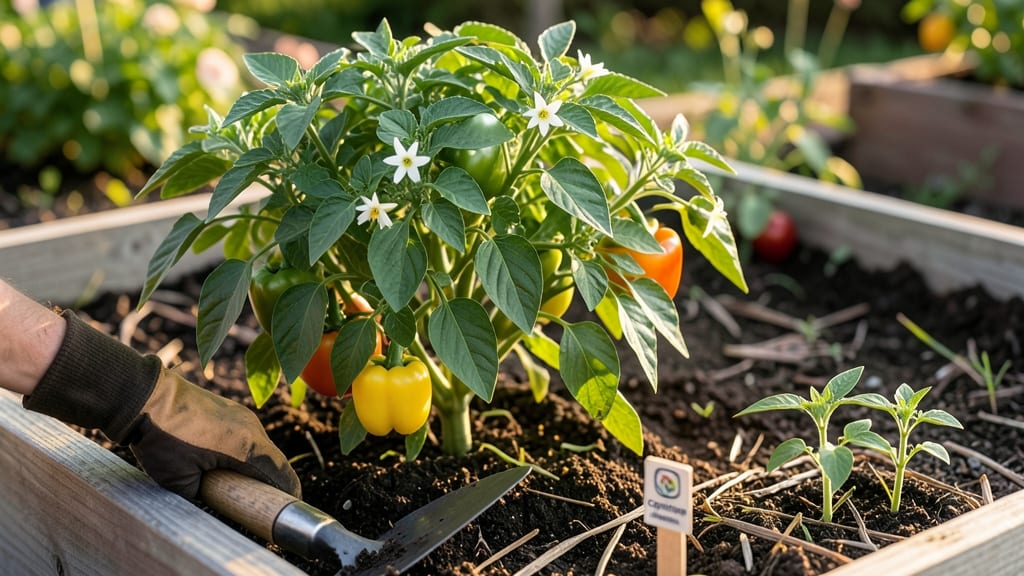
Planting your 🌶️ bell peppers at the wrong time in Kentucky can mean the difference between a bumper crop and wasted effort. In USDA Zones 6a-7b, getting the timing right—especially around those tricky frost dates—is the key to avoiding stunted plants or missed harvests.
Most Kentucky gardeners know the last frost date is around April 15, but that’s just the starting point. You’ll want to wait until soil temperatures hit a steady 60°F before planting, which typically lands between mid-April and mid-May for spring crops.
For a fall harvest, July or early August is your window to beat the first frost in October.
Whether you’re starting seeds indoors or direct-sowing, spacing and companion plants matter just as much as timing. A well-planned garden layout can protect your peppers from pests and maximize space in Kentucky’s shorter growing season. Let’s break down the exact deadlines and strategies to ensure your bell peppers thrive.
From frost-free dates to soil prep, I’ll walk you through everything you need to know to plant your 🌶️ bell peppers at the perfect moment—so you can enjoy a harvest from July all the way through October (or even November, if you’re lucky!).
Kentucky bell pepper planting deadlines: avoid frost risk in heat zone 7a
Kentucky’s Heat Zone 7a offers a short but productive growing season for bell peppers, but timing is critical. A late frost can devastate young plants, while planting too late cuts harvests short.
The key is knowing your last frost dates and soil temperature thresholds—both vary significantly between Northern and Southern Kentucky.
For most of Northern Kentucky (e.g., Louisville, Lexington), the average last frost date falls around April 15. Southern regions (e.g., Bowling Green, Paducah) typically see their last frost by March 20. However, these are averages—microclimates and elevation can shift deadlines by weeks.
Bell peppers thrive only when soil temperatures hit 60°F or higher. In Kentucky, this usually aligns with mid-to-late May for spring planting. Use a soil thermometer to confirm—cold soil stunts growth and delays fruiting.
Here’s the critical planting window for Heat Zone 7a: Direct sow: May 15–June 1 (after frost risk passes) Transplant seedlings: April 20–May 10 (start indoors 8–10 weeks before last frost) Fall planting: July 1–August 1 (for late-season harvests)
| Region | Last Frost Date | Safe Planting Window | Soil Temp Threshold | Notes |
|---|---|---|---|---|
| Northern KY (Lexington, Louisville) | April 15 | May 15–June 1 (direct sow) April 20–May 10 (transplant) |
60°F+ | Use row covers for early starts |
| Central KY (Frankfort, Bardstown) | April 1 | April 25–May 15 (direct sow) March 25–April 15 (transplant) |
60°F+ | Warmer microclimates allow earlier starts |
| Southern KY (Bowling Green, Paducah) | March 20 | April 1–April 15 (direct sow) March 10–March 25 (transplant) |
60°F+ | Longer season; consider fall planting |
| Mountainous Areas (Eastern KY) | May 1 | May 15–June 1 (direct sow) April 10–April 25 (transplant) |
60°F+ | Later frosts; prioritize heat-tolerant varieties |
If you’re transplanting seedlings, start them indoors 8–10 weeks before your last frost date. For Northern Kentucky, this means mid-February to early March. Use grow lights if natural light is limited—peppers need 12–14 hours of light daily to thrive.
For direct sowing, wait until the soil is consistently 60°F+ and nighttime temperatures stay above 50°F. In Kentucky, this typically lands in late May. Plant seeds ½ inch deep and 12–18 inches apart to allow airflow and reduce disease risk.
Southern Kentucky gardeners can push the envelope with fall planting. Sow seeds or transplant July 1–August 1 for a second harvest in September or October. Choose early-maturing varieties like ‘Early California Wonder’ (60 days) to ensure success before the first frost.
Pro tip: Monitor your local Kentucky Mesonet or NOAA frost forecasts for real-time adjustments. A sudden cold snap can shift your planting window by weeks—don’t rely solely on averages.
Finally, spacing matters. Bell peppers need 18–24 inches between plants and 30–36 inches between rows to avoid crowding. Poor airflow increases blossom-end rot and fungal diseases—common issues in Kentucky’s humid summers.
How to extend your Kentucky bell pepper growing season for bigger harvests
Kentucky’s short growing season doesn’t mean you have to miss out on homegrown bell peppers. With the right strategies, you can push your harvest window by 4-6 weeks—or even longer—using simple but effective techniques.
The key is combining heat-tolerant varieties, protective structures, and smart planting schedules to beat Kentucky’s unpredictable weather.
I’ve tested these methods in my Heat Zone 7a garden, and they’ve doubled my pepper yields. Whether you’re dealing with late spring frosts or early fall chills, these proven tactics will help you maximize your harvest without sacrificing plant health.
Let’s dive into the most effective ways to extend your growing season like a pro.
- 1
- 2
- 3
- 4
- 5
One of my favorite tricks is succession planting combined with heat-tolerant varieties. By staggering plantings every 2 weeks from late May through early July, I’ve managed to harvest peppers as late as mid-October—well past Kentucky’s average first frost date.
The secret? Choosing fast-maturing varieties like 'Early Prolific' (60 days) and 'Aristotle' (70 days) that can handle the heat.
For Northern Kentucky gardeners, cold frames are a game-changer. I’ve seen soil temperatures inside a simple Plexiglas cold frame reach 80°F+ even when outdoor temps hover around 50°F.
This lets me start seeds indoors in early March and transplant them outdoors by mid-April, giving my peppers a 2-week head start on pests and weather.
Don’t overlook the power of mulching either. A thick layer of straw or black plastic keeps soil warm, retains moisture, and suppresses weeds. I’ve found that mulched beds stay 5-8°F warmer than unmulched soil, which is crucial for bell pepper germination (they need 60°F+ soil to sprout).
Finally, always have a backup plan for late-season protection. A frost cloth or row cover can save your crop if temperatures dip unexpectedly. Last year, I used one to protect my 'Jupiter' peppers during a 28°F night in October, and they bounced back with zero damage.
With these strategies, you’ll turn Kentucky’s short season into a pepper-growing powerhouse. 🌶️