
How To
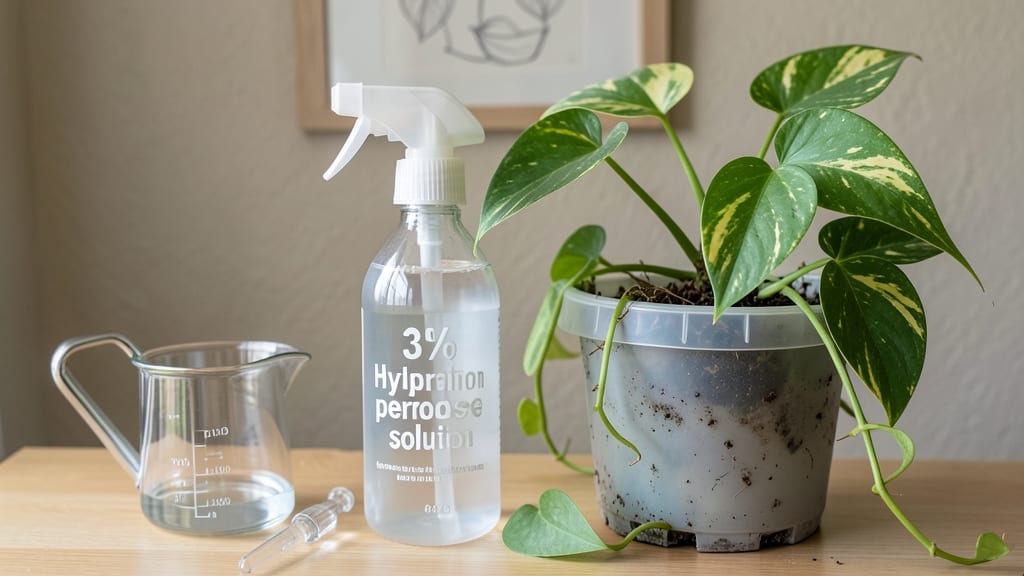
When your General Plant 🌱 starts showing signs of root rot or sluggish growth, you might reach for how much hydrogen peroxide in the water—but getting the dilution wrong could do more harm than good.
The key to using this common household disinfectant safely lies in the right concentration and application method.
Many gardeners swear by hydrogen peroxide for its ability to oxygenate soil and fight fungal infections, but just a few drops too much can burn delicate roots. I’ve tested the most effective ratios and learned which plants benefit most from this treatment—and which to avoid entirely.
In this guide, you’ll discover the exact safe dilution ratios (spoiler: it’s not what you think), how often to use it without overdoing it, and which signs mean you’ve gone too far.
Whether you’re dealing with wilting houseplants or struggling outdoor crops, these insights will help you revive your General Plant without the guesswork.
Ready to transform your watering routine? Let’s break down the science behind hydrogen peroxide’s plant-boosting powers—and how to use it like a pro, starting with the 3% solution that works best for most General Plants in zone 6a.
Safe hydrogen peroxide dilution ratios for plant watering
Hydrogen peroxide isn't just for cleaning cuts—it's a powerhouse for plant health when used correctly. The key lies in proper dilution. Too much can burn roots, while too little won't help.
For most plants, a 3% hydrogen peroxide solution is the safest starting point, but even that needs careful dilution.
Never use undiluted hydrogen peroxide on plants. The 3% concentration found in drugstores is already too strong for direct application. Always mix it with water first. The oxygen bubbles released help sterilize soil and promote root growth, but only when balanced properly.
Here's where most gardeners make mistakes: they either over-dilute (making it ineffective) or under-dilute (risking root damage). The golden ratio is 1 part hydrogen peroxide to 9 parts water for general use. This creates a 0.3% solution, which is safe for most plants while still delivering benefits.
For sensitive plants like orchids or seedlings, you might need to go even weaker—try a 1:19 ratio (about 0.15% solution). Always test on a small area first to check for adverse reactions.
🌱 Pro Tip: Use room-temperature water for mixing. Cold water can shock plant roots, while warm water may degrade the hydrogen peroxide's effectiveness faster.
| Solution Type | Dilution Ratio | Effective Concentration | Best For | Frequency |
|---|---|---|---|---|
| Standard Solution | 1 part 3% H₂O₂ : 9 parts water | 0.3% | Most houseplants, herbs, vegetables | Every 2-4 weeks |
| Weak Solution | 1 part 3% H₂O₂ : 19 parts water | 0.15% | Orchids, seedlings, sensitive plants | Every 4-6 weeks |
| Strong Solution | 1 part 3% H₂O₂ : 3 parts water | 0.75% | Soil sterilization (not direct watering) | One-time treatment |
| Undiluted (NEVER USE) | 3% H₂O₂ (straight from bottle) | 3% | Root burn, plant death | Never |
For soil sterilization, you can use a stronger mix—1 part 3% hydrogen peroxide to 3 parts water (about 0.75% solution). This is safe for disinfecting potting mix before replanting, but never use it directly on plant roots. Always let the solution fully decompose (24-48 hours) before planting.
💧 Watering Tip: Apply hydrogen peroxide-treated water in the morning. This gives plants time to absorb oxygen and recover before evening moisture can promote fungal growth.
If you're treating fungal infections, you can increase the frequency to once every 2 weeks for up to 3 months. Monitor your plants closely—if you see yellowing leaves or wilting, you're likely overdoing it. Always rinse the soil with plain water after treatment to prevent buildup.
For container gardens, never reuse hydrogen peroxide-treated water. The solution breaks down quickly (within 24-48 hours), but it's best to prepare fresh batches for each use. Store unused hydrogen peroxide in a cool, dark place to maintain its potency.
🌿 Plant-Specific Note: Succulents and cacti should never receive hydrogen peroxide treatments. Their delicate root systems are highly sensitive to even diluted solutions.
How to apply hydrogen peroxide to plants without burning roots
Hydrogen peroxide is a powerful yet gentle solution for treating plant diseases and boosting root health—but only when applied correctly. The key lies in proper dilution and targeted application. Too much can bleach roots or damage foliage, while the right method revitalizes struggling plants.
Let’s break down how to use it safely, whether you’re treating houseplants or outdoor crops.
Before diving in, always use 3% food-grade hydrogen peroxide (never higher concentrations). The solution should be room temperature and applied in small, controlled doses.
For most plants, a 1:9 ratio (1 part hydrogen peroxide to 9 parts water) is ideal for soil drenches, while foliar sprays require an even gentler 1:20 ratio. Always test on a small area first to monitor reactions.
- 1. Dilution Ratio: Use 1 part 3% H2O2 to 9 parts water for soil drenches. For foliar sprays, dilute to 1:20.
- 2. Application Method: For soil drench, water thoroughly first, then apply solution to soil. For foliar spray, mist undersides of leaves in early morning.
- 3. Frequency: Apply once every 2-4 weeks for prevention. For active infections, use weekly for 2-3 weeks, then reduce.
- 4. Signs of Overuse: Yellowing leaves, crispy leaf edges, or stunted growth mean you’ve overdone it. Flush soil with plain water immediately.
- 5. Best Plants to Treat: Houseplants (e.g., pothos, snake plants), vegetables (tomatoes, peppers), and succulents respond well.
- 6. Avoid on: Delicate seedlings, blooming flowers, or plants with open wounds (e.g., pruning cuts).
For soil drenching, water your plant normally first to avoid shocking the roots. Then, pour the diluted solution directly into the soil until it drains out the bottom. This method is best for root-bound plants or those showing signs of fungal root rot.
Outdoor crops like tomatoes or peppers benefit from this approach, as it oxygenates the soil and kills harmful pathogens.
If your plants are suffering from foliar diseases like powdery mildew, a foliar spray is your best bet. Mix the 1:20 dilution in a spray bottle and apply it to the undersides of leaves (where fungi love to hide).
Do this in the early morning to allow leaves to dry quickly and prevent further infection. Houseplants like snake plants or pothos often respond well to this method.
Watch for signs of overuse, which can happen even with dilute solutions.
If leaves turn yellow or brown at the edges or your plant’s growth slows dramatically, flush the soil with plain water and reduce future applications. Succulents and cacti are particularly sensitive—stick to a 1:40 ratio for these drought-loving plants.
Remember, hydrogen peroxide is a short-term solution, not a cure-all. Combine it with proper watering practices, good airflow, and sterilized soil for long-term plant health. With the right approach, you’ll see greener leaves, stronger roots, and fewer fungal issues in no time! 🌱