
Plants
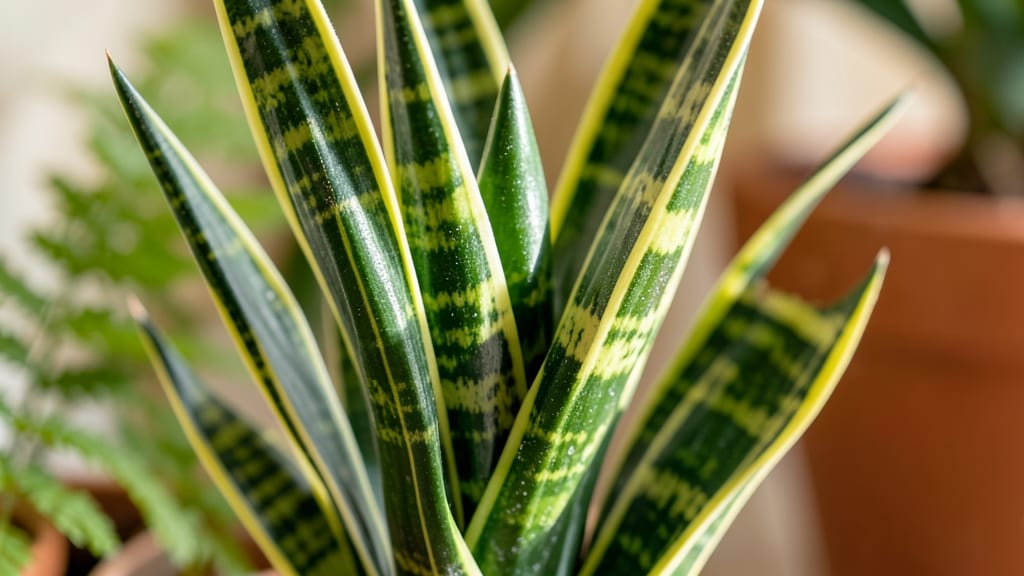
To keep your snake plant 🌱 thriving, you might be surprised by how much light does a snake plant require—it’s actually far less than you’d expect.
Unlike fussy houseplants, this hardy beauty handles everything from dim corners to bright, indirect sunlight, making it the perfect low-maintenance green companion for busy homes.
What makes snake plants so resilient is their ability to adapt, but getting the light balance right is the key to those signature upright leaves staying lush and vibrant. Too little light? You’ll notice slow growth or leggy stems.
Too much direct sun? Watch for brown tips or crispy edges. The good news? Finding that sweet spot isn’t complicated once you know what to look for.
Whether you’re dealing with a north-facing window that barely gets sunlight or a sunny spot that seems too intense, I’ll show you exactly how to position your plant for success.
From identifying the perfect location in your home to troubleshooting common light-related issues, you’ll learn how to give your snake plant exactly what it needs—no guesswork required.
Ready to stop second-guessing your plant’s happiness? Let’s dive into the simple secrets that will transform your snake plant from a struggling survivor into a showstopping centerpiece—no green thumb required.
 Best Window Placement
Snake plant light requirements: ideal conditions for growth and health
Snake plants, or Sansevieria, are famous for their low-light tolerance, making them perfect for busy homes or dim offices. However, they still need the right amount of light to thrive.
Unlike sun-loving plants, snake plants prefer bright indirect light but can survive in low-light conditions. The key is finding that sweet spot where they get enough light to grow without getting sunburned.
In nature, snake plants grow in shady forest understories, which explains why they adapt well to indoor environments. While they can handle fluorescent lighting or even artificial grow lights, natural light is always better.
If you place your snake plant in a spot with direct sunlight, like a south-facing window, you risk damaging its leaves with sunburn spots.
Here’s how to identify the perfect light conditions for your snake plant:
| Light Condition | Ideal Placement | Signs of Correct Light |
|---|---|---|
| Low Light | North-facing window or 5+ feet from any window | Slow but steady growth, dark green leaves |
| Bright Indirect Light | 1-3 feet from an east or north window | Healthy growth, vibrant green leaves, minimal stretching |
| Direct Sunlight | South or west window without shade | Brown or yellow patches, crispy leaf tips |
If your snake plant is in low-light conditions, you’ll notice it growing slowly but staying healthy. This is normal—they’re built to survive in shady spots. However, if it’s in too little light, the leaves may start to lose their color or grow pale and weak.
Rotate your plant occasionally to ensure all sides get even light exposure, which helps maintain its upright, symmetrical shape.
For bright indirect light, position your snake plant near an east-facing window where it gets morning sun but avoids the harsh afternoon rays. If you notice the leaves developing yellow streaks or brown edges, it’s a sign of too much direct sun.
Move it to a spot with filtered light or add a sheer curtain to diffuse the sunlight.
One of the best things about snake plants is their flexibility. They can adapt to artificial lighting, making them ideal for offices or bedrooms where natural light is limited.
If you’re using LED grow lights, place them about 6-12 inches above the plant and keep them on for 12-14 hours a day to mimic natural daylight cycles.
Outdoors, snake plants can handle partial shade but avoid placing them in full sun, especially in hot climates. If you’re growing one in your garden or patio, choose a spot with dappled sunlight, like under a tree canopy or near a shady wall.
This way, they get enough light to thrive without the risk of leaf scorch.
Pro tip: If you’re unsure about the light in your home, observe how your snake plant behaves over a few weeks. Healthy growth with no discoloration means you’ve got the light just right.
If the leaves start to curl or droop, it’s time to adjust its location or supplement with a grow light.
Remember, snake plants are forgiving—they’ll survive in less-than-ideal conditions, but they’ll thrive when given the right amount of bright indirect light. With the right spot, your snake plant will reward you with lush, vibrant foliage for years to come. 🌱
How to adjust light for snake plants in different rooms
Adjusting light for your snake plant depends entirely on where you place it in your home. Unlike finicky houseplants, snake plants adapt well to low-light conditions, but they’ll reward you with faster growth and richer foliage when given the right amount of bright indirect light.
Let’s break down the best spots in your home and how to optimize them.
The key is understanding how window direction affects light intensity. A north-facing window provides gentle, consistent light—ideal for snake plants—while a south-facing window can deliver harsh afternoon rays. If your plant is in a west-facing room, it might need a sheer curtain to diffuse the intense late-day sun.
- 🏠 Living Room (East/West Windows): Place your snake plant 2-3 feet from an east-facing window for morning sun or use a sheer curtain on west-facing windows to soften afternoon light.
- 🚪 Bedroom (North Window): A north-facing window is perfect—position the plant 1-2 feet away for steady, low-intensity light. This is ideal for bedrooms with minimal natural light.
- 🍳 Kitchen (South Window): Avoid placing it directly in the sun. Instead, set it 3-4 feet back from the window or use a light-colored curtain to filter glare.
- 💼 Office (No Windows): Use a grow light (LED or fluorescent) for 12-14 hours/day. Place it 6-12 inches above the plant for even coverage.
- 🚿 Bathroom (Humid Conditions): Choose a spot away from direct light but near a window for indirect light. High humidity can cause browning leaf tips, so ensure good airflow.
If your home lacks natural light, don’t worry—snake plants are low-light tolerant. They’ll survive under fluorescent lighting or even in dimly lit hallways. However, for the healthiest growth, aim for at least 4-6 hours of indirect light daily.
Rotate the pot quarter-turn every few weeks to ensure even growth and prevent leaning.
For outdoor snake plants, transition them gradually to avoid shock. Start with morning sun only and gradually increase exposure over 2-3 weeks. Avoid placing them in direct midday sun, which can scorch the leaves. A partially shaded patio or dappled sunlight under a tree is perfect.
Seasonal changes also affect light exposure. In winter, days are shorter, so supplement with a grow light if your plant looks leggy. In summer, watch for signs of too much light, like yellowing or crispy edges, and adjust placement accordingly.
Pro tip: Use a light meter or observe your plant’s response. If leaves are dark green and upright, you’ve got the light right. If they’re pale and stretched, it’s time to move it closer to a brighter spot. 🌿