
Plants
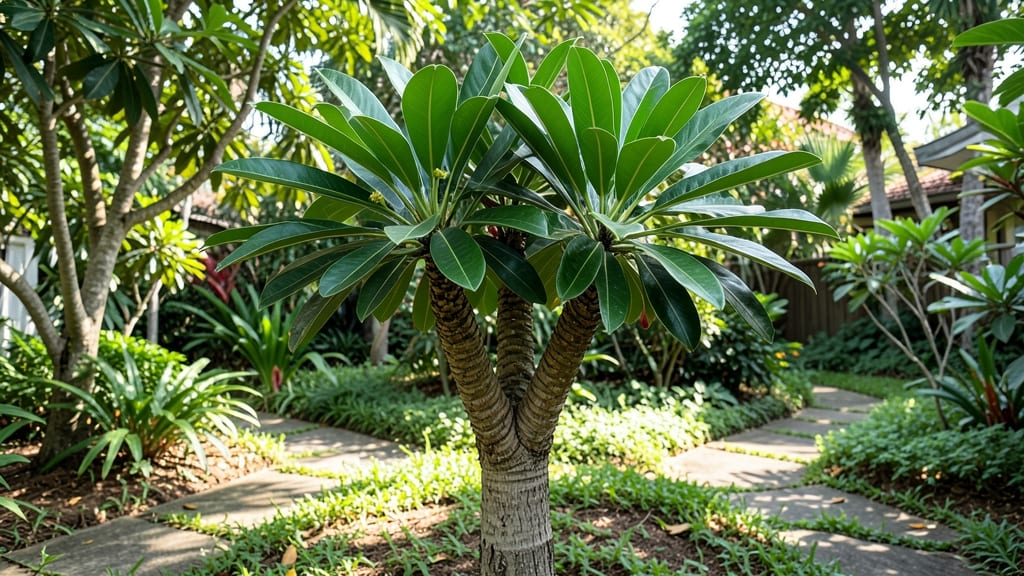
Most people assume their Money Tree will adapt to any light, but that’s a common mistake. In reality, it needs 6-8 hours of bright, filtered light daily—think east-facing windows or a few feet back from a south-facing one.
Too little light leads to weak stems and yellowing leaves, while too much direct sun causes brown patches. Let’s break down exactly how to get the balance right for a lush, healthy plant.
You might be surprised to learn that even a north-facing window can work if you position your Money Tree just right. The key is avoiding harsh afternoon rays, which can scorch the leaves.
I’ll show you how to spot the signs of poor lighting and adjust your home setup in 3 simple steps—no guesswork required.
Once you master the light, your Money Tree will reward you with faster growth and those signature braided stems that bring good luck (and great vibes) to any space. Ready to transform those sad, sparse branches into a thriving centerpiece? Let’s dive into the details.


Ideal light requirements for money tree growth: bright indirect sun explained
A money tree (Pachira aquatica) thrives in bright indirect light, which mimics its natural tropical habitat. This means placing it near a window where sunlight filters through sheer curtains or a light canopy.
Direct sun can scorch its delicate leaves, while too little light causes leggy growth and pale foliage.
The key is finding that golden balance—enough light to fuel photosynthesis but not so intense it causes damage. Most homes achieve this with an east or north-facing window, where morning sun is gentle and afternoon light remains diffused.
If your space lacks natural light, don’t worry—we’ll cover grow light solutions later!
Here’s how to identify the perfect spot: Hold your hand near the plant. If you can comfortably read a book without straining, the light is likely ideal.
If shadows are sharp and dark, the plant is getting too much direct sun. Conversely, if the area feels dim even to your eyes, it’s underlit.
Signs your money tree isn’t getting enough light include yellowing leaves, slow growth, and stems stretching toward the light source. Over-exposure shows as brown leaf tips or crispy edges, especially on leaves facing the window. Both extremes stress the plant, so monitoring its response is crucial.
Money trees are flexible adaptors, tolerating low to bright indirect light. However, their growth rate and vibrancy peak in medium to bright indirect conditions. For example, a plant in a west-facing window might need afternoon shade, while one in a north-facing window can handle more consistent light.
| Light Condition | Ideal Placement | Plant Response |
|---|---|---|
| Low Light (<30% brightness) | North-facing window, 4+ feet away | Slow growth, pale leaves, leggy stems |
| Medium Light (30-50% brightness) | East/west window, 2-3 feet away | Healthy growth, vibrant foliage |
| Bright Indirect (50-70% brightness) | North window, 1-2 feet away | Fastest growth, dark green leaves |
| Direct Sun (>70% brightness) | South window, no filter | Brown tips, crispy leaves, sunburn |
To test your space’s light levels, use a light meter app (like "Light Meter" for smartphones) or the shadow test: Place a small object near the window and measure its shadow length. A 2-3 inch shadow at midday suggests ideal indirect light for a money tree.
If your home has limited natural light, rotate the plant quarter-turns weekly to ensure even growth. This prevents the plant from leaning toward one light source, which can cause uneven development. Even in low light, a money tree will survive, but its growth rate and leaf density will suffer.
For maximum vibrancy, aim for 6-8 hours of bright indirect light daily. This could mean placing the plant near a skylight or using a reflective surface (like a white wall or mirror) to bounce light onto the leaves.
The goal is to replicate the dappled sunlight of its rainforest origins.
Remember, every home’s light varies, so observe your plant’s reactions and adjust accordingly. A happy money tree will reward you with glossy, dark green leaves and a sturdy trunk—proof you’ve nailed the light balance! 🌿
How to adjust your home’s lighting for a money tree’s needs
Your money tree (Pachira aquatica) thrives in bright indirect light, but most homes don’t offer perfect conditions out of the box. The good news? With a few simple adjustments, you can create an ideal environment.
Start by evaluating your space—east or north-facing windows are gold for money trees, while south-facing windows can deliver too much harsh light. Even if your home lacks ideal natural light, grow lights can bridge the gap without stressing your plant.
Begin by rotating your money tree quarter-turns weekly to ensure even growth. This prevents lopsided stems caused by leaning toward light sources. If you notice yellowing leaves or stretched stems, your plant is signaling it needs more light.
Conversely, brown leaf tips or crispy edges mean it’s getting too much direct sun. The key is balance—mimicking the dappled sunlight of a tropical forest.
🌱 How to Optimize Light for Your Money Tree
- 1. East-facing windows – Best for morning sun (6-9 AM), providing gentle light without overheating.
- 2. North-facing windows – Offer consistent indirect light all day, ideal for low-light spaces.
- 3. South-facing windows – Use sheer curtains to filter harsh afternoon sun and prevent leaf scorch.
- 4. West-facing windows – Place 3-5 feet away to avoid intense late-day sun that can burn leaves.
- 5. No windows? – Use a full-spectrum LED grow light (12-14 hours/day) 6-12 inches above the plant.
- 6. Rotate weekly – Turn the pot ¼ turn to prevent uneven growth toward light sources.
If your money tree sits in a low-light room, supplement with a grow light for 4-6 hours daily. Look for LED grow bulbs with a 2700K-6500K color spectrum to mimic natural sunlight.
Position the light 12-18 inches above the plant and adjust as it grows. Avoid fluorescent bulbs—they emit too little warmth for optimal growth.
Troubleshooting is easier than you think. If your money tree develops brown patches, move it further from the window or add a sheer curtain. For pale, leggy stems, it’s craving more light—try a south-facing window with filtered light or extend daylight with a grow light.
The goal is to match the 6-8 hours of bright indirect light your money tree naturally craves in its tropical habitat.
Pro tip: Group your money tree with other low-to-medium light plants like ZZ plants or snake plants to create a microclimate. Their presence can help regulate humidity and light distribution, giving your money tree the consistent conditions it loves.
Just avoid placing it near drafty windows or vents, which can stress the plant even with perfect lighting.
With these adjustments, your money tree will reward you with glossy leaves, vibrant growth, and that coveted lucky charm energy. Remember, patience is key—money trees adapt slowly to changes, so monitor progress and tweak as needed. Happy growing! 🌿