
Plants
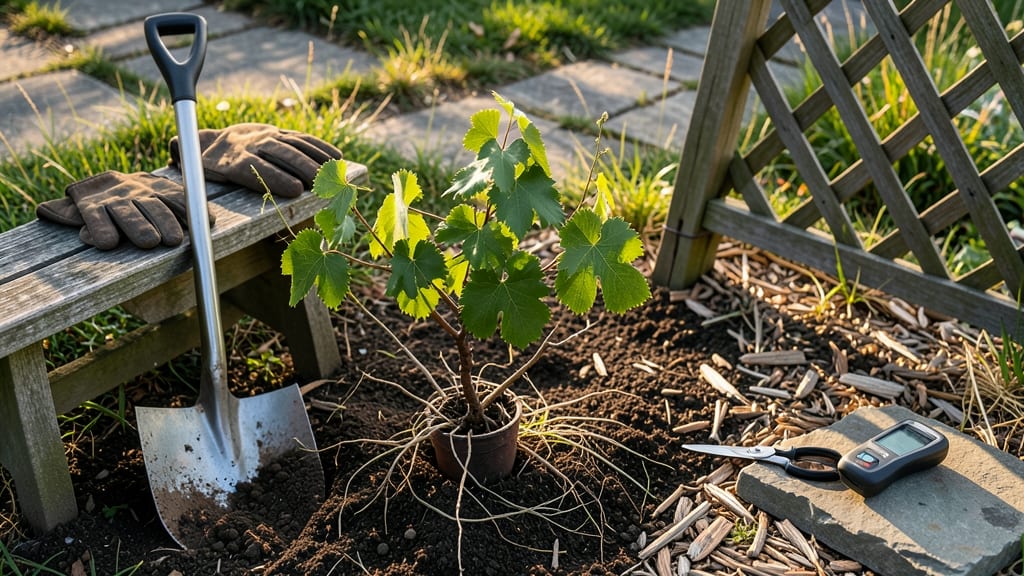
Planting grapes in North Carolina at the wrong time could mean weak vines or lost harvests—especially in zones 7a-8b where frost and heat play critical roles. The key to thriving 🍇 vines lies in understanding your local microclimate and choosing the perfect window between late winter and early spring.
If you're eager to grow your own grapes, timing is everything. Whether you're planting bare-root vines in February or container-grown varieties in September, missing these deadlines can leave your plants vulnerable to frost or summer stress.
I'll walk you through the best months for your specific zone and grape type—so you can set your vines up for success.
North Carolina's diverse regions mean what works in the Piedmont might fail in the Coastal Plain. We'll cover how soil temperature, rainfall, and even your trellis setup can impact your planting schedule. Plus, I'll share pro tips to avoid common mistakes that could derail your harvest before it even begins.
Ready to grow strong, productive vines? Let's dive into the exact planting windows, soil prep, and frost considerations that will help your grapes thrive—no matter where you are in the state.
Best planting times for grapes in NC heat zones 7-9
North Carolina’s heat zones 7-9 offer perfect conditions for growing grapes, but timing your planting is critical. Muscadine and wine grape varieties thrive when planted during specific windows to avoid late frosts and summer heat stress.
In my experience, early spring (February-April) is ideal for bare-root vines, while fall planting (September-October) works best for container-grown vines.
Each USDA heat zone in NC has unique frost risks.
Zone 7a (coolest) faces harder late frosts until mid-April, while Zone 9 (warmest) can plant until early May without frost damage. Soil temperature is just as important as air temperature—wait until the ground warms to 50°F (10°C) for 3+ days before planting.
Here’s a quick reference for your NC heat zone and the best planting windows:
For wine grapes, I recommend planting in early spring (February-March) to give vines time to establish roots before summer heat. Muscadine grapes, which are more heat-tolerant, can handle later spring planting (March-April) without stress. Always check your local NC State Extension for specific frost dates in your area.
If you’re planting in fall, aim for September-October to allow roots to establish before winter dormancy. Container-grown vines adapt better to fall planting than bare-root vines. Mulch heavily (3-4 inches) to protect roots from freezing temperatures in Zone 7a.
One common mistake I see is planting too early when the soil is still cold. Cold soil slows root growth, making vines vulnerable to disease. Use a soil thermometer to confirm 50°F (10°C) before planting.
In Zone 9, you can plant as early as January, but avoid planting after April 15 to prevent summer heat stress.
For frost-prone areas like Zone 7a, consider using row covers or planting
How to choose the right month for your grape variety
Not all grapes thrive on the same schedule, especially in North Carolina’s diverse climate. Muscadine grapes—the hardy, native varieties—can handle later planting, while wine grapes like Cabernet Franc need cooler soil to establish roots.
Your choice of variety directly impacts when you should plant, with Piedmont regions favoring earlier windows than the Coastal Plain.
The biggest mistake I see? Planting wine grapes too late in Zone 8b when soil temperatures exceed 70°F. Muscadines, however, can wait until April in the Coastal Plain without stress. Let’s break down the ideal windows based on your grape type and microclimate.
April–May (Coastal)
March (Coastal)
In the Piedmont, where winters are cooler, I recommend planting wine grapes in late February to take advantage of moist, cool soil. The Coastal Plain, however, stays warmer longer—so delay until March or April to avoid heat stress.
Muscadines, being native, are far more flexible and can even handle May planting in some Coastal areas.
Soil temperature is your best guide: Use a soil thermometer to confirm readings below 60°F for wine grapes. For Muscadines, wait until the ground warms to 65°F—they’ll thrive in the heat.
Pro tip: Amend heavy clay soils with compost to improve drainage, especially in the Piedmont where rainfall can lead to soggy roots.
Rainfall patterns also shift between regions. The Piedmont sees steady spring rains, while the Coastal Plain may experience drought by early summer. If you’re planting in April, have a drip irrigation system ready to supplement nature. And don’t forget: Mulch heavily (3–4 inches) to retain moisture and regulate soil temps.
Final rule of thumb? Wine grapes = cooler soil + earlier planting, while Muscadines = warmer soil + later flexibility. Check your local NC State Extension frost dates, then adjust your schedule.
With the right timing, your vines will establish strong roots before summer’s peak—and that’s when the real magic happens.