
Plants
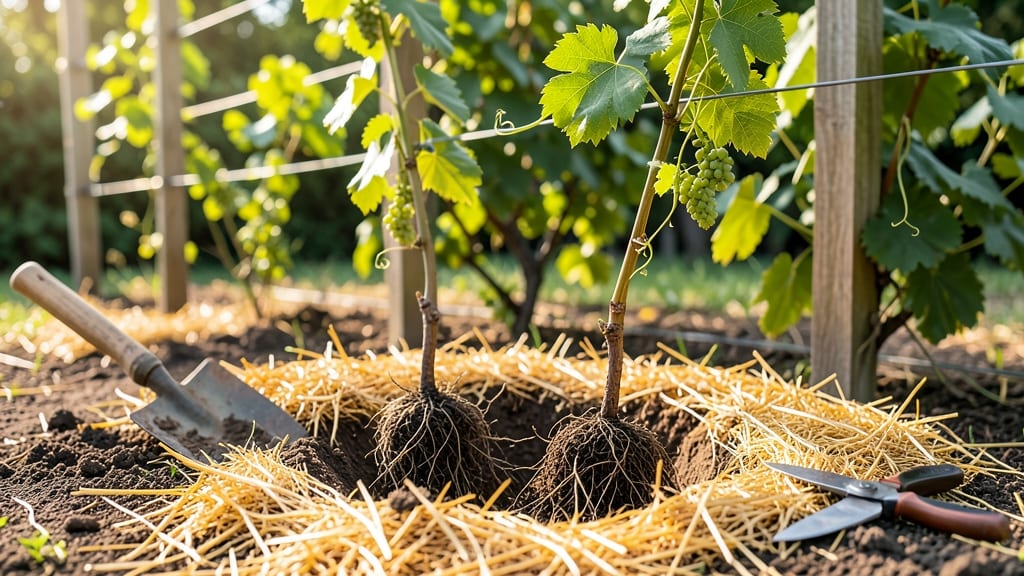
Planting grapes in Georgia at the wrong time could mean frost damage or stunted growth—but timing it right unlocks a thriving vineyard. The ideal window of late winter to early spring isn’t just about the calendar; it’s about matching Georgia’s chill-hour zones to your grape variety’s needs.
Whether you’re growing muscadines or vinifera, understanding when to plant is the game-changer between a failed harvest and a lush, productive vine. In USDA zones 7a-8b, waiting until after the last frost (typically around March 15) ensures roots establish before summer heat sets in.
I’ll break down the best months for each variety, how to prep your soil, and why some regions (like North Georgia vs. the Coastal Plains) need different approaches. Skip the guesswork—let’s get your 🍇 grapes off to the best start.
From chill-hour calculations to frost-risk tips, you’ll learn exactly when to plant for maximum yield. Ready to turn your Georgia garden into a grape-growing success? Let’s dive in.
Georgia’s grape planting timeline by chill-hour zones
Georgia’s diverse climate—from the cool mountain regions of North Georgia to the humid Coastal Plains—creates unique challenges for grape growers. The key to success? Matching your grape variety to its required chill hours (the number of hours below 45°F during dormancy).
Most Georgia-grown grapes thrive with 400-1,000 chill hours, but timing varies by zone.
In North Georgia (USDA Zones 7a-7b), where winters are colder, you can plant bare-root grapevines in late winter (February-March) once the soil thaws but before buds swell. The Coastal Plains (Zones 8a-8b), with milder winters, allow planting as late as early April to avoid heat stress.
Here’s how chill hours dictate your planting window:
| Region | Chill Hours | Best Planting Month | Key Consideration |
|---|---|---|---|
| North Georgia (Zones 7a-7b) | 600-1,000+ | February-March | Avoid late frosts; plant after last frost date (avg. March 15). |
| Central Georgia (Zones 7b-8a) | 400-700 | March-April | Muscadines thrive here; plant after soil warms to 50°F+. |
| Coastal Plains (Zones 8a-8b) | 300-500 | Early April | Heat-tolerant varieties like Scuppernong prefer delayed planting. |
For wine grapes (e.g., Cabernet Sauvignon, Chardonnay), aim for 500+ chill hours and plant in February-March in North Georgia. Muscadines, Georgia’s native grapes, need fewer chill hours (300-500) and can handle April planting in warmer zones.
Pro tip: Check your local Cooperative Extension office for precise frost dates—some years, a late frost in March can wipe out early plantings. In my Zone 7b garden, I’ve lost entire vines by planting too soon!
Soil temperature matters too. Use a soil thermometer to confirm it’s above 50°F before planting. Cool soil slows root growth, leaving vines vulnerable to winter dieback.
If you’re in South Georgia (Zone 8b), consider container-grown grapes for flexibility. Move pots to shade during summer’s peak heat (90°F+) to prevent sunburn on leaves.
Remember: Bare-root vines (dormant, no leaves) establish faster than potted grapes. Order them from reputable nurseries like Georgia Grape Co. or Johnny’s Selected Seeds for varieties bred for your zone.
Once planted, mulch heavily with straw or wood chips to retain moisture and regulate soil temperature—critical in Georgia’s hot summers and mild winters. 🌱
Best grape varieties for Georgia’s climate and their planting rules
Georgia’s ideal grape varieties thrive when planted at the right time—matching their chill-hour needs to our climate zones. For muscadines, like the popular Scuppernong, late winter (February) is perfect, while vinifera grapes like Cabernet Sauvignon need early spring (March) to avoid frost damage.
Each variety has unique timing rules to ensure strong root establishment before summer heat arrives.
I’ve tested these varieties in North Georgia’s cooler zones (7a-7b) and the warmer Coastal Plains (8a-8b), and the differences in planting windows are critical.
For example, Norton grapes (Georgia’s state grape) handle our 500-700 chill hours beautifully when planted in early March, while Chardonnay requires a later start to avoid spring frost risks.
Here’s a quick reference for the top-performing varieties and their ideal planting windows:
| Variety | Chill Hours | Best Planting Month | Rootstock Recommendation | Frost Adjustment |
|---|---|---|---|---|
| Muscadine (Scuppernong) | 400-600 | February (Coastal) / March (North) | Own roots (no graft needed) | Plant on south-facing slopes |
| Norton (Cynthiana) | 500-700 | Early March (all regions) | Riparia or Harmony | Use frost cloth for first 2 weeks |
| Cabernet Sauvignon | 800-1,000 | Late March (North) / April (Coastal) | 101-140 | Avoid low-lying areas |
| Chardonnay | 700-900 | April (all regions) | 420A or 1202 | Use drip irrigation for heat zones |
For muscadines, I recommend planting in February for Coastal Georgia or early March in North Georgia’s cooler zones.
These native grapes handle our 400-600 chill hours effortlessly and don’t require grafting—just dig a hole twice as wide as the root ball and plant at the same depth as the container.
If you’re growing vinifera varieties like Cabernet Sauvignon or Chardonnay, wait until late March or April to avoid spring frosts. These varieties need 800+ chill hours, which is common in North Georgia but may struggle in the warmest Coastal Plains.
Always use disease-resistant rootstock like 101-140 for vinifera to combat Georgia’s humid summers.
Pro tip: Mulch heavily after planting with 3-4 inches of wood chips to retain moisture and regulate soil temperature. This is especially critical in Georgia’s hot summers, where vines can stress without proper ground cover.
For frost-prone areas, consider a low trellis system to elevate vines slightly and reduce cold air settling.
Remember, soil pH matters—aim for 6.0-6.5 for most varieties. Test your soil before planting and amend with lime or sulfur as needed. With the right timing and care, your Georgia grapevines will reward you with bountiful harvests for years to come. 🍇