
Plants
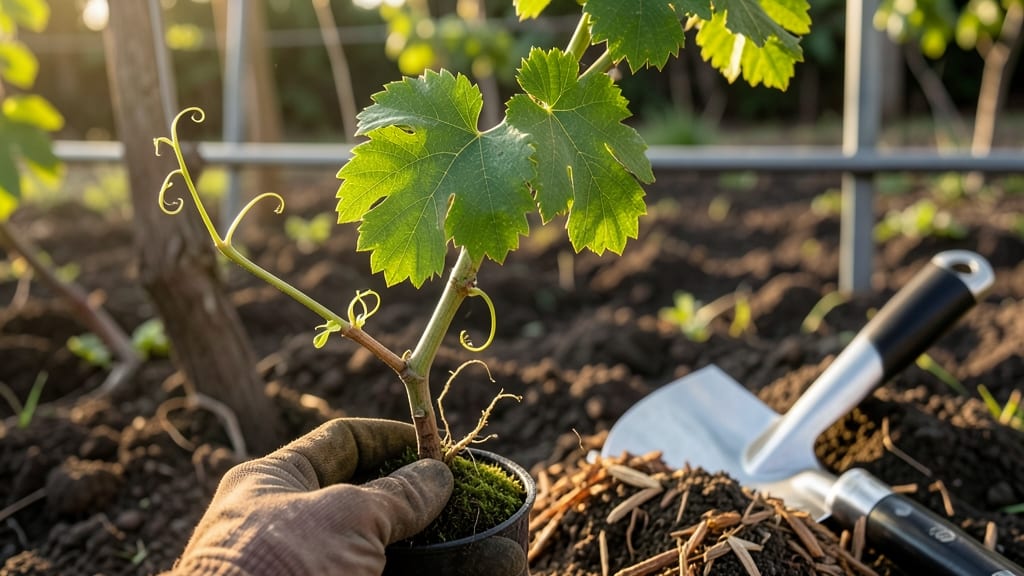
Planting grape vines in Texas isn’t just about the calendar—it’s about playing the frost game right. A single late freeze can turn your $50 investment into a sad pile of brown stems, while planting too late risks weak roots before summer’s scorching heat.
The perfect window depends on your microclimate, and getting it wrong means smaller harvests—or no grapes at all.
Here’s the truth: North Texas gardeners should start by January 15, while South Texas growers can wait until March 1 without risking frost damage. But timing isn’t just about dates—it’s about soil temperature, vine dormancy, and even which grape variety you choose.
I’ll break down the exact steps to give your 🍇 vines the best shot at thriving in Texas’ unpredictable weather.
Why does this matter? Because a well-timed planting means faster root establishment, bigger yields, and grapes that actually ripen before the heat sets in. Skip the guesswork and follow these science-backed strategies to turn your backyard into a productive vineyard—no matter where you are in the Lone Star State.
Ready to avoid the most common mistakes? Let’s dive into the exact planting windows for your region, plus pro tips to outsmart Texas’ wild weather swings. Your future harvest starts with the right move now.
Texas grape planting Zones: exact start dates by microclimate for frost-free growth
Texas’ diverse microclimates mean your grape vine planting window could vary by 6+ weeks from North to South.
Understanding your USDA hardiness zone and historical frost dates is critical—plant too early in North Texas, and a late freeze could kill your vines; plant too late in South Texas, and your grapes may struggle to ripen before summer’s heat.
Here’s the precise timing for each region to ensure frost-free growth.
Grapes thrive when planted during their dormant season (winter) or early spring, but Texas’ unpredictable weather demands flexibility. North Texas gardeners (Zones 7b-8a) face higher frost risk until mid-March, while South Texas (Zones 9a-10b) can plant as late as early April without frost concerns.
Central and West Texas fall somewhere in between, with transition zones requiring careful monitoring.
For bare-root vines, aim to plant when soil temperatures hover around 45-55°F—this ensures roots establish before heat stress sets in. Container-grown vines offer more flexibility, allowing you to plant 2-4 weeks later than bare-root varieties.
Below, we’ve broken down the exact planting windows by region, using 30-year frost data to minimize risk.
| Region | USDA Zone | Avg. Last Frost | Ideal Planting Window | Soil Temp. Goal | Key Notes |
|---|---|---|---|---|---|
| North Texas (Dallas/Fort Worth) | 7b-8a | Feb 15 | Jan 15 - Feb 28 | 45-55°F | Use row covers if planting before Feb 1 |
| Central Texas (Austin/San Antonio) | 8a-8b | Feb 28 | Feb 1 - Mar 15 | 50-60°F | Monitor winter temps—can drop below freezing |
| South Texas (Houston/Corpus Christi) | 9a-10b | Mar 15 | Feb 15 - Apr 1 | 55-65°F | Heat-tolerant varieties like Muscadines thrive here |
| West Texas (El Paso/Midland) | 7b-8a | Feb 10 | Jan 1 - Feb 20 | 40-50°F | Drought-resistant varieties recommended |
In North Texas, where frost dates are unpredictable, I recommend planting bare-root vines by January 15 to give roots time to establish before potential late freezes. Use mulch heavily (4-6 inches) to insulate roots.
For container-grown vines, extend your window to March 1—they handle heat better and can be moved indoors if frost threatens.
Central Texas gardeners have a wider margin for error thanks to milder winters, but don’t wait too long. Planting after March 15 risks heat stress before roots are fully established.
If you’re in Austin or San Antonio, prioritize well-draining soil to prevent root rot during the hot, humid summers that follow.
South Texas offers the most flexibility, with frost-free windows extending into early April. This is ideal for heat-loving varieties like Scuppernong or Albariño
How to adjust planting time for Texas’ unpredictable weather patterns
Texas’ weather can shift from freezing nights to 100°F heatwaves in weeks, making grape vine planting a high-stakes game. Muscadine grapes (native to Texas) handle heat better than European varieties, but both need precise timing to thrive.
Start by checking your USDA hardiness zone—most of Texas falls between 8a-10b, but microclimates vary wildly.
For North Texas (Zones 8a-8b), aim for January-February planting when soil temps hover around 50-60°F. In South Texas (Zones 9a-10b), you can plant as late as March-April thanks to milder winters. The key is avoiding late spring frosts (common in April) that can kill tender new growth.
⚠️ callout-warning
Soil temperature is your best early warning system. Use a soil thermometer—grapes need 55-65°F soil to root properly. In West Texas, where drought is a bigger threat, container growing gives you flexibility to move vines to shadier spots during heatwaves.
Add organic matter (compost or aged manure) to improve water retention.
If you miss the ideal window, don’t panic. Container-grown vines can be planted in early spring (March-April) and still establish roots before summer.
Just water deeply every 3-5 days and prune aggressively to manage heat stress. Drip irrigation keeps roots cool and reduces evaporation—critical for European varieties struggling in Texas heat.
For Muscadines, which thrive in Texas’ humidity, focus on well-draining soil and acidic pH (5.5-6.5).
European grapes prefer slightly alkaline soil (6.5-7.5), so test and amend accordingly. Mulch with pine straw to retain moisture and suppress weeds—both are major concerns in Texas’ dry spells and heavy rains.
Pro tip: Plant bare-root vines in winter dormancy (December-February) for the fastest root establishment. If using potted vines, avoid transplant shock by watering thoroughly before planting and staking immediately to support new growth.
With these adjustments, your grape vines will beat Texas’ weather—not the other way around! 🍇