
Plants
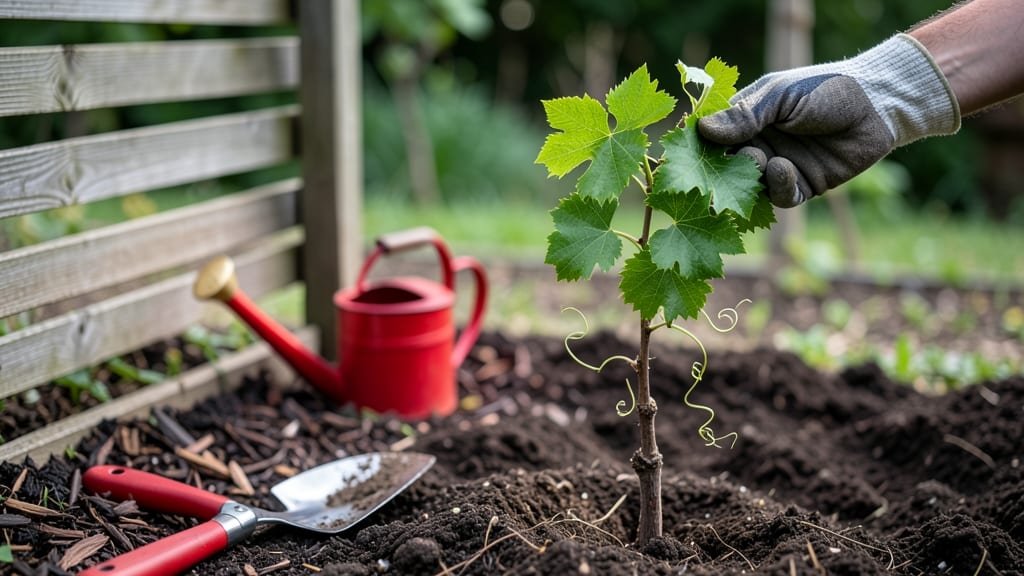
When to plant grapes in Colorado can make all the difference between a flourishing vineyard and a frost-bitten failure—but don’t worry, I’ve got the exact timing for your microclimate. Whether you’re in Denver’s 5,280-foot zone or the sunbaked valleys near Grand Junction, knowing the best windows is everything. Colorado’s spring and fall seasons offer two perfect opportunities, but getting it wrong can leave your vines vulnerable to late frosts or stunted growth.
I’ll walk you through the best months for your specific region, how to prep your soil, and which cold-hardy varieties like 'Frontenac' or 'Valiant' will thrive in Colorado’s USDA Zones 5-8. Let’s make sure your grapes get the head start they deserve.
From container gardening to in-ground planting, I’ve tested the strategies that actually work—so you can avoid common pitfalls like late frosts or rocky soil. Ready to plant with confidence?
Optimal Colorado grape planting months by microclimate Zone
Colorado’s four distinct microclimates create wildly different growing conditions for grapes. The Front Range (Denver, Fort Collins) has USDA Zones 5-6 with late spring frosts, while the Western Slope (Grand Junction, Durango) enjoys Zone 7-8 warmth and longer growing seasons.
Meanwhile, the Eastern Plains (Pueblo, Lamar) face earlier frost risks in Zone 5-6, and the San Luis Valley (Alamosa) sits in Zone 6-7 with high elevation challenges. Getting your planting timing right means the difference between thriving vines and frost-nipped failures.
For spring planting, aim for March-April in most zones, but adjust based on your last frost date. The Front Range typically waits until mid-April to avoid late frosts that can damage young vines.
In contrast, the Western Slope can start as early as late February in lower elevations like Grand Junction, where warmer microclimates reduce frost risk. Fall planting is another viable option in September-October, giving vines time to establish roots before winter dormancy.
Your local frost patterns are the most critical factor. Check the USDA Plant Hardiness Zone Map for your exact location, then add 2-4 weeks to the average last frost date to determine your safe planting window.
For example, Denver’s last frost averages April 15, but planting in early May adds a buffer for unpredictable late cold snaps. In the San Luis Valley, where nights can still dip below freezing into May, consider container growing for added flexibility.
Here’s a quick comparison of planting windows by Colorado’s key microclimates, including frost risks and hardiness zones:
| Microclimate Zone | USDA Hardiness Zones | Spring Planting Window | Fall Planting Window | Key Frost Risk | Best Varieties |
|---|---|---|---|---|---|
| Front Range (Denver, Fort Collins) | 5-6 | Mid-April to early May | Late September to mid-October | Late spring frosts (May 1-15) | Frontenac, Cabernet Franc, Concord |
| Western Slope (Grand Junction, Durango) | 7-8 | Late February to March | October to early November | Minimal frost risk; heat stress in summer | Thompson Seedless, Flame Seedless, Cabernet Sauvignon |
| Eastern Plains (Pueblo, Lamar) | 5-6 | Early April to mid-May | Late August to September | Early frosts (October 1-15) | Valiant, Marquette, Niagara |
| San Luis Valley (Alamosa, Monte Vista) | 6-7 | Late April to May | Late September to October | High elevation frosts (May-June) | Frontenac Gris, Brianna, Aurora |
If you’re planting in containers, you gain flexibility to move vines to sheltered locations during late frosts or heatwaves. For in-ground planting, choose a south-facing slope to maximize sun exposure and warmth retention, especially in higher elevation zones like the San Luis Valley.
Amend your soil with compost and sand to improve drainage, as waterlogged roots are a major issue for grapes in Colorado’s
How Colorado’s elevation and frost patterns affect grape planting
Colorado’s elevation variations create dramatic differences in grape-growing conditions. At Denver’s 5,280 feet, vines experience cooler nights and shorter growing seasons compared to Grand Junction’s 4,500 feet, where heat summation pushes grapes to maturity faster.
Meanwhile, Aspen’s 7,800 feet presents unique challenges like earlier frosts and shorter frost-free periods. These factors directly impact your planting window and grape variety selection.
Understanding your local frost patterns is critical. The USDA Plant Hardiness Zone Map helps estimate your last frost date, but Colorado’s microclimates mean Denver’s average last frost (April 15) can occur weeks after Grand Junction’s (March 15).
High-elevation areas like Fort Collins or Leadville may face frosts as late as May 1, requiring careful timing for spring planting.
Elevation affects heat accumulation—the degree days needed for grapes to ripen. Lower elevations like the Western Slope accumulate 3,000+ degree days, while Front Range areas typically reach 2,500-2,800 degree days. This means varieties like 'Cabernet Franc' thrive in lower zones, while 'Frontenac' excels in cooler, higher elevations.
| Elevation Zone | Avg Last Frost | Frost-Free Days | Best Planting Window | Recommended Varieties |
|---|---|---|---|---|
| 4,500-5,500 ft (Grand Junction) | March 15-April 1 | 150-180 days | March-April or Sept-Oct | Cabernet Franc, Chardonnay |
| 5,500-7,000 ft (Denver) | April 1-15 | 120-150 days | April-May or Sept | Frontenac, Valiant |
| 7,000-8,500 ft (Aspen) | May 1-15 | 90-120 days | May-June or Aug-Sept | Concord, Marquette |
To calculate your local last-frost date, use the USDA Interactive Plant Hardiness Map and cross-reference with Colorado State University’s frost data. For example, Boulder’s elevation (5,430 ft) typically sees its last frost around April 5, while Colorado Springs (6,035 ft) averages April 10.
These dates shift yearly, so monitor local weather forecasts in late March for real-time adjustments.
For high-elevation areas, consider fall planting (September-October) to give vines time to establish roots before winter. In lower elevations, spring planting (March-April) aligns better with warmer soil temperatures. Always plant 2-3 weeks after your average last frost to avoid cold damage to emerging shoots.
Pro tip: Use row covers or cold frames if planting early in high-elevation zones. These tools can extend your growing season by 2-4 weeks and protect young vines from unexpected late frosts. Pair this with well-draining soil and full sun exposure to maximize your grapevine’s success at any elevation.