
Plants
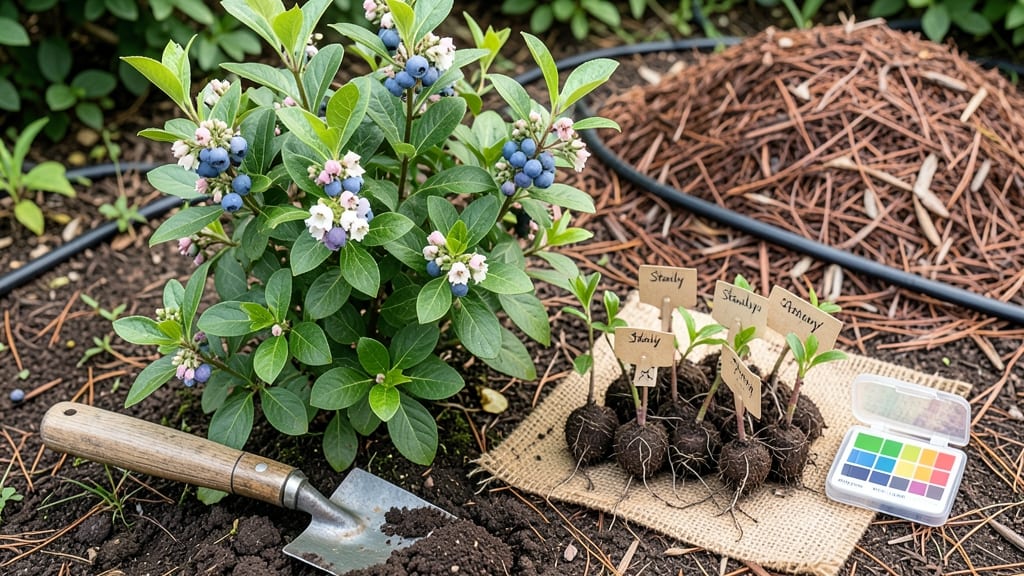
Timing your blueberry planting in Colorado can mean the difference between a thriving 🫐 bush and one that struggles through the season. The key window—late April through early June or September to early October—aligns with soil warmth and frost risks, but Colorado’s microclimates twist the rules for each region.
If you’re in the Front Range, aim for early May when frost danger fades, while Western Slope gardeners can plant slightly earlier thanks to milder nights. Eastern Plains growers? Wait until late May to avoid late frosts that can devastate young roots. These small adjustments make all the difference.
Beyond months, soil prep is your secret weapon. Blueberries crave acidic soil (pH 4.5–5.5) and consistent moisture—two challenges in Colorado’s alkaline earth. I’ll show you how to tweak your soil and protect your bushes from our unpredictable swings between drought and hail.
Whether you’re digging in-ground or choosing containers, these strategies will help your blueberries take root strong. Ready to plant with confidence? Let’s break down the exact steps for your corner of Colorado.
Best planting months for blueberries in Colorado’s 3 key microclimates
Colorado’s diverse climate zones demand precise timing when planting blueberries. The Front Range, Western Slope, and Eastern Plains each have unique frost patterns and soil conditions that dictate the best windows.
Planting too early risks frost damage, while waiting too long can stunt root establishment before winter. Let’s break down the ideal months for each microclimate to ensure your bushes thrive from the start.
For all regions, soil temperature is critical—blueberries need 45°F+ consistently before planting. Use a soil thermometer to confirm readiness, especially in high-altitude areas where cold snaps linger.
In Colorado, last frost dates vary dramatically: Denver’s Front Range averages April 20th, while Grand Junction’s Western Slope may see frost as late as May 10th.
| Region | Ideal Planting Window | Soil Temp Threshold | Key Consideration |
|---|---|---|---|
| Front Range (Denver, Boulder) | Late April - Early June | 45°F+ consistently | Late frosts common; use row covers if planting early |
| Western Slope (Grand Junction, Aspen) | Early May - Mid-June | 50°F+ (higher elevation delays) | Dry soils; mulch heavily to retain moisture |
| Eastern Plains (Colorado Springs, Pueblo) | Mid-April - Late May | 40°F+ (warmer than Front Range) | Wind exposure; plant near windbreaks |
| All Regions (Fall Planting) | September - Early October | Soil >50°F (6 weeks before first frost) | Best for established roots before winter |
In the Front Range, where USDA Zone 5-6 dominates, aim for late April to early June planting. This window balances the risk of late frosts with the need for warm soil. For example, Boulder’s average last frost is April 25th, so wait until May 1st to be safe.
Use row covers if you plant earlier to protect young shoots from unexpected cold snaps.
On the Western Slope, higher elevations like Aspen (Zone 5) require patience—plant between May 1st and June 15th when soil temperatures reliably stay above 50°F. Areas like Grand Junction (Zone 7) can plant slightly earlier (April 20th), but monitor nighttime temperatures closely.
The arid climate here means mulching with pine needles is essential to retain moisture and acidity.
For the Eastern Plains, where Colorado Springs (Zone 5-6) experiences earlier springs, mid-April to late May works best. The region’s lower humidity and windy conditions make windbreaks a must—plant near fences or shrubs to protect young plants.
If you’re in Pueblo (Zone 6), you can push planting to late May without risking frost damage.
Fall planting is often overlooked but ideal for Colorado’s climate. Plant between September and early October when soil temperatures drop below 60°F but remain above 50°F. This gives roots time to establish before winter dormancy.
In Denver, aim for September 15th; in Grand Junction, wait until October 1st to avoid heat stress.
Regardless of timing, always amend your soil with peat moss or sulfur to achieve the ideal pH of 4.5-5.5. Test your soil before planting—Colorado’s alkaline soils often need adjustments. For container gardening, use acid-loving plant mixes and fertilize with cottonseed meal every 6 weeks during the growing season.
Pro tip: If you miss the spring window, don’t despair—bare-root blueberries can be planted in fall as long as they’re established before November 1st. Just ensure they have 6+ hours of sun and well-draining soil to prevent winter rot.
With the right timing, your bushes will reward you with juicy blueberries in July-August!
🌱
How Colorado’s altitude and soil affect blueberry planting timing
Colorado’s elevation creates dramatic differences in planting success for blueberries. At 5,000 feet, like Denver, you’ll have a longer growing season with milder winters, while 8,000 feet areas like Aspen face shorter seasons and colder soils.
These differences directly impact when you should plant and how to prepare your soil for optimal growth.
Blueberries thrive in acidic soil (pH 4.5-5.5), but Colorado’s alkaline soils often need adjustments. Higher elevations also mean cooler soils that take longer to warm up in spring, delaying planting windows. Understanding these factors ensures your bushes establish strong roots before winter arrives.
Critical Altitude Warning
Planting too early at high elevations risks frost damage, while delaying at lower elevations can stress young roots before winter. Test your soil’s pH and temperature before planting—blueberries won’t thrive in alkaline or cold soils.
Action: Use a DIY pH kit (available for $10) to check soil acidity 2 weeks before planting. Aim for pH 4.5-5.5—lower elevations may need sulfur amendments, while high elevations benefit from peat moss.
At 5,000 feet, aim to plant blueberries in late April to early May when soil temperatures reach 50°F (10°C). This timing gives bushes 6-8 weeks to establish roots before Colorado’s first frost in mid-October.
Lower elevations also benefit from fall planting (September), allowing roots to settle before winter.
Higher elevations (7,000+ feet) require adjustments: plant in late May to early June when soils warm, or opt for early September planting. These areas need hardier varieties like 'Patriot' or 'Bluecrop,' which tolerate colder soils and shorter growing seasons.
Always check your last frost date—high-altitude gardens can have late May frosts.
Soil preparation is just as critical as timing. Amend your soil with peat moss or pine needles to lower pH, and mix in compost for fertility.
At higher elevations, add extra organic matter to improve drainage and warmth retention. Mulch with pine straw to maintain acidity and protect roots from temperature swings.
For urban gardeners or small spaces, container planting offers flexibility. Use acidic potting mix and larger pots (15+ gallons) to accommodate root growth. Containers warm faster in spring, giving you a 2-3 week earlier planting window than ground soil.
Just ensure pots have drainage holes to prevent root rot in Colorado’s variable rainfall.
Remember: blueberries need 6+ hours of sun daily, but higher elevations may have intense UV exposure. Provide afternoon shade if your garden is above 6,000 feet to prevent leaf scorch. With the right timing and soil prep, your blueberries will thrive whether you’re gardening in Denver or Durango.