
Planting
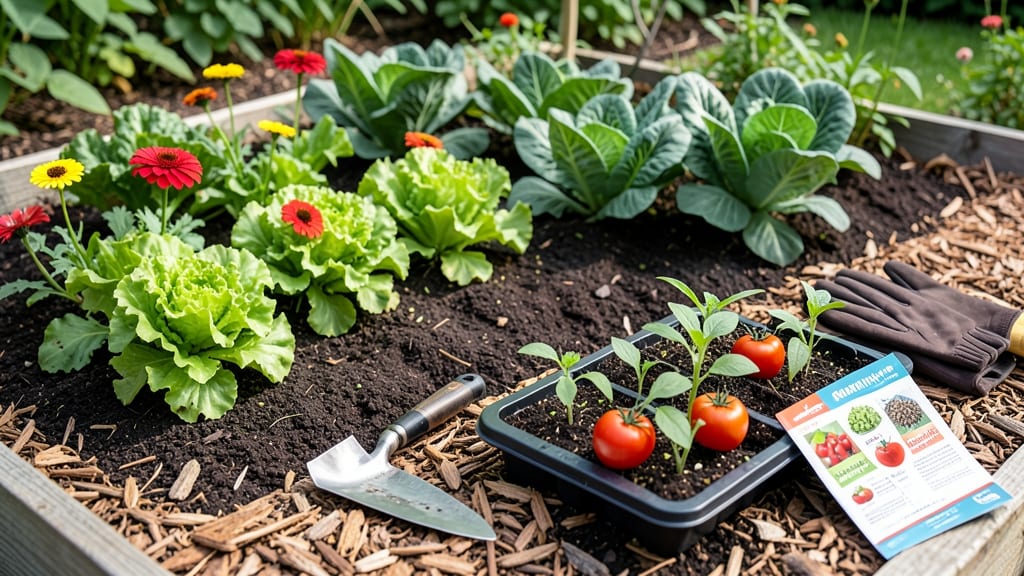
Planting your garden in Arkansas at the wrong time can mean the difference between a lush harvest and a sad, wilted mess—especially when you're dealing with 7a-8b zones where frost lingers in the Delta but the Ozarks stay cooler longer.
I’ve seen firsthand how a few weeks can change everything: too early, and frost zaps your seedlings; too late, and summer heat turns your greens to mush before they mature.
The key is knowing exactly when to plant your 🌱 General Garden Plants—whether you're growing tomatoes in the River Valley or herbs in the mountains.
What if you could avoid those common mistakes and align your planting with Arkansas’s ideal months—March and April for spring, August and September for fall? That’s the secret to a thriving garden, and I’m breaking it down so you can get it right the first time.
Let’s dive into the microclimate-specific planting schedule that’ll help you beat frost, avoid heat stress, and enjoy fresh veggies all season long. Ready to grow like a pro?
Arkansas planting zones: when to start seeds and transplant by region
Arkansas spans USDA hardiness zones 6a through 8a, creating a patchwork of planting opportunities. The Ozark Mountains in northern Arkansas (Zones 6a-7a) experience cooler springs and later last-frost dates, while the River Valley (Zones 7b-8a) enjoys warmer winters and earlier planting windows.
Understanding these differences helps you avoid frost damage or heat stress in seedlings.
For cool-season crops like cabbage and broccoli, start seeds indoors 8-10 weeks before your last frost date. In the Ozarks, this means mid-January to early February, while River Valley gardeners can begin late February to March.
Warm-season crops like tomatoes and peppers should wait until after your last frost date, typically mid-March to early April in the north and late February in the south.
Here’s how Arkansas’s regions compare for seed-starting and transplanting:
In Zone 6a (northern Ozarks), hardy crops like kale and spinach can survive light frosts, so you can transplant them as early as March 15.
Meanwhile, Zone 8a gardeners in the River Valley can plant tomatoes and peppers as early as February 28 for a head start on the growing season.
For warm-season crops, wait until soil temperatures exceed 60°F—typically mid-April in the north and early April in the south. Use a soil thermometer to confirm. Heat-loving plants like okra and sweet potatoes thrive in Arkansas’s summer heat, but avoid transplanting them until after the last frost.
Microclimates matter! Urban areas like Little Rock may experience 2-3°F warmer temperatures than rural zones, allowing for earlier plantings. Conversely, valley bottoms can trap cold air, delaying your last frost date by 1-2 weeks. Observe your local patterns for 3-5 years to refine your schedule.
Adjust for fall planting too: Cool-season crops like carrots and radishes can be sown as late as September 15 in Zone 7a, while Zone 8a gardeners can extend planting until October 15. Use row covers to protect tender seedlings from early autumn frosts.
Pro tip: Start a seed journal to track your local frost dates and planting success. Over time, you’ll fine-tune your schedule to Arkansas’s quirks—whether it’s late-spring frost pockets in the Ozarks or humidity delays in the Delta. Your garden’s success depends on it!
🌱
Month-by-month Arkansas planting calendar: what to sow in February vs. June
Arkansas’s diverse climate means your planting schedule should shift dramatically from February’s cool to June’s scorching heat. In the Delta region (Zone 8a), you can push warm-season crops earlier, while the Ozarks (Zone 7a) need to wait for frost danger to pass.
Let’s break down what to sow each month to maximize your harvest.
February is all about indoor seed-starting and cool-season prep. This is the time to sow onion sets and spinach directly outdoors in protected beds, while tomato and pepper seeds begin their journey indoors under grow lights. Southern Arkansas gardeners can even direct-sow radishes and turnips if temperatures stay mild.
📋 Month-by-Month Arkansas Planting Summary
By June, Arkansas’s summer heat is in full swing, and your focus shifts to heat-loving crops and succession planting. Direct-sow okra and sweet potatoes in late May, then every 2 weeks plant green beans and bush peas for continuous harvests.
For Zone 8a gardeners, varieties like 'Jupiter' peppers and 'Clemson Spineless' okra thrive in the intense heat.
Don’t forget to mulch heavily in June to retain moisture and water deeply in the morning to avoid fungal issues. For shade-loving crops like lettuce or basil, use row covers or plant near taller crops to protect them from the midday sun.
Pro tip: Mark your calendar for late July—this is when you’ll start prepping beds for fall planting of cool-season crops like kale and broccoli. The key to Arkansas gardening is adapting to microclimates—what works in Little Rock may need adjustments in Fayetteville or El Dorado.
With this month-by-month guide, you’ll avoid the common pitfalls of planting too early or too late, ensuring your Arkansas garden thrives year-round. Happy planting! 🌱