
Plants
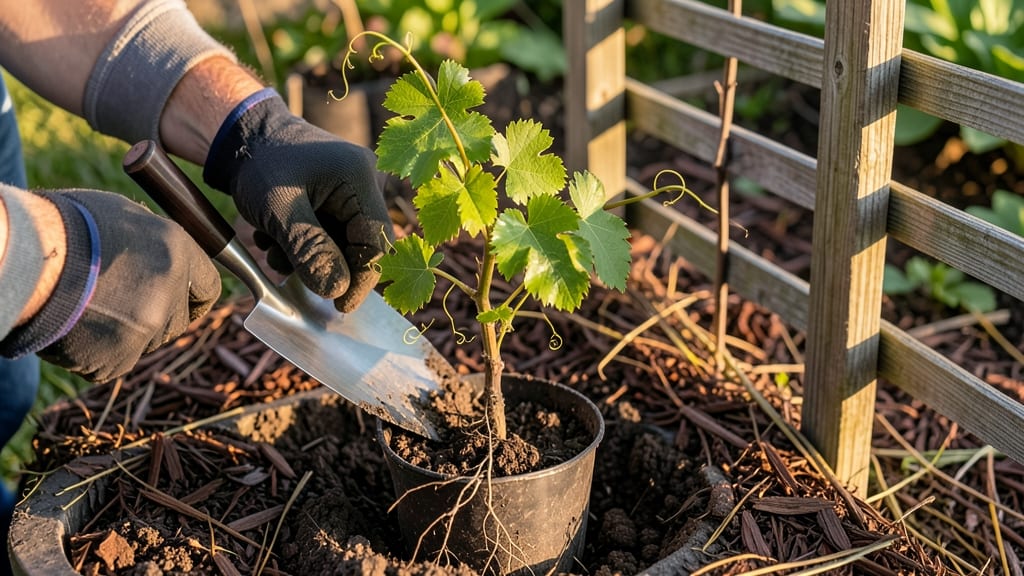
Planting grape vines at the wrong time in California can mean the difference between a bountiful harvest and struggling vines that never quite recover.
The perfect window depends on your USDA zone—whether you're in foggy coastal areas, the Central Valley's heat, or the desert's mild winters—each demands a slightly different approach.
For most of California, late winter to early spring is the golden period to get those roots established before summer heat kicks in. Coastal growers (Zones 9-10) should aim for February-March, while inland valleys (Zones 8-9) have a bit more flexibility until April.
Desert regions (Zones 10-11) can even plant as early as December, thanks to their frost-free growing conditions.
But timing isn't just about the calendar—it's about soil prep, frost risk, and whether you're planting bare-root vines or potted ones. A well-timed planting means stronger vines, better fruit set, and fewer headaches down the road.
Let's break down exactly what you need to know for your specific corner of the Golden State.
Whether you're dreaming of lush 🍇 vines or just want to avoid common pitfalls, getting the timing right is the first step to a thriving grape harvest. I'll walk you through everything—from zone-specific dates to pro tips that'll have your vines flourishing in no time.
California’s best grape vine planting months by USDA zone (with exact dates)
California’s USDA zones 7-11 create wildly different conditions for grape vines—from coastal fog in San Francisco to scorching desert heat in Palm Springs. Planting at the wrong time means stunted growth, poor fruit set, or even vine death.
The key? Aligning your planting with local frost dates, soil warmth, and rainfall patterns to give vines the best shot at thriving.
Most California gardeners focus on late winter to early spring planting, but fall planting works in frost-free zones like coastal areas. Below, I’ve broken down the exact planting windows by zone, including tradeoffs between spring and fall approaches.
Pro tip: Bare-root vines need moist soil to establish roots, while container-grown vines offer more flexibility for off-season planting.
Why timing matters: Grapes need 120-180 frost-free days to mature. Plant too early in cold zones, and vines won’t harden off before winter. Plant too late, and they’ll struggle to establish roots before summer heat. The sweet spot? 6-8 weeks before your last frost date for spring planting, or 8-10 weeks before first frost for fall.
In Zone 7 (northern California), where frost lingers until April, your only safe window is late March to mid-April. Plant too early, and vines may suffer frost damage before rooting. I’ve seen gardeners in Redding use row covers for extra protection if planting in early March.
For Zone 8 (Central Valley), the window shifts earlier—late February to March—to capitalize on warming soils. Here, fall planting is risky due to December frosts, but you can plant in October if using container-grown vines and protecting them with mulch.
Zone 9 offers the most flexibility. Coastal areas (like Santa Barbara) thrive with fall planting (October–November), while inland valleys (like Fresno) prefer spring. The tradeoff? Fall-planted vines establish roots before summer drought, but spring planting gives vines a longer growing season for fruit development.
In Zones 10-11, the rules change entirely. Desert regions like Palm Springs can plant year-round, but winter (December–February) is ideal. Why? Cooler temps reduce transplant shock, and vines establish roots before 100°F+ summers.
I’ve had success planting Thompson Seedless in January with drip irrigation running daily for the first month.
How to adjust planting timing for California’s microclimates (coast vs. Valley vs. desert)
California’s microclimates create wildly different conditions for grape vines. In coastal fog zones like San Francisco (USDA Zones 9-10), cool temperatures and morning mist mean you can plant as early as late January—but avoid late spring when fog delays dormancy.
Meanwhile, Central Valley growers in Fresno (Zones 8-9) must wait until March to escape late frosts, while desert regions like Palm Springs (Zones 10-11) enjoy year-round planting with no frost risk.
The key difference? Frost timing and soil warmth. Coastal areas have 300 frost-free days, while inland valleys drop to just 240 days. Desert zones? 365 frost-free days—perfect for planting bare-root vines even in December.
But soil temperature matters more than the calendar: aim for 60°F+ soil before planting to ensure root establishment.
Here’s the critical adjustment you need for each region:
Grape Vine Planting by Microclimate
In coastal areas, prioritize drainage—foggy mornings can lead to root rot if soil stays soggy.
Mix in perlite or sand to improve airflow, and mulch with straw to retain moisture during dry afternoons. Central Valley soils often compact under summer heat, so till in 3 inches of compost before planting to lock in moisture and nutrients.
For desert regions, the biggest challenge is overwatering. Use drip irrigation to deliver water directly to roots, and avoid wetting leaves to prevent fungal diseases like powdery mildew.
Desert vines also thrive with minimal pruning—let them grow naturally to conserve water. If you’re planting in containers, choose fabric pots to prevent root circling and ensure proper drainage.
One final tip: Test your soil’s pH before planting—grape vines prefer 6.0-6.5. Coastal soils often lean acidic, while desert soils can be alkaline. Adjust with lime (to raise pH) or sulfur (to lower pH) as needed.
With these microclimate-specific tweaks, your grape vines will establish strong roots and reward you with bountiful harvests every season. 🍇