
Plants
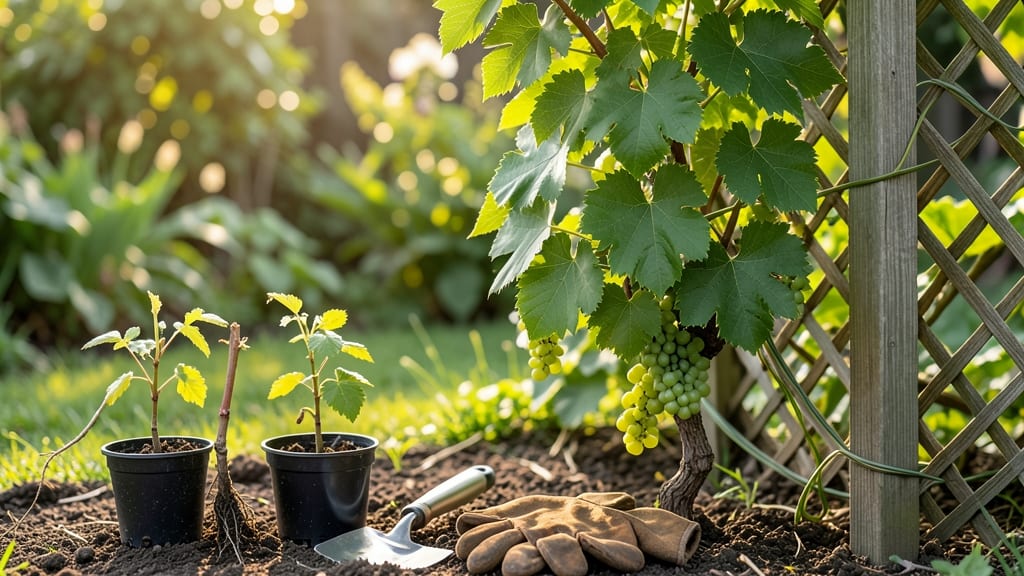
Planting grape vines in Georgia isn’t just about timing—it’s about matching the right variety to your local chill hours for a reliable harvest. 🍇 Too early, and your vines may wilt in the heat; too late, and they won’t establish strong roots before winter.
The key is knowing whether your Muscadine thrives in September’s mild weather or if a Norton needs the cooler air of February’s dormancy break.
Georgia’s 7b-8b climate gives you two prime windows: late winter/early spring or early fall. But here’s the catch—some varieties, like Scuppernong, demand 300+ chill hours, while others, like Cynthiana, get by with far less.
Get this wrong, and you might end up with weak vines or no fruit at all.
I’ve spent years testing what works in Georgia’s heat and humidity, and I’ll show you exactly how to align planting with your grape’s needs—plus how to prep soil and avoid common mistakes that derail even the most eager gardeners.
Ready to turn your backyard into a vineyard? Let’s break down the best months, soil tricks, and pruning secrets so you can enjoy August’s first ripe clusters without the guesswork.
Georgia’s optimal grape planting timeline by chill-hour zones
Georgia’s climate spans USDA zones 7b-8b, creating microclimates where chill-hour requirements dictate the best planting windows for grape vines. Most varieties need 150-300 chill hours (temperatures between 32°F and 45°F) to break dormancy.
In Northern Georgia (Piedmont/Blue Ridge), chill hours are higher (300+), while Southern Georgia (Coastal Plain) sees fewer (150-200).
For bare-root vines, aim for late winter (February-March) when soil temperatures rise above 50°F. This gives roots time to establish before summer heat. Potted vines thrive when planted in early fall (September-October), allowing roots to settle before winter dormancy.
Soil temperature is critical—wait until it reaches 55°F+ at 6 inches deep before planting. Use a soil thermometer to avoid heat stress in young vines. In Zone 8a, this typically aligns with mid-March for spring planting.
Georgia’s first frost usually arrives in mid-November, so fall planting must occur 6-8 weeks before frost. For low-chill varieties (<150 hours), like Muscadine, September is ideal. High-chill varieties (300+ hours) need Northern Georgia’s cooler microclimates and should be planted in late winter.
🌱
Georgia Grape Planting Timeline by Chill-Hour Zone
| Zone & Location | Chill Hours | Best Planting Window | Soil Temp Requirement | Dormancy Trigger |
|---|---|---|---|---|
| Northern GA (Zone 7b) | 300+ hours | Late Feb - Early Mar | 55°F+ (6" deep) | First frost (Nov 15) |
| Central GA (Zone 8a) | 150-300 hours | Sep 15 - Oct 15 | 60°F+ (6" deep) | First frost (Nov 1) |
| Southern GA (Zone 8b) | <150 hours | Sep 1 - Oct 1 | 65°F+ (6" deep) | First frost (Oct 31) |
Note: Adjust for microclimates—higher elevations in Northern GA may need later spring planting.
Northern Georgia’s Piedmont region (e.g., Athens, Dahlonega) supports high-chill varieties like Cabernet Sauvignon or Chardonnay, while Southern Georgia’s Coastal Plain (e.g., Savannah, Brunswick) thrives with low-chill Muscadines. Test your chill hours using local weather data to avoid mismatches.
If planting in fall, prioritize root establishment over vine growth. Water deeply 2-3 times per week until roots spread 12-18 inches deep. Mulch with wood chips (3-4 inches) to insulate roots during winter temperature swings.
For spring planting, time it with bud break—wait until buds swell but haven’t yet opened. In Zone 8a, this is usually late March. Prune 1/3 of last year’s growth during planting to redirect energy to root development.
🌿
Georgia’s humid summers demand fungal-resistant varieties like Norton or Scuppernong. If planting in fall, choose container-grown vines to avoid transplant shock. For bare-root vines, soak roots in water + mycorrhizal fungi for 2 hours before planting to boost root health.
Pro tip: Use a trellis or arbor from day one—grape vines need vertical support to prevent disease and improve airflow. Install posts 6-8 feet tall and train vines immediately after planting to establish good habits.
✂️
Top 5 Georgia-grown grape varieties and their planting secrets
Georgia’s grape-growing heritage shines with five standout varieties that thrive in its unique climate. Whether you’re dreaming of sweet Muscadines or bold Norton wines, each grape has specific planting needs tied to soil, spacing, and seasonal timing.
Let’s dive into the top five Georgia grapes and the secrets to their success—from ideal planting months to soil pH preferences that’ll set your vines up for a bountiful harvest.
First, Georgia’s Muscadine grapes (like Scuppernong and Carlos) are the state’s native superstars. These thick-skinned grapes love acidic soil (pH 5.5-6.5) and warm, humid summers. Plant them in late winter (February-March) or early fall (September-October) when soil temps hover around 50-60°F.
Their sprawling vines need 10-15 feet of horizontal space, making them perfect for trellises or arbors in backyard gardens.
- 🍇 Muscadine (e.g., Scuppernong): Plant in February-March or September-October; pH 5.5-6.5; 10-15 ft spacing
- 🍷 Norton (Cynthiana): Late winter dormancy (Feb); pH 6.0-7.0; 8-10 ft spacing for compact growth
- 🍇 Cabernet Sauvignon: September-October for root establishment; pH 6.0-7.5; 6-8 ft spacing
- 🍇 Black Spanish: Early spring (March) or fall (October); pH 6.0-7.0; 8-12 ft spacing
- 🍇 Thompson Seedless: Late winter (Feb) for early harvests; pH 6.5-7.5; 6-8 ft spacing
Pro Tip: Test soil pH before planting—amend with sulfur (to lower pH) or lime (to raise pH) as needed.
Next up is Norton (Cynthiana), Georgia’s signature wine grape. This variety thrives in slightly alkaline soil (pH 6.0-7.0) and prefers late winter planting (February) to take advantage of its moderate chill-hour needs (300-400 hours).
Norton’s vines are more compact than Muscadines, so 8-10 feet of spacing is ideal. For backyard growers, this means you can fit two vines on a single trellis without crowding.
For wine enthusiasts, Cabernet Sauvignon is a bold choice that demands fall planting (September-October) to establish roots before Georgia’s hot summers. This variety prefers slightly alkaline soil (pH 6.0-7.5) and 6-8 feet of spacing to promote airflow and reduce fungal risks.
If you’re planting in North Georgia (USDA Zone 7b), aim for bare-root vines in early fall to avoid heat stress during dormancy.
Black Spanish grapes are another Georgia favorite, prized for their juicy, seedless fruit perfect for fresh eating. These vines love well-draining soil (pH 6.0-7.0) and can handle both spring (March) and fall (October) planting. Give them 8-12 feet of space to sprawl, or train them vertically on a strong trellis system to save space. Black Spanish grapes are heat-tolerant, making them ideal for Georgia’s Coastal Plain region.
Finally, Thompson Seedless grapes are the workhorse of Georgia’s table grape industry. These vines prefer slightly alkaline soil (pH 6.5-7.5) and late winter planting (February) to ensure a long growing season for sweet, seedless fruit.
With 6-8 feet of spacing, they’re perfect for small backyard vineyards or commercial plots. For best results, pair them with a drip irrigation system to maintain consistent moisture during Georgia’s dry summer months.
No matter which variety you choose, remember: soil prep is key. Amend your soil with compost and organic matter before planting, and mulch heavily to retain moisture.
With the right variety, timing, and care, your Georgia grape vines will reward you with years of delicious harvests—whether you’re making wine, jellies, or fresh snacks! 🍇