
Plants
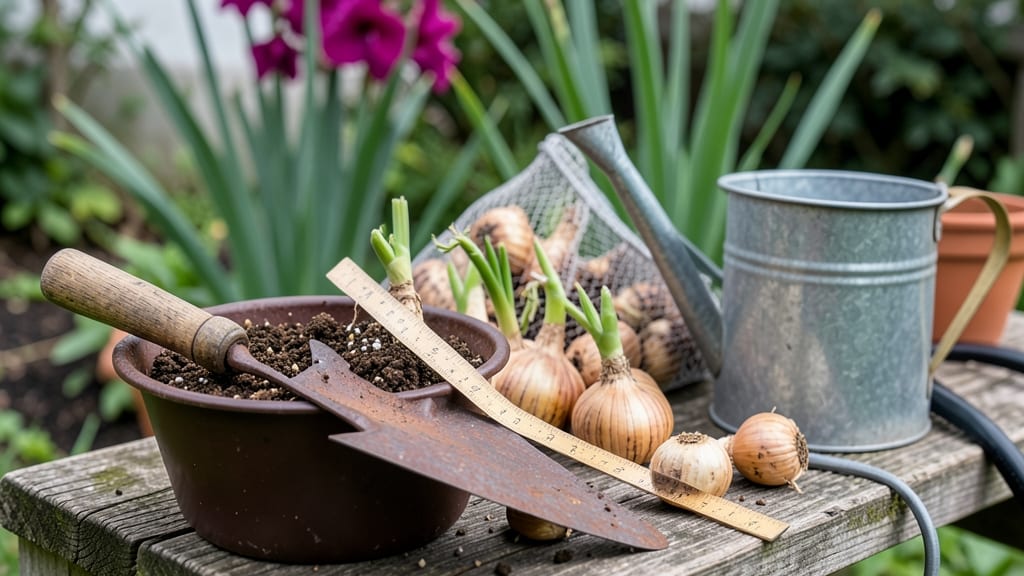
Planting gladiolus bulbs in Oregon isn't just about the calendar—it's about reading your local microclimate like a pro. Those late-spring frost warnings or sudden heat spikes can turn a perfect bloom into a flop if you don't time it right.
I've learned the hard way that Portland's 7b zone plays by different rules than the high desert's 9a, and getting this wrong means waiting months for those dramatic 🌸 spikes to appear.
For most Oregon gardeners, the sweet spot is April to early June, but that's where the guessing game begins. Coastal areas might wait until May to avoid chilly soils, while Eastern Oregon can plant as early as March if the ground warms fast.
The key? Soil temperature—not just frost dates—because gladiolus bulbs need that 60°F threshold to wake up properly.
I'll show you exactly how to adjust your planting schedule based on your specific corner of Oregon, from soil prep tricks to backup plans for unpredictable weather.
Whether you're in the Willamette Valley or the Columbia Gorge, these insights will help you time your planting for bold summer blooms that last through October.
Let's dive into the microclimate-specific timing that makes all the difference between a garden full of flops and one packed with showstopping 🌸 flowers. You'll discover how to work with Oregon's quirks instead of against them—no more waiting until July to get those dramatic blooms!
Best planting months for gladiolus bulbs in Oregon’s 5 key microclimates
Oregon’s gladiolus bulbs thrive when planted at the right time, but the perfect window shifts dramatically across the state.
Whether you’re in the mild coastal fog of Astoria or the hot desert of Bend, understanding your microclimate’s last frost date and soil temperature is key to avoiding frost damage or stunted growth.
Let’s break down the ideal planting months for Oregon’s five distinct regions, so you can enjoy bold summer blooms from June through September.
Gladiolus bulbs need consistent warmth to sprout, so timing is everything. In USDA Zones 7b-9a, most gardeners aim for April through June, but your exact window depends on where you live.
For example, Portland’s Willamette Valley typically plants in early May, while high-desert areas like Bend can start as early as late March. The rule of thumb? Plant bulbs 4-6 weeks before your last frost date and when soil temps hit 60°F (15°C)—a critical threshold for gladiolus growth.
🌱
Oregon Gladiolus Planting Guide by Microclimate
| Region | Last Frost Date | Ideal Planting Window | Soil Temp Threshold | Notes |
|---|---|---|---|---|
| Willamette Valley (Portland) | Mid-March | Early May | 60°F (15°C) | Cooler nights; mulch to retain heat. |
| Coastal Oregon (Astoria) | Late April | Late May | 65°F (18°C) | Wait for fog to lift; use black plastic mulch. |
| Eastern Oregon (Bend) | Mid-April | Late March-Early April | 55°F (13°C) | Early heatwave risk; plant deeper. |
| Columbia Gorge | Early April | Mid-April | 58°F (14°C) | Frost pockets; choose sheltered spots. |
| High Desert (La Grande) | Early April | Late March | 50°F (10°C) | Dry soil; water deeply after planting. |
In the Willamette Valley, where I garden in Portland, I always mark my calendar for early May—this gives gladiolus bulbs enough time to establish roots before summer heat arrives.
The key is to plant them 4-6 inches deep and 4-6 inches apart, ensuring they’re in well-draining soil. If you’re in a cooler microclimate, like the coast, consider using black plastic mulch to warm the soil faster and extend your planting window.
For gardeners in Eastern Oregon, where the climate swings from freezing nights to 90°F (32°C) days, planting in late March is ideal. The high desert benefits from early planting because the soil warms quickly, but be cautious—drought stress can stunt blooms.
Always water deeply after planting and mulch to retain moisture. In the Columbia Gorge, frost pockets can delay planting, so choose sheltered, south-facing spots for your bulbs.
Pro tip: Use a soil thermometer to check temperatures before planting. Gladiolus bulbs won’t sprout until the soil reaches 60°F (15°C), and rushing them can lead to rot. If your soil is still cold, consider starting bulbs indoors in pots or using row covers to create a warmer microclimate.
This is especially helpful in coastal Oregon, where fog can linger well into May.
Once planted, gladiolus bulbs need full sun and consistent moisture to thrive. In Oregon’s dry summers, I water mine deeply once a week, focusing on the root zone to encourage strong stems.
Avoid overhead watering, which can spread fungal diseases like botrytis, a common issue in Oregon’s humid summers. With the right timing and care, your gladiolus will reward you with stunning spikes of color from July through September.
🌸
How to adjust planting time based on Oregon’s unpredictable weather patterns
Oregon’s unpredictable weather can throw off even the most experienced gardener’s timing. Late frosts in May or early heatwaves in June are common, making it tricky to nail the perfect gladiolus planting window.
The key is flexibility—adjusting your schedule based on soil temperature, rainfall forecasts, and local frost dates.
For most of Oregon, gladiolus bulbs should go into the ground 4-6 weeks before your last frost date. However, if you’re in the Willamette Valley, where frosts can linger into early April, wait until mid-April to plant.
In Eastern Oregon, where soil warms faster, you can start as early as late March—but always check for hardened-off seedlings if planting early.
⚠️ callout warning ⚠️
To combat cool, wet springs, use black plastic mulch or straw mulch to warm the soil faster. Lay it down 1-2 weeks before planting to raise soil temperatures by 5-10°F. This trick is especially useful in Coastal Oregon, where foggy conditions delay soil warming. For high-desert areas, prioritize even moisture—gladiolus bulbs rot quickly in dry, cracked soil.
If early summer heatwaves hit before your gladiolus bloom, opt for shade cloth (30-50%) to protect plants during 90°F+ days. This prevents bud drop and ensures longer vase life for cut flowers.
For a backup bloom schedule, plant a second batch of bulbs 4-6 weeks later—this staggered approach guarantees continuous color from July through September.
Rain delays? Gladiolus bulbs can handle moderate moisture, but waterlogged soil causes rot. Amend clay-heavy soil with compost or sand to improve drainage. In heavy rainfall zones, plant bulbs on mounds or raised beds to prevent root suffocation.
Always plant in well-draining soil—this is non-negotiable for Oregon’s variable precipitation.
Finally, keep a planting journal to track what works in your microclimate. Note soil temps, frost dates, and bloom timelines each year. Over time, you’ll refine your gladiolus schedule to perfection—no more guessing, just showstopping summer blooms every time. 🌸