
Plants
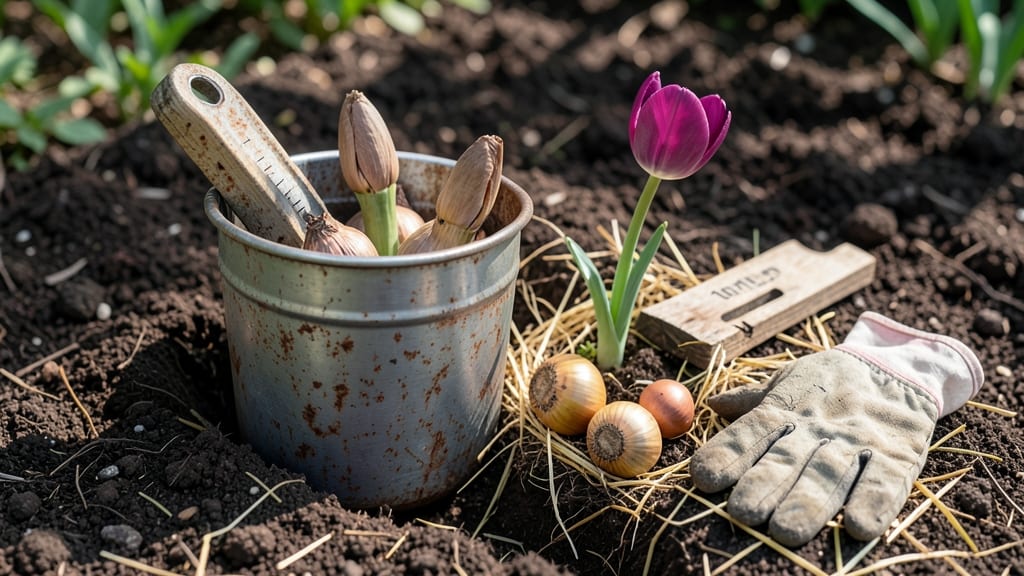
Planting your Spring Bulbs (e.g., Tulips, Daffodils, Hyacinths) 🌷 at the wrong time in Zone 8a could mean the difference between a showstopping spring display and a sad, wilted disappointment.
The key isn't just picking a random fall month—it's understanding how your local microclimate behaves, from coastal breezes to inland valleys.
I've learned the hard way that timing matters more than most gardeners realize. Too early, and your bulbs might rot before winter; too late, and they won't establish strong roots before the heat of summer arrives.
In Zone 8a, where winters are mild but unpredictable, getting it right means 6-8 weeks before the first frost—typically between October and December.
What makes this even trickier? Not all bulbs play by the same rules. Some varieties, like crocuses, can handle early planting, while others need that perfect window when soil temps dip below 60°F.
I'll walk you through exactly which bulbs thrive in your specific conditions and how to adjust for early or late frosts.
By the end, you'll know not just when to plant but why—so you can skip the guesswork and enjoy those vibrant blooms year after year. Let's get started with the exact schedule that works for Zone 8a.
Optimal bulb planting months in Zone 8a by microclimate type
Zone 8a’s mild winters and variable frost dates make bulb planting a balancing act. Coastal areas stay warmer longer, while inland valleys can experience sudden cold snaps.
Understanding your microclimate ensures bulbs like tulips and daffodils thrive year after year. Let’s break down the perfect planting windows for your specific location.
Most spring-flowering bulbs need 6-8 weeks to establish roots before winter. In Zone 8a, this typically means planting between mid-October and mid-December. However, your exact timing depends on whether you’re near the coast, inland, or in a valley.
Coastal gardeners often have a 2-3 week extension compared to inland areas.
For fall-blooming bulbs like crocuses or colchicums, the window shifts to late summer (August-September). These bulbs need warm soil to sprout but won’t tolerate summer heat. Plant them 4-6 weeks before your first frost date to avoid stress.
Here’s a quick reference for Zone 8a microclimates and their ideal planting windows:
| Microclimate | Ideal Planting Window | Soil Temp Threshold | Best Bulbs |
|---|---|---|---|
| Coastal | Late October - Early December | 50-60°F (10-15°C) | Tulips, Hyacinths, Daffodils |
| Inland | Mid-October - Mid-November | 55-65°F (13-18°C) | Alliums, Fritillaries, Snowdrops |
| Valley | Early October - Late November | 60-70°F (15-21°C) | Rain Lilies, Crocuses, Grape Hyacinths |
Soil temperature is critical—bulbs need cool soil to trigger dormancy. Use a soil thermometer ($10 at garden centers) to check depths of 6-8 inches. If temps drop below 50°F (10°C), bulbs may rot before rooting.
In valley microclimates, where nights cool faster, aim for early October planting to avoid this risk.
For tropical bulbs like canna lilies or caladiums, the rules flip. These thrive in Zone 8a’s mild winters and should be planted in late spring (April-May), after the last frost.
They’ll bloom all summer long but won’t survive frost—so protect them with mulch or containers if early cold snaps hit.
Pro tip: Layer mulch (straw or shredded leaves) after planting to insulate bulbs. A 3-inch layer can delay frost penetration by 2-3 weeks, giving roots extra time to establish. Just avoid piling mulch directly against bulb stems to prevent rot.
If you’re unsure about your first frost date, check local weather averages or use the USDA Plant Hardiness Zone Map.
For example, San Diego (Zone 8a coastal) rarely sees frost before December 20, while Phoenix (Zone 8a inland) can drop below freezing as early as November 15. Adjust accordingly!
Remember: well-draining soil is non-negotiable. Amend heavy clay with compost or sand to prevent bulb rot. And always plant bulbs 3x deeper than their height—most need 6-8 inches of soil coverage for stability.
With these microclimate-specific timelines, your Zone 8a garden will burst with color from early spring to late fall—no guesswork required! 🌷
Optimal bulb planting months in Zone 8a by microclimate type
Zone 8a's mild winters and varied microclimates mean your bulb planting schedule should adapt based on whether you're near the coast, inland, or in a valley. Coastal areas stay cooler longer, while inland spots can dry out faster.
I’ve broken down the best months for tulips, daffodils, hyacinths, and more to ensure strong root growth before summer heat arrives.
For coastal Zone 8a, aim for October to early November when soil temps drop below 60°F. The ocean’s moderating effect delays frost, giving you a slightly extended window.
Inland areas should plant by mid-October to avoid summer heat stress, while valley regions—often colder—can wait until late November for frost-sensitive varieties.
🌱 Pro Tip: Use a soil thermometer to confirm temps are consistently below 60°F before planting. This prevents premature sprouting, which weakens bulbs.
| Microclimate | Ideal Planting Window | Soil Temp Threshold | Best Bulb Varieties |
|---|---|---|---|
| Coastal | October 1–November 15 | Below 60°F | Tulips, Daffodils, Hyacinths |
| Inland | Mid-September–October 15 | Below 65°F | Alliums, Fritillaries, Rain Lilies |
| Valley | Late October–December 1 | Below 55°F | Crocuses, Snowdrops, Grape Hyacinths |
If you miss the fall window, January planting is your backup—but only for cold-hardy varieties like crocuses or snowdrops. These bulbs tolerate cooler soils and can still establish roots before spring. However, expect smaller blooms compared to fall-planted bulbs, which develop stronger root systems over winter.
For spring-planted bulbs (like caladiums or cannas), wait until March or April after the last frost. These tropical varieties need warm soil to thrive and won’t survive Zone 8a’s winters outdoors. Plant them in containers for flexibility or dig up and store bulbs after the first frost.
🌿 Key Takeaway: Fall planting in Zone 8a is critical for spring bloomers. Use the table above as your guide, and adjust based on your local frost dates. For extra insurance, layer 3–4 inches of mulch after planting to protect bulbs from temperature swings.