
Plants
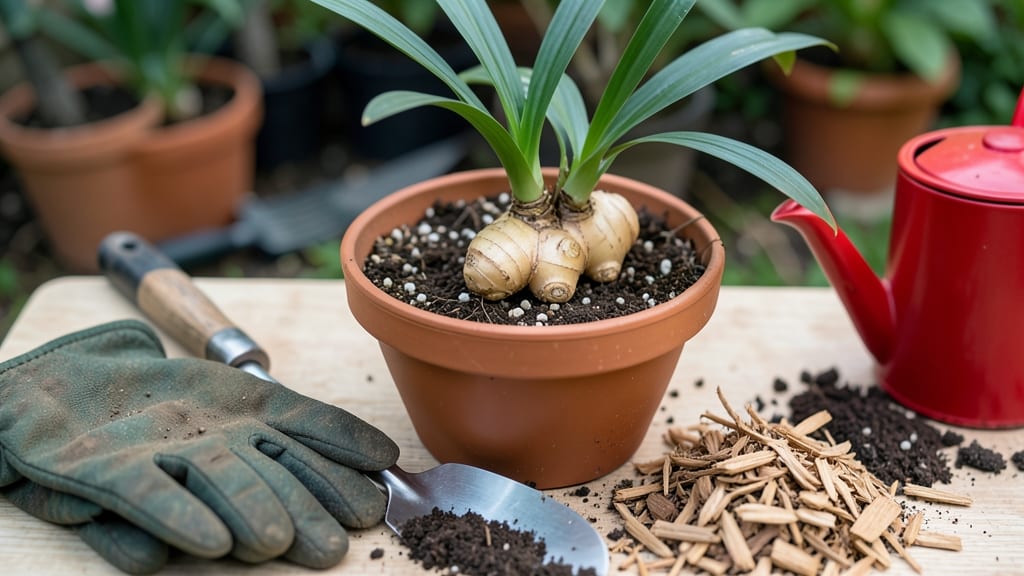
Planting ginger 🌿 in Zone 8 isn’t just about the calendar—it’s about catching that sweet spot when the soil warms enough to wake those tropical roots from dormancy. Too early, and frost will nip your progress; too late, and you’ll miss the prime growing window before summer’s heat sets in.
I’ve learned the hard way that ginger thrives when soil temperatures hit 65°F-75°F, which in Zone 8 typically means waiting until late March or early April after the last frost has passed. This timing ensures your rhizomes sprout without stress, setting you up for a bountiful harvest by fall.
But here’s the kicker: Zone 8’s mild winters and hot summers mean you’ve got flexibility if you act fast.
Whether you’re planting in-ground or containers, I’ll break down exactly when to start, how to prep your soil, and even how to stretch your growing season if you’re late to the game.
Ready to grow ginger like a pro? Let’s dive into the soil temperature triggers and climate-specific tips that’ll make your harvest the envy of the neighborhood.
Zone 8 ginger planting calendar: soil temperature triggers explained
Ginger thrives in Zone 8’s warm climate, but timing your planting window based on soil temperature triggers is critical. Unlike frost-sensitive crops, ginger needs consistent warmth (65°F-75°F) to sprout and grow—too early and your rhizomes may rot, too late and you’ll miss peak harvest.
My Zone 8 garden taught me that March and April are the sweet spots, but let’s break it down by soil temps and seasonal risks.
Zone 8’s mild winters and hot summers create unique challenges. While frost is rare, cool pockets in your yard (like shaded areas) can delay warming. Use a soil thermometer to confirm temps before planting—ginger rhizomes won’t sprout below 60°F.
I’ve planted in February only to see sluggish growth, so I now wait until my soil hits 65°F consistently.
Here’s your Zone 8 ginger planting calendar, aligned with soil temperature triggers and frost-free windows:
My Zone 8 garden hits 70°F soil temps by early April, which is my preferred planting window. This aligns with ginger’s need for warmth and gives rhizomes enough time to establish before summer’s peak heat.
If you’re in a cooler microclimate (like near a lake), delay until soil reaches 70°F—even if it’s May.
Use a soil thermometer to avoid guesswork. Stick it 2 inches deep (ginger’s planting depth) in your garden bed for 3 consecutive days to confirm stable temps.
I’ve seen 10°F swings between morning and afternoon in my yard, so timing matters. For container gardening, soil warms faster—plant 1–2 weeks earlier than in-ground beds.
Zone 8’s long growing season (210 frost-free days) lets you experiment with fall planting for winter harvests. Try planting in September if you miss spring—just monitor soil temps closely.
Last year, my September-planted ginger yielded smaller rhizomes, but it was still a successful backup crop when my spring batch struggled with powdery mildew from summer humidity.
Pro tip: Mulch heavily after planting to lock in soil moisture and warmth. I use straw mulch (3–4 inches thick) to keep soil temps stable and reduce watering needs. This is especially critical in Zone 8’s dry summers, where soil can dry out quickly.
Pair mulch with drip irrigation to maintain consistent moisture—ginger roots despise drought stress.
If you’re new to ginger, start with small batches to test your soil’s warming patterns. My first attempt in February
Zone 8 ginger planting calendar: soil temperature triggers explained
Ginger thrives in Zone 8’s warm climate, but its tropical roots need the right soil temperature triggers to sprout successfully. Unlike cool-season crops, ginger won’t tolerate frost—even a light freeze can kill young plants.
The ideal planting window hinges on soil reaching 65°F–75°F, which typically aligns with late spring in most of Zone 8.
In Zone 8’s southern regions (e.g., Orlando, FL), you can plant as early as February when soil warms consistently. However, in northern Zone 8 (e.g., Raleigh, NC), wait until mid-April to avoid late-spring frosts. Use a soil thermometer to confirm readiness—ginger rhizomes won’t sprout below 60°F.
For container gardening in Zone 8, you can plant 2–4 weeks earlier since pots warm faster. Place containers near south-facing walls or use black plastic mulch to raise soil temps by 5°F–10°F. Avoid planting in shady microclimates—ginger needs warmth to activate growth.
If you miss the spring window, fall planting is possible in Zone 8’s southern edges (e.g., Miami). Plant rhizomes in September for a winter harvest, but protect them with mulch if temps dip below 50°F. In northern Zone 8, skip fall planting—ginger won’t survive winter frosts.
Pro tip: Soak rhizomes in warm water for 6–12 hours before planting to jumpstart sprouting. This mimics tropical rainfall and ensures faster establishment in Zone 8’s dry spells. 🌱
Monitor your garden’s microclimates—a sunny slope may warm 2 weeks earlier than a low-lying area. Use this to your advantage by planting earlier in warm pockets. For maximum yield, aim to harvest before first frost (typically mid-November in Zone 8).