
Vegetables
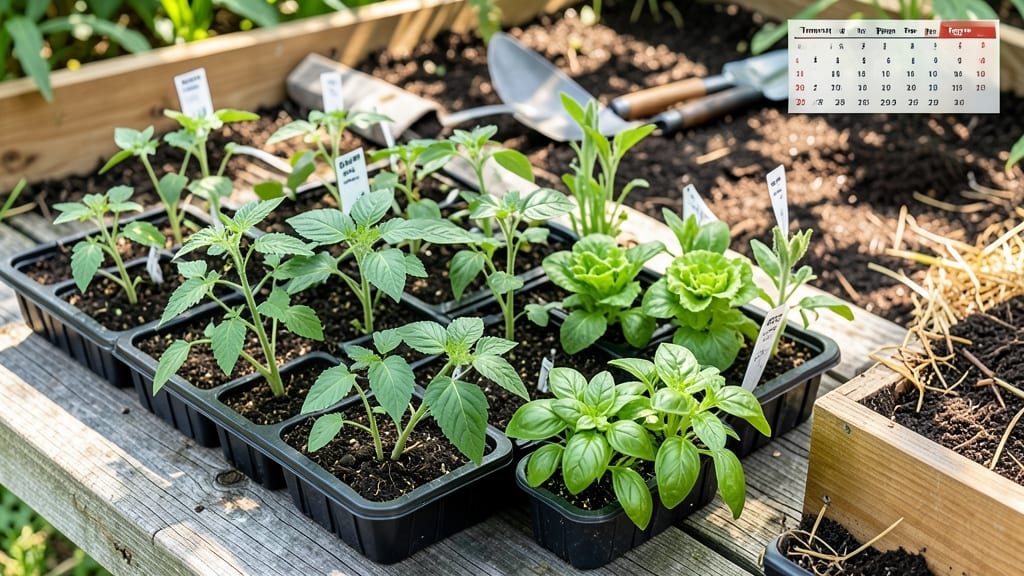
When is the best time to plant vegetables in Texas? It isn’t just about grabbing seeds and sticking them in the dirt—it’s about beating the 30-degree frost one week and the 100-degree heat the next. The key to success? Timing your plantings to match Texas's wild swings between freeze and scorching sun.
I've learned the hard way that cool-season crops like broccoli and peas need to hit the soil 6-8 weeks before the last frost in your area, while heat-lovers such as okra and sweet potatoes thrive when the ground is already warm enough to fry an egg.
But with 11 distinct heat zones across the state, what works in the Hill Country might fail in the Rio Grande Valley.
This guide breaks down the perfect planting windows for every region, so you can grow a garden that actually survives Texas summers. We'll cover everything from extending your growing season with row covers to picking the right varieties for your microclimate.
Whether you're a first-time gardener or a seasoned pro, these strategies will help you avoid the two biggest Texas gardening mistakes: planting too early and watching your greens turn to mush from the heat, or waiting too long and getting zapped by a late frost.
Let's get those 🌱 in the ground the right way.
Texas vegetable planting calendar by heat zones (avoid frost & heat stress)
Texas spans 11 distinct heat zones, each with unique frost risks and summer heat challenges. Whether you're in Zone 6a (Panhandle) or Zone 9b (Deep South), knowing your last frost date and heat tolerance limits determines your planting success.
Cool-season crops like lettuce and broccoli thrive in spring/fall, while okra and sweet potatoes demand summer's scorching heat.
I've distilled Texas' planting windows into a heat-zone-specific calendar. Use this guide to align your planting with soil temperatures, rainfall patterns, and heat waves—because timing isn't just about frost dates anymore.
For example, North Texas (Zone 7b-8a) can start cool crops in late February, while South Texas (Zone 9a-9b) might plant year-round with shade cloths.
Below is your Texas vegetable planting timeline by heat zone, including last frost dates, ideal planting months, and heat-tolerant varieties. Bookmark this for your garden planning—it's your roadmap to avoiding both frost damage and heat stress.
Notice how North Texas (Zones 6-8) has a clear frost risk until late March, while South Texas (Zones 9-10) can plant year-round with shade protection. My top tip: Use soil thermometers—warm-season crops like peppers need soil at 70°F+, while cool-season spinach prefers 40-65°F.
For Zone 6-7 gardeners, focus on early spring (February-March) for cool-season crops like kale and carrots. Once temperatures rise above 85°F, switch to heat-loving varieties such as 'Arkansas Traveler' tomatoes or 'Black Beauty' eggplants, which handle Texas summers better than standard varieties.
In Zones 8-9, you can double-crop by planting cool-season greens in fall (September-October) and warm-season crops in spring (March-April). Use row covers to protect lettuce from bolting in early spring's warm spells.
I've seen Texas A&M AgriLife recommend 30% shade cloth for summer planting to prevent heat stress in tomatoes and peppers.
Pro heat-zone hack: South Texas gardeners can grow winter squash and collard greens year-round with drip irrigation and mulch. The key is water consistency—Texas summers demand deep watering (1-2 inches per week) to prevent blossom-end rot in tomatoes.
Don
Best vegetables to plant in Texas by season (cool vs. warm crops)
Texas's extreme climate demands smart planting choices—cool-season crops thrive in winter, while heat-lovers like okra and sweet potatoes dominate summer. The key is matching planting windows to Texas's frost-free growing zones, which range from North Texas's cooler winters to South Texas's long, hot summers.
For cool-season vegetables, focus on fall and early spring plantings when temperatures stay below 80°F. These crops handle Texas's mild winters better than summer heat. In contrast, warm-season crops need soil temperatures above 60°F and can't tolerate frost, making late spring and summer their prime time.
🌱 Top Texas Vegetables by Season
- 🥬 Cool-Season Stars (Fall/Winter): Broccoli, Cabbage, Spinach, Carrots, Lettuce – Plant September–November or February–March for harvests before summer heat.
- 🌶️ Warm-Season Winners (Spring/Summer): Tomatoes, Peppers, Okra, Sweet Potatoes, Cucumbers – Start seeds after last frost (March–April) or transplant April–May.
- 🌿 Year-Round Workhorses: Green Onions, Kale, Collard Greens – Handle Texas's mild winters and hot summers with proper watering.
Pro Tip: Use mulch to retain moisture for cool crops and shade cloth to protect warm-season plants from 100°F+ heat.
When planting cool-season crops, aim for 60–70 days before last frost (typically mid-October in North Texas or November in Central/South Texas). For example, broccoli seeds should go in September for a December–January harvest. Space broccoli plants 18 inches apart and plant seeds ½ inch deep.
Warm-season vegetables like tomatoes and peppers need full sun (6–8 hours daily) and well-draining soil. Start seeds indoors 6–8 weeks before last frost or buy transplants in April. Plant tomato seedlings 1–2 feet deep (bury stems) and space them 2–3 feet apart to prevent disease.
Texas's long growing season allows for succession planting—sow lettuce every 2 weeks from September to March to enjoy fresh greens year-round. For okra, a true Texas summer crop, plant seeds directly in the soil after last frost at ½-inch depth and space them 12–18 inches apart.
Don't overlook heat-tolerant greens like collard greens or Swiss chard, which thrive in 90°F+ temperatures and can be planted year-round in South Texas. These perennial-friendly crops reward patience with multiple harvests and minimal fuss.
Remember: Texas's soil pH often skews alkaline (7.5–8.5), so amend with compost or sulfur for cool-season crops like spinach and peas, which prefer 6.0–7.0 pH. Test your soil before planting for the best results!