
Plants
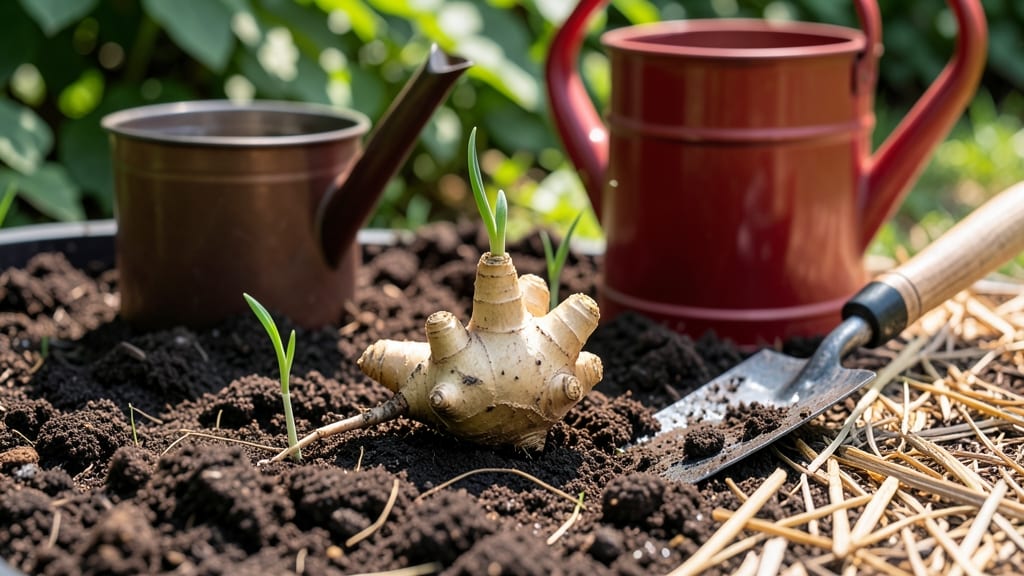
To grow ginger in North Carolina’s 7a-8b climate, timing is everything—plant too early, and frost stunts those precious rhizomes; too late, and your harvest might never take off. The key lies in NC’s unique frost windows, where spring and fall offer two perfect chances to get it right.
Most gardeners in NC plant ginger between March and April or September and October, aligning with soil temperatures that encourage strong root development. But here’s the catch: coastal areas like Wilmington have milder winters, while piedmont regions near Raleigh face earlier frosts.
I’ll break down exactly when to plant for your specific corner of the state.
Ginger thrives as a perennial in NC’s warm winters, but it’s often treated as an annual for easier harvests. Whether you’re sprouting rhizomes indoors or planting directly in the garden, preparation makes all the difference—especially in NC’s humid, sometimes heavy soils.
Let’s dive into the best methods to set your ginger up for success.
From soil prep to frost protection, I’ll cover everything you need to know to maximize your harvest between October and December. Whether you’re a first-timer or a seasoned gardener, these NC-specific tips will help you grow ginger that’s bold, flavorful, and ready when you are.
Best planting months for ginger in NC heat zone 8A
North Carolina’s Zone 8A climate offers two prime windows for planting ginger rhizomes: spring and fall. Unlike tropical ginger, which thrives year-round in warmer zones, NC’s cool winters and hot summers require strategic timing.
Coastal areas like Wilmington may enjoy slightly longer growing seasons, while piedmont regions like Greensboro face earlier frost risks—both factors shift your ideal planting dates.
For spring planting, aim for mid-March to early April after the last frost date (typically around March 15 in most of Zone 8A). Soil temperatures should consistently stay above 60°F for rhizomes to sprout.
In fall, plant between late September and early October, giving ginger enough time to establish before the first frost (usually mid-November in piedmont areas).
Here’s how NC’s microclimates affect timing: Coastal regions can push spring planting to early April and fall planting to early November, while piedmont areas should plant by mid-October to avoid frost damage. Always check your local frost dates—they can vary by 1-2 weeks even within Zone 8A.
Ginger thrives in warm soil, so avoid planting when ground temperatures dip below 65°F. Use a soil thermometer to confirm readiness—cold soil slows sprouting and invites rot. In NC’s humidity, well-draining soil is critical to prevent rhizome diseases like rhizome rot.
| Planting Window | Ideal Soil Temp | Frost Risk | NC Microclimate Notes |
|---|---|---|---|
| Spring (March-April) | 60°F+ (consistent) | Low (after last frost) | Coastal: April 1-15; Piedmont: March 15-31 |
| Fall (September-October) | 65°F+ (warm soil) | Moderate (before first frost) | Coastal: Oct 1-15; Piedmont: Sept 15-Oct 1 |
| Avoid Planting | Below 55°F | High (frost damage) | November-March (dormant season) |
In coastal NC, where humidity is higher and winters milder, ginger can sometimes survive light frosts, but growth slows dramatically. For best results, stick to the spring window and harvest before December.
Piedmont gardeners should prioritize fall planting to ensure rhizomes mature before the first frost—even a 28°F night can kill young plants.
Pro tip: If you miss the ideal windows, try container growing. Pots let you move ginger indoors during winter or to a greenhouse in Zone 8A’s cooler months. Just ensure containers have drainage holes to prevent soggy soil, which ginger hates.
For maximum yield, pair spring planting with a light mulch (straw or shredded leaves) to retain moisture during NC’s hot, dry summers. Fall-planted ginger benefits from a thick mulch layer (4-6 inches) to insulate rhizomes from temperature swings before winter.
Remember: Ginger is a tender perennial in NC—it won’t survive winter outdoors long-term. Treat it as an annual or dig up rhizomes before frost. In Zone 8A’s mild winters, some gardeners leave ginger in the ground for 2-3 years, but harvests diminish after the first year.
Start with organic, disease-free rhizomes from a trusted supplier. Soak them in warm water for 6 hours before planting to encourage sprouting. In NC’s humid climate, this step reduces the risk of fungal infections that thrive in damp conditions.
🌱
How to prepare ginger rhizomes for NC’s humid climate
North Carolina’s humid subtropical climate (Zone 8A) thrives with ginger, but rhizome preparation is key to avoiding rot in heavy clay soils (common in Piedmont) or sandy coastal loams. Start by selecting plump, firm rhizomes with visible sprout buds—these are your best bet for strong growth.
Avoid any with soft spots or mold, as these won’t survive NC’s hot, damp summers. 🌱
Before planting, cut rhizomes into 1-inch pieces, ensuring each piece has at least one healthy bud. This maximizes your yield and helps ginger adapt to NC’s short growing season.
For extra vigor, soak the pieces in warm water for 6-8 hours to kickstart sprouting. This step is especially helpful in coastal areas where sandy soil drains too quickly. 💧
Never plant ginger in waterlogged soil—NC’s clay-heavy Piedmont or coastal storms can drown rhizomes. Amend soil with 2-3 inches of compost or sand to improve drainage. If your garden holds water after rain, consider raised beds (6-8 inches deep) for better control.
Once prepped, ginger rhizomes need well-draining soil with a slightly acidic pH (6.0-7.0). In NC’s Piedmont region, mix organic matter like leaf mold or aged manure into heavy clay to prevent compaction.
Coastal gardeners should blend in sand or perlite to lighten sandy soils, which dry out too fast. A mulch layer (2-3 inches of straw) helps retain moisture without suffocating roots. ✂️
For spring planting (March-April), focus on partial shade (4-6 hours of sun) to protect young plants from NC’s intense summer heat. In fall (September-October), ginger benefits from morning sun and afternoon shade as temperatures cool.
Avoid planting in full sun, which causes rhizomes to overheat and rot in NC’s humidity. 🌿
After planting, keep soil consistently moist but never soggy—ginger hates waterlogged conditions. In NC’s coastal areas, water deeply 2-3 times per week during dry spells, while Piedmont gardens may need less frequent watering due to clay’s water retention.
A drip irrigation system works best to avoid fungal issues from overhead watering. 💡
Finally, monitor for pests like slugs (common in NC’s humidity) and fungal diseases such as leaf spot. Remove affected leaves immediately and space plants 12 inches apart for airflow.
With proper prep, your ginger will thrive in NC’s climate, yielding harvest-ready rhizomes in 8-10 months—perfect for fall and winter use! 🌻