
Plants
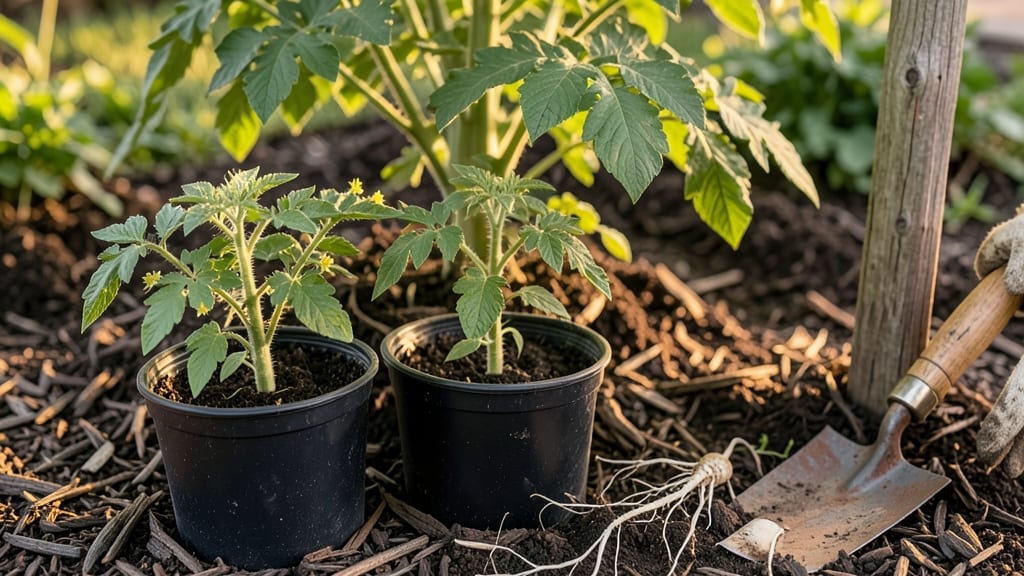
Planting tomatoes in North Carolina isn’t just about grabbing seedlings and sticking them in the dirt—it’s about mastering the perfect timing to beat frost, boost yields, and avoid common mistakes that leave gardeners scratching their heads.
With the state’s heat zones ranging from 6a in the mountains to 8b along the coast, your neighbors’ planting schedule might not work for you.
Whether you’re a first-time gardener or a seasoned pro, getting the timing right means the difference between a bountiful harvest of juicy 🍅 tomatoes and a sad, wilted disappointment.
The key? Planting after the last frost—typically mid-April to early June—but adjusting for your specific microclimate, soil temperature, and even elevation.
In this guide, I’ll break down the exact windows for each zone, share pro tips to extend your growing season, and reveal the costly mistakes most NC gardeners make. No more guessing—just science-backed strategies to grow tomatoes like a local.
Ready to turn your garden into a tomato powerhouse? Let’s dive into the zone-specific dates and tricks that’ll have you harvesting until October.
North Carolina heat zones explained: how your location dictates tomato planting dates
North Carolina spans three distinct climate regions, each with unique last frost dates and growing seasons. The Coastal Plain (Zones 8a-8b) enjoys early spring warmth, while the Mountains (Zones 6a-6b) face late frosts well into April.
Even within the Piedmont (Zones 7a-7b), microclimates—like valleys or urban heat islands—can shift planting windows by 2-3 weeks. Understanding your zone ensures you avoid frost damage while maximizing harvest potential.
For example, gardeners in Raleigh (Zone 7b) can plant tomato seeds indoors by March 15, but those in Asheville (Zone 7a) should wait until April 1 due to cooler nights.
Coastal areas like Wilmington (Zone 8b) might even transplant outdoors by March 20, while mountain towns like Boone (Zone 6b) should delay until May 1. Always check the NC State Extension frost maps for your exact location.
Here’s how to determine your frost-free date: Use the USDA Plant Hardiness Zone Map and add 2-4 weeks to account for soil warming.
For instance, if your zone’s last frost is April 15, wait until May 1 to transplant tomatoes—soil needs to reach 60°F for roots to thrive. Black plastic mulch can warm soil by 5-10°F, letting you plant earlier in cooler zones.
Microclimates add another layer of complexity. A south-facing slope warms faster than a north-facing yard, while large bodies of water (like the Neuse River) delay spring warmth. If you’re near water, plant 2 weeks later than the average for your zone.
Conversely, urban areas with concrete or pavement can be 5-10°F warmer, allowing earlier planting. Use a soil thermometer to confirm readiness—60°F is non-negotiable for tomatoes.
North Carolina Tomato Planting by Heat Zone
| Zone | Last Frost | Start Seeds Indoors | Transplant Outdoors | Harvest Window |
|---|---|---|---|---|
| 6a-6b (Mountains) | Mid-April | March 15 | May 1 | July–September |
| 7a-7b (Piedmont) | Early April | March 1 | April 15 | June–October |
| 8a-8b (Coastal) | Mid-March | February 15 | March 20 | May–November |
*Adjust dates 1-2 weeks earlier for microclimates with faster soil warming (e.g., south slopes).
Don’t let false springs fool you—late frosts in Zone 7a can hit as late as April 15. Use frost cloth or a mini greenhouse to protect seedlings until the danger passes.
In Zone 8b, you can even plant heat-tolerant varieties like ‘Celebrity’ or ‘Solar Fire’ in late summer (August) for a fall harvest. Just ensure your plants have 120+ frost-free days to mature.
For container gardening, add 1-2 extra weeks to the outdoor transplant date—pots cool faster and are more vulnerable to temperature swings. If you’re in Zone 6b, consider longer-season varieties like ‘Brandywine’ (80+ days) or ‘Cherokee Purple’ (75 days) to ensure they ripen before frost.
In Zone 8a, you can grow two crops: one in spring and another in fall, using shade cloth in peak summer to prevent heat stress.
Pro tip: Bookmark the NC State Climate Office’s frost probability tool—it shows 10% vs. 50% frost risk dates, helping you decide when to take chances.
For example, if your zone has a 50% frost risk on April 20, wait until May 1 for safer planting. Row covers can extend your window by 2-3 weeks, but remove them during flowering to prevent heat buildup.
Remember, soil temperature matters more than air temperature. A 70°F day with 50°F soil will stunt tomato roots. Use a soil thermometer buried 2 inches deep—if it’s below 60°F, delay planting. In Zone 7b, this might mean waiting until late April even if air temps feel warm. Black plastic mulch or straw mulch can add <
Step-by-step planting timeline: when to start seeds indoors vs. transplanting outdoors by Zone
North Carolina’s diverse microclimates mean your tomato planting schedule should align with your USDA zone. Coastal areas (like Wilmington) can start earlier than mountain regions (like Boone), where late frosts linger. The key is balancing seed-starting indoors with outdoor transplanting after the last frost—typically mid-April to early June.
For Zone 7b (most of the Piedmont), I start seeds March 1 indoors under grow lights. By April 15, seedlings are ready for hardening off and transplanting.
In Zone 8a (Coastal Plain), I push this timeline 2-3 weeks earlier, while Zone 6b (mountains) waits until April 1 for seeds and May 15 for transplanting.
- Zone 6b (Mountains): Start seeds April 1; transplant May 15 after frost risk passes.
- Zone 7a-7b (Piedmont): Start seeds March 1; transplant April 15 with row covers ready.
- Zone 8a (Coastal Plain): Start seeds February 15; transplant March 30 (earlier frost-free dates).
- Adjust for warmth: Use cold frames to transplant 2 weeks earlier if soil hits 60°F.
- Late frosts? Delay transplanting or use floating row covers until May 1 in high-risk zones.
If your spring arrives early (like 2024’s unseasonable warmth), resist the urge to rush. Tomatoes thrive at 70°F+, so wait until soil temperature hits 60°F—use a soil thermometer to check.
For late frosts, I’ve used mini hoop tunnels to extend the season by 3-4 weeks, letting me plant heirloom varieties like ‘Brandywine’ in early April.
Pro tip: Direct-sow heat-tolerant varieties (like ‘Celebrity’) June 1-July 1 for a fall harvest. In Zone 8a, this gives you tomatoes until October! Just mulch heavily to retain moisture during summer’s 90°F+ days.
For container growers, start seeds 4-6 weeks earlier than your zone’s timeline—pots warm up faster. I’ve had success with 5-gallon buckets on patios in Zone 7b, transplanting seedlings April 1 with black plastic mulch to speed up root growth.
Remember: Tomatoes hate cold feet. Even if your air temperature is mild, soil temps below 55°F stunt roots. Use black plastic mulch or straw bales to warm the ground—this can shave 1-2 weeks off your transplanting timeline in cooler zones.