
Plants
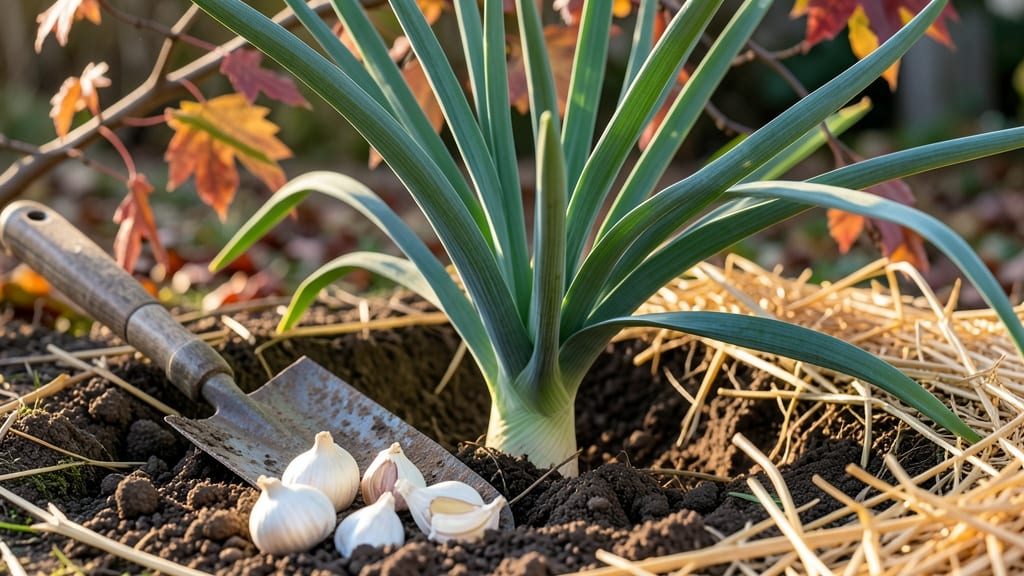
Planting garlic in Zone 8b might seem tricky with its mild winters, but timing it right—especially with the cold-soaking trick—can mean the difference between a meager harvest and a bountiful crop of hardneck varieties.
The key is getting those cloves into the ground 4-6 weeks before your first frost, ideally between late October and early November, when soil temps dip but haven’t frozen solid.
If you’ve ever wondered why your garlic struggles to form those prized hardnecks, the answer lies in mimicking winter’s chill. Zone 8b’s shorter cold periods mean traditional fall planting often isn’t enough—without pre-chilling, your bulbs may bolt or produce weak stems.
That’s where the cold-soaking method comes in, extending dormancy artificially for 6-8 weeks before planting.
Let’s break down exactly when to plant, how to cold-soak properly, and what to watch for in your local microclimate—whether you’re coastal or inland. You’ll learn how to adjust for soil temperature shifts, avoid common pitfalls, and even troubleshoot if your garlic starts acting up.
Ready to grow garlic that rivals what you’d get in colder zones?
By the end, you’ll have a clear timeline tailored to Zone 8b’s unique climate, plus pro tips to maximize your harvest next June or July. No more guessing—just reliable, hardneck garlic that thrives in your backyard.
Best planting times for garlic in Zone 8b (with cold-soaking adjustments)
Zone 8b’s mild winters and short cold periods make timing critical for growing hardneck garlic. Unlike colder zones, you can’t rely on winter’s chill alone—cold-soaking becomes your best friend to trick bulbs into dormancy.
Planting too early or late risks small bulbs or no harvest at all. Here’s how to nail the 6-week window that works best for your climate.
In Zone 8b, aim to plant hardneck garlic between mid-October and mid-November, aligning with your first frost date (typically November 15). This timing ensures cloves get 4-6 weeks of cold before the ground freezes solid.
If you miss this window, don’t panic—December plantings can still work with cold-soaking, but yields may shrink. Coastal areas might push planting 1-2 weeks later due to milder microclimates.
Why does timing matter so much? Garlic needs vernalization—a period of cold—to form bulbs. In Zone 8b, natural winter chill is insufficient, so cold-soaking mimics 6-8 weeks of dormancy in just 30-45 days.
Skip this step, and you’ll end up with skinny, pungent scapes instead of plump bulbs. Think of it as giving your garlic a head start on winter.
📅 Pro Tip: Use your average last frost date (January 15 in Zone 8b) as your deadline. Plant 4-6 weeks before this date to ensure roots establish before freezing. For example, if your frost date is January 15, plant by December 1. Adjust for inland vs. coastal—inland areas may need earlier plantings due to colder nights.
Your soil temperature is another critical factor. Garlic cloves need cooler soil (below 70°F) to sprout properly. In Zone 8b, soil temps often stay warm into November, which is why cold-soaking is non-negotiable.
Without it, cloves may rot or produce weak shoots. Test your soil with a thermometer—aim for 50-60°F at planting time. If it’s still warm, delay planting or cold-soak longer.
Don’t overlook bulb size when choosing planting times. Larger cloves (like Silverskin or Artichoke varieties) need slightly earlier planting (mid-October) because they take longer to establish. Smaller cloves (e.g., Rocky Mountain) can handle late October plantings.
Pro tip: Break apart large bulbs into individual cloves, but save the largest cloves for planting—these grow into bigger bulbs next year.
One common mistake in Zone 8b is planting garlic in spring. While possible, spring-planted garlic rarely forms full bulbs—it’s better suited for scapes or green garlic. If you’re set on spring planting, use softneck varieties (like California White) and expect smaller yields.
For hardneck garlic, stick to fall and embrace cold-soaking as your Zone 8b secret weapon.
Microclimates play a huge role in Zone 8b. Inland valleys (like parts of Texas or Arizona) may need earlier plantings due to colder nights, while coastal areas (like Southern California) can plant later.
Observe your garden’s behavior: If nearby winter veggies thrive with December plantings, you might push garlic to early November. Always err on the side of earlier rather than late—garlic forgives cold but not heat.
Finally, mark your calendar for harvest time, which in Zone 8b typically falls between late June and early July. The 6-month growing cycle means your planting date directly impacts harvest timing.
For example, a mid-October planting will harvest in late May, while a mid-November planting may not reach maturity until July. Plan ahead for culinary uses or seed saving
Best planting times for garlic in Zone 8b (with cold-soaking adjustments)
Zone 8b gardeners face a unique challenge with garlic—mild winters mean traditional fall planting often skips the critical 4-6 week cold period hardneck varieties need. The solution? Cold-soaking bulbs to simulate winter dormancy before planting. This adjusts your planting window by 4-8 weeks earlier than traditional methods.
For Zone 8b, aim to plant garlic cloves between mid-September and mid-October when soil temps drop below 70°F (21°C). Without cold-soaking, you’d wait until November or December, risking insufficient chilling. Coastal areas may plant slightly later due to milder microclimates.
Cold-soaking lets you plant as early as late August if you pre-chill bulbs for 4-6 weeks at 35-40°F (2-4°C). This mimics Zone 5-7 winters, ensuring scape production (flower stalks) and larger bulbs. The trade-off? Your harvest will arrive 2-3 weeks earlier than late-planted garlic.
| Planting Window | Cold-Soaking Needed? | Soil Temp Requirement | Harvest Window |
|---|---|---|---|
| Late August - Early September | Yes (6 weeks) | 65-70°F (18-21°C) | Early June |
| Mid-September - Mid-October | Yes (4 weeks) | 60-65°F (15-18°C) | Mid-June |
| November - December | No (natural chill) | 50-55°F (10-13°C) | Late June |
Inland Zone 8b areas (like Phoenix or Las Vegas) should prioritize September planting with cold-soaking, while coastal zones (like San Diego) can extend to October. Test soil temps with a soil thermometer—garlic roots struggle in soils above 75°F (24°C), even with cold-soaking.
Pro tip: Mark your calendar for January 15th (average last frost in Zone 8b). Plant garlic 4-6 weeks before this date to ensure roots establish before winter rains. Overwintered garlic (planted November+) often yields 20% larger bulbs but risks bolting if temps spike early.
Remember: Hardneck varieties (Rocky, German White) need cold, while softnecks (Silverskin) tolerate warmer winters. Zone 8b’s mild climate makes hardnecks the preferred choice—but only if you cold-soak! 🧄