
Plants
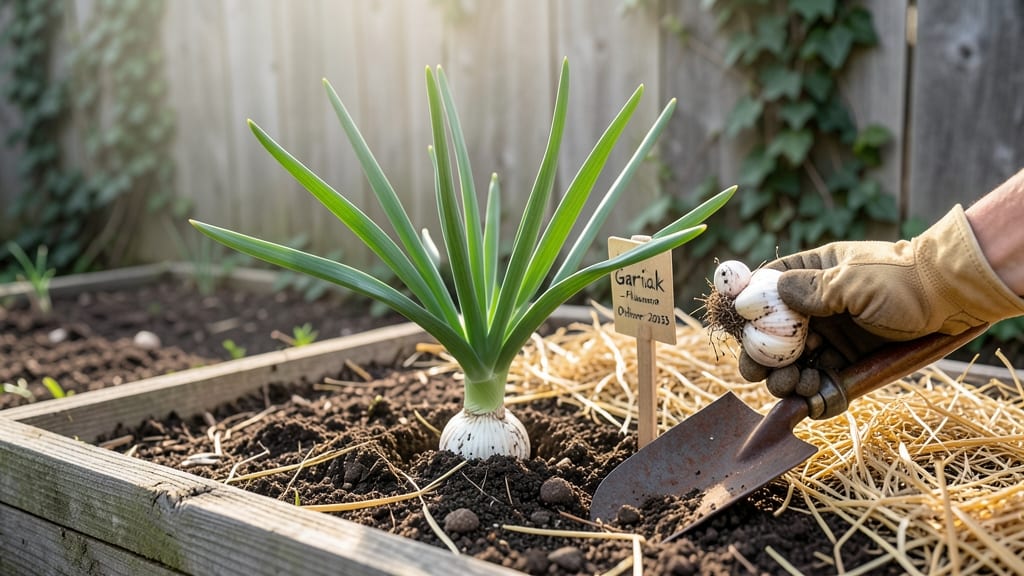
Planting garlic in Zone 10a’s mild winters isn’t just about timing—it’s about outsmarting the climate to avoid those dreaded zero-bolt failures. Unlike colder zones, your garlic won’t get the natural winter chill it craves, so coastal and inland areas need completely different strategies.
Skip the wrong move, and you’ll end up with skinny stalks instead of plump bulbs.
I’ve grown 🧄 in Southern California for years, and the key difference between coastal and inland planting? Soil temperature. While inland areas can handle November starts, coastal gardeners often wait until December to avoid heat stress. The goal? Mimic winter conditions without letting your garlic bolt early.
This guide breaks down the exact weeks to plant based on your microclimate, plus how to prep soil and adjust for Zone 10a’s extended growing season. No more guessing—just data-driven timing that actually works.
Ready to grow garlic that rivals store-bought? Let’s dive into the coastal vs. inland breakdown so you can plant with confidence and harvest bulbs that’ll make your neighbors jealous.
Optimal planting dates for Zone 10a garlic: coastal vs inland breakdown
Zone 10a gardeners face a unique challenge: growing zero-bolt garlic without frost cues to trigger dormancy. Unlike colder zones, your mild winter temperatures can cause garlic to bolt prematurely if planted at the wrong time.
Coastal areas like San Diego enjoy warmer nights, while inland regions near Palm Springs experience cooler evenings—both require different planting strategies.
The key to success lies in planting 6-8 weeks before your area's natural winter chill period. Since Zone 10a has no frost, we use soil temperature and daylength as guides.
For coastal areas, aim for November 1-15 when nights dip to 50-55°F. Inland regions should plant October 15-November 1 to capture cooler nights before temperatures stabilize.
Here’s how microclimates affect your timing:
For coastal gardeners, the November 1-15 window aligns with natural rainfall patterns, reducing irrigation needs. If you miss this window, don’t panic—February planting is still viable for late-season harvests, though bulbs may be smaller.
Use shade cloth (30%) to lower soil temps if planting in December or January.
Inland growers should prioritize October 15-November 1 to take advantage of cooler desert nights. If your evenings stay above 60°F, consider black plastic mulch to absorb heat during the day and release it slowly at night. This mimics the temperature fluctuations garlic needs to bulb properly.
Zero-bolt varieties like 'Artichoke' and 'Silverskin' are ideal for coastal areas because they tolerate warmer winters better than softnecks. Inland regions benefit from 'Creole' or 'Inchelium Red', which handle temperature swings more effectively.
Always separate cloves from the bulb 24 hours before planting to allow the papery skin to dry slightly—this reduces rot risk in humid coastal soils.
Pro tip: Plant test rows in October, November, and December to compare growth. Mark each row with the planting date and observe which produces the largest bulbs. In Zone 10a, soil moisture is more critical than fertilizer—overwatering causes bolting, while underwater
How to time planting for zero-bolt garlic in warm climates
Zone 10a’s mild winters make growing zero-bolt garlic tricky—too much warmth can trigger flowering instead of bulb development. The key is planting when soil temperatures drop to 40-50°F, signaling garlic to focus on bulb growth rather than flowering.
Since Zone 10a rarely sees frost, we rely on seasonal cues like rainfall patterns and moon phases to time it just right.
For coastal areas (e.g., San Diego), aim for November 1st–15th when ocean breezes cool the soil. Inland regions (e.g., Riverside) can wait until December 1st–15th when nighttime temps consistently dip below 55°F.
This timing ensures garlic gets the 6-8 weeks of cooler weather it needs to establish roots before summer heat arrives.
Step-by-Step Planting Timeline for Zero-Bolt Garlic
- Step 1: Test soil temps with a soil thermometer—plant when 40-50°F at 4" depth for 3+ days.
- Step 2: Break apart hardneck or softneck bulbs into individual cloves, keeping the papery skin intact.
- Step 3: Plant cloves 2-4 inches deep, 2 inches apart, with the pointy end up in well-draining soil.
- Step 4: Apply 2-3 inches of mulch (straw or wood chips) to insulate roots and retain moisture.
- Step 5: Water deeply once a week (morning only) until January, then reduce to bi-weekly.
- Step 6: Monitor for bolting scapes—if shoots appear, trim them to redirect energy to bulb growth.
Moon phase matters too! Planting during the waning moon (after the full moon) encourages root development, while avoiding the full moon reduces stress on cloves. Pair this with shade cloth (30-50%) if your area experiences unexpected heat spikes—even in winter, Zone 10a can hit 70°F during the day.
Pro tip: Use black plastic mulch to warm soil slightly in coastal zones if temps stay too cool. Inland gardeners should prioritize well-draining soil to prevent rot from winter rains. Both strategies help mimic the cool, moist conditions garlic craves for bulb formation.
Remember, garlic in Zone 10a grows 8-10 months to maturity—harvest in June-July when lower leaves yellow but upper leaves stay green. The goal is to balance cool roots with warm growing season energy, and precise timing is your secret weapon.