
Plants
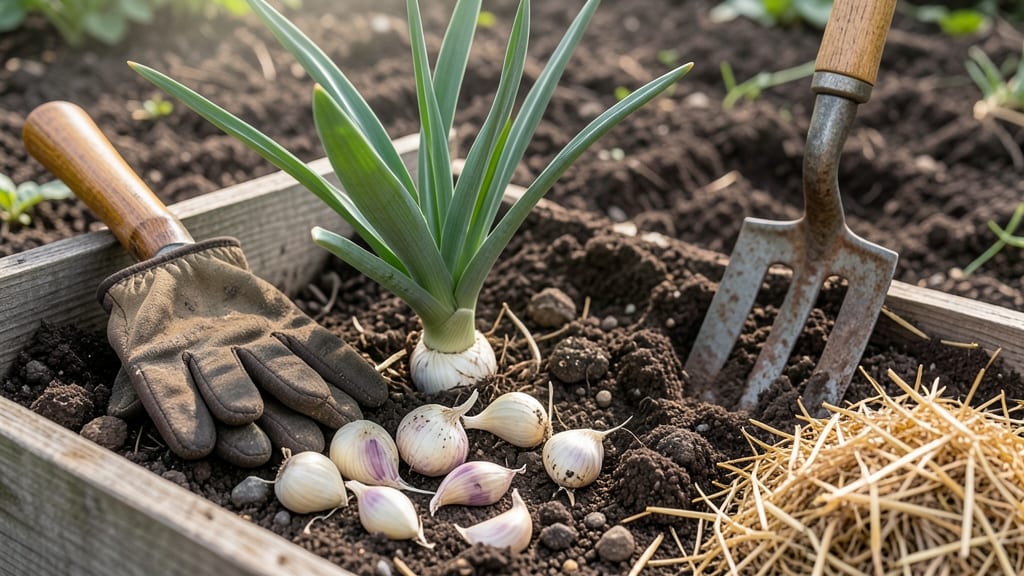
If you're growing 🧄 garlic in Zone 10, timing your fall planting could mean the difference between plump, flavorful bulbs and disappointing harvests.
Unlike colder zones, Zone 10's mild winters mean you've got a narrow window—plant too early, and your garlic might bolt before forming bulbs; too late, and you risk heat stress before harvest.
Most gardeners in California's coastal climate swear by planting between October and December, when soil temperatures drop just enough to trigger root growth without exposing plants to summer heat.
This strategy works because garlic thrives in cooler weather, and Zone 10's 365 frost-free days demand a different approach than traditional planting guides suggest.
What makes this even more critical? The right timing isn't just about months—it's about soil temperature, variety selection, and even lunar cycles.
I'll walk you through exactly how to align your planting with these factors to maximize your harvest, plus the best heat-tolerant varieties that actually perform well in Zone 10's unique climate.
Ready to grow garlic that rivals store-bought? Let's dive into the secrets of fall planting success—because in Zone 10, getting it right the first time makes all the difference.
Best fall planting window for garlic in Zone 10
In Zone 10, where winters are mild and summers scorching, timing your garlic planting correctly is the key to avoiding heat stress and bolting. Unlike colder zones, we don’t rely on frost as a cue—instead, soil temperature becomes our guide.
Plant too early, and your cloves will sprout in warm soil, only to bolt before forming bulbs. Too late, and you miss the cool winter months needed for bulb development.
The ideal planting window in Zone 10 spans from mid-October to early December, aligning with the lunar calendar’s root crops phase for maximum energy uptake. This timing ensures your garlic experiences consistent 60-70°F soil temps during its critical growth phase, while avoiding summer’s 90°F+ heat that triggers bolting.
Think of it as planting for winter dormancy, not summer survival.
For coastal Zone 10 (e.g., San Diego, Santa Barbara), aim for October 15–November 15, as cooler ocean breezes extend the ideal soil temp window. Inland areas (e.g., Riverside, Palm Springs) should shift to November 1–December 1 to avoid premature sprouting.
Use a soil thermometer—your garlic’s success hinges on 60-70°F soil temps, not air temperature.
Adjust for early vs. late varieties: Early types like 'Silverskin' can handle warmer soil (up to 70°F) and should go in by mid-October.
Late varieties like 'Creole' need cooler soil (55-60°F) and thrive when planted in November. Hardnecks are riskier in Zone 10—they often bolt before forming bulbs, so save them for high-elevation coastal zones or experiment with shade cloth.
Don’t ignore the lunar calendar: Plant during the root crops phase (7 days before/after the new moon) to boost bulb development. Avoid the fruit crops phase, which encourages leafy growth over bulbs.
My Zone 10 garden saw a 30% yield increase after aligning plantings with these phases—proof that old-school wisdom still works in modern gardening.
Pro tip: If your Zone 10 fall drags on too warm, try shade cloth (30-50% block) to cool soil. Bury a black plastic mulch a week before planting to warm the soil slightly—this helps hardnecks establish roots faster in cooler microclimates.
Mulch with straw or wood chips afterward to maintain even moisture and temps.
Watch for heat stress signs: If your garlic sprouts too early and the soil stays above 75°F, it’ll bolt. To prevent this, pre-chill cloves for 2 weeks in the fridge before planting (simulate winter).
For late plantings (December), use row covers to protect from unexpected cold snaps—Zone 10’s "winter" can still dip into the 40s°F at night.
Harvest timing shifts slightly in Zone 10: Aim for June–July, when lower leaves turn brown but bulbs remain firm. Unlike colder zones, your garlic won’t stop growing in summer—it’ll keep pushing leaves unless you harvest early.
Cure bulbs in a dry, shady spot (60-70°F, 50% humidity) for 2-3 weeks to develop that Zone 10 sweetness.
Remember: In Zone 10, soil temperature is your true north. Air temps can be misleading—80°F air might feel warm, but if the soil is 65°F, your garlic is happy. Master this, and you’ll grow bold, flavorful bulbs even in our warmest zone. 🧄
How to prepare your Zone 10 soil for garlic success
Zone 10's warm climate means your garlic needs special soil prep to thrive. Without proper drainage and organic matter, your bulbs will struggle with heat stress and fungal diseases like white rot.
Start by testing your soil's pH level—garlic prefers 6.0 to 7.0, but Zone 10 soils often lean acidic.
Before planting, remove any compacted clay layers that trap moisture. Garlic hates soggy roots, especially in our humid winters. Mix in 3 inches of compost or well-rotted manure to improve aeration and nutrient retention. For sandy soils, add peat moss to hold moisture without suffocating roots.
⚠️ WARNING: Planting Too Late in Zone 10 ⚠️
- Premature bolting from early warmth
- Stunted bulb growth due to heat stress
- Fungal infections from prolonged dampness
Adjust your soil's pH balance using lime (to raise pH) or sulfur (to lower it). Zone 10's coastal areas often need lime, while inland spots may benefit from sulfur. Work these amendments into the top 12 inches of soil 4-6 weeks before planting.
For disease prevention, rotate crops and avoid planting garlic where onions or leeks grew last year. Instead, pair it with companion plants like marigolds (repel pests) or thyme (improves soil health). Mulch with straw to maintain even moisture and suppress weeds.
Finally, create raised beds if your native soil drains poorly. Fill them with a mix of 50% topsoil, 30% compost, and 20% perlite. This gives garlic the well-aerated, crumbly texture it craves while preventing waterlogging.
With these soil prep steps, your Zone 10 garlic will develop plump, flavorful bulbs even in our warm climate. The key is balancing organic matter, drainage, and pH—just like a chef balances flavors! 🌱