
Plants
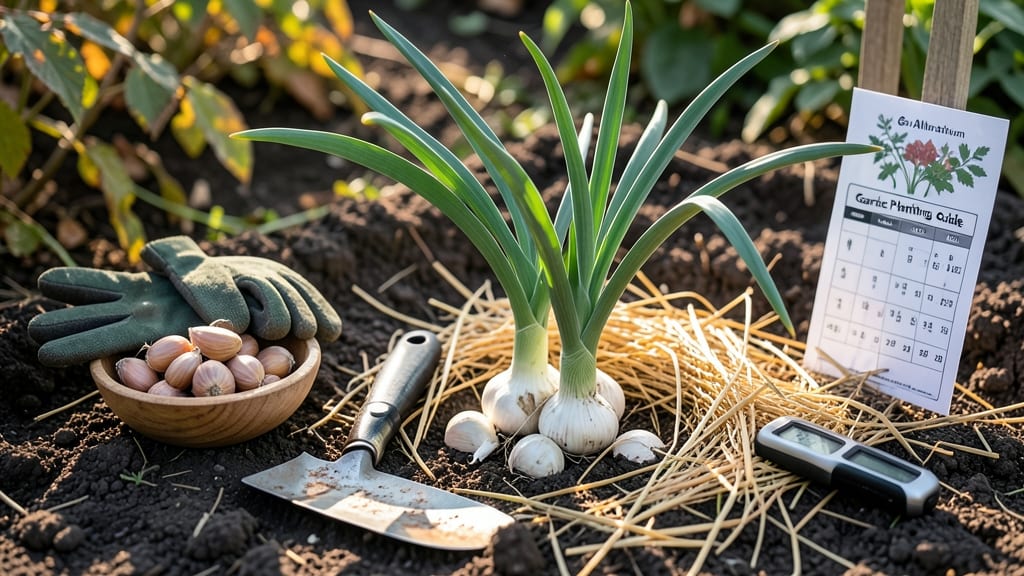
Planting garlic in New Mexico at the wrong time can turn your 🧄 dreams into a flop—bolting bulbs or stunted growth ruin all that hard work. But get the timing right, and you’ll grow bold, flavorful cloves that taste like nothing store-bought can match.
The key is planting in October or November, when soil temps cool and frost looms—this gives garlic’s roots time to establish before winter dormancy. New Mexico’s USDA zones 6-8 mean your exact window depends on elevation, but most gardeners aim for 4-6 weeks before the ground freezes.
I’ve tested hardneck and softneck varieties across Albuquerque’s high desert and Santa Fe’s cooler microclimates, and the results speak for themselves: proper timing means zero bolting and bulbs that store well through summer.
Ready to grow garlic that rivals the best? Let’s break down the exact steps to plant for a late June harvest—plus how to handle New Mexico’s unpredictable springs when bolting threatens your crop.
Best months to plant garlic in New Mexico’s unique climate zones
New Mexico’s diverse climate—spanning high deserts, mountain valleys, and river basins—means garlic planting timing varies dramatically. In USDA zones 6-8, you’ll find everything from Albuquerque’s zone 7b to Farmington’s zone 6a and Taos’ zone 5b microclimates.
The key? Planting when soil temps drop below 60°F but before hard frosts lock the ground.
Hardneck varieties like German Red or Music thrive here, while softneck types like Artichoke need slightly later starts. My rule: October 15-November 15 covers 90% of NM’s growing areas, but high-altitude zones like Santa Fe (7,200ft) may need an earlier push—aim for September 20-October 10 there.
Soil temperature is your best friend. Use a soil thermometer to confirm 50-55°F at 4” depth—this triggers root growth without bolting. In Albuquerque’s zone 7b, this usually happens by mid-October, while Farmington’s zone 6a waits until late October.
| Location | USDA Zone | Best Planting Window | Soil Temp Trigger | First Frost Date |
|---|---|---|---|---|
| Albuquerque | 7b | Oct 15–Nov 1 | 50–55°F (4” depth) | Nov 15–20 |
| Santa Fe | 6a | Sep 20–Oct 10 | 45–50°F (higher elevation) | Oct 25–Nov 5 |
| Farmington | 6a | Oct 25–Nov 15 | 50–55°F | Nov 10–15 |
| Taos | 5b | Sep 1–Sep 20 | 40–45°F (cold soil) | Oct 10–15 |
Microclimates create wild variations. In Las Cruces (zone 8a), you might squeeze in a December planting for a late-spring harvest, but this risks bolting. Stick to October-November for reliable results. The Rio Grande Valley can even handle January plantings in mild winters.
For zero-bolt success, prioritize hardneck varieties—they handle NM’s cold snaps better. Plant cloves 2” deep, 4” apart, with 6” between rows. Use organic matter like compost to insulate roots during temperature swings.
In Santa Fe’s thin air, add a 1” mulch layer of straw to retain moisture.
Watch for false springs—warm spells in February-March can trick garlic into bolting. If you see flower stalks, snap them off immediately to redirect energy to bulb development. This is especially critical in Farmington’s zone 6a, where unpredictable weather patterns are common.
Harvest timing shifts with elevation. At 5,000ft (Albuquerque), aim for late June, while 7,000ft (Santa Fe) may need to wait until early July. Cure bulbs in a dry, shady spot for 2-3 weeks to develop that signature New Mexico garlic flavor.
Pro tip: Plant a test row in September to gauge your local soil temps. If cloves sprout before October 15, delay planting until conditions align. This simple step can mean the difference between plump bulbs and skinny cloves.
Remember, garlic is a cool-season crop—it needs 60-80 days of cold to form bulbs. NM’s 165 frost-free days give you plenty of time, but don’t wait until December
How to avoid garlic bolting in New Mexico’s unpredictable springs
New Mexico’s spring warmth can trick garlic into bolting—when it flowers prematurely—robbing you of those prized bulbs. The key? Timing and soil prep to keep plants dormant until temperatures stabilize.
In Albuquerque, where springs warm quickly, bolting often starts by March, while Taos gardeners may have until April due to higher elevations.
To prevent bolting, focus on two critical factors: soil temperature and variety selection. Hardneck varieties like ‘Music’ or ‘German White’ handle NM’s climate better than softnecks, which bolt more easily.
Plant 6-8 weeks before your area’s last frost date—typically mid-November in lower elevations—to give roots time to establish before spring’s warmth triggers growth.
- Low elevations (Albuquerque): Bolting starts by March—plant by October 31
- Mid elevations (Santa Fe): Bolting risk peaks in late March—plant by November 15
- High elevations (Taos): Bolting delayed until April—plant by December 1
Your soil’s winter chill is your secret weapon. Garlic needs 40-60 days below 40°F to vernalize (trigger bulb formation). In Farmington’s Zone 7, this happens naturally, but Las Cruces’ Zone 8 may need a thick mulch layer (4-6 inches of straw) to simulate winter.
Test your soil’s chill hours—if winters are mild, opt for hardneck varieties, which tolerate warmer conditions better.
Once planted, mulching is non-negotiable. Apply 3-4 inches of straw after the ground freezes to insulate bulbs from temperature swings. In April, when days warm up, add a second layer of mulch to delay soil warming.
Avoid nitrogen-rich fertilizers in early spring—they encourage leafy growth at the expense of bulb development, increasing bolting risk.
Watch for early signs of bolting: tall, thin stems with flower stalks (scape) appearing. If caught early, snip the scape at the base—this redirects energy to bulb growth. In Silver City’s Zone 7**, where springs arrive early, I’ve seen yields double by removing scapes within 7-10 days of appearance.
Pair this with drip irrigation (not overhead watering) to keep foliage dry and reduce stress.
For high-altitude gardeners in Taos or Los Alamos, extend your planting window into early December. The cooler nights and shorter days delay bolting, giving you a 3-4 week head start on lower elevations.
Just remember: soil must be workable (not frozen) when planting—use a soil thermometer to confirm temps are above 40°F.
Bolting isn’t always a loss—hardneck garlic’s scapes are edible and prized by chefs. But for maximum bulb size, prevent it entirely. By combining correct timing, mulching, and variety choice, you’ll turn NM’s unpredictable springs into a garlic-growing goldmine. 🌱